- BIST10011,709-0.75%
- USD49.58+0.05%
- EUR55.62+0.09%
- GOLD4,141.00-0.04%
- INTEREST37.00%-1.00
- BITCOIN83,257+0.38%
- October 21, 202619°
- BIST10011,709-0.75%
- USD49.58+0.05%
- EUR55.62+0.09%
- GOLD4,141.00-0.04%
- INTEREST37.00%-1.00
- BITCOIN83,257+0.38%
- October 21, 202619°
Fergani's sixth Turkish-built satellite FRG-100D4 reaches orbit
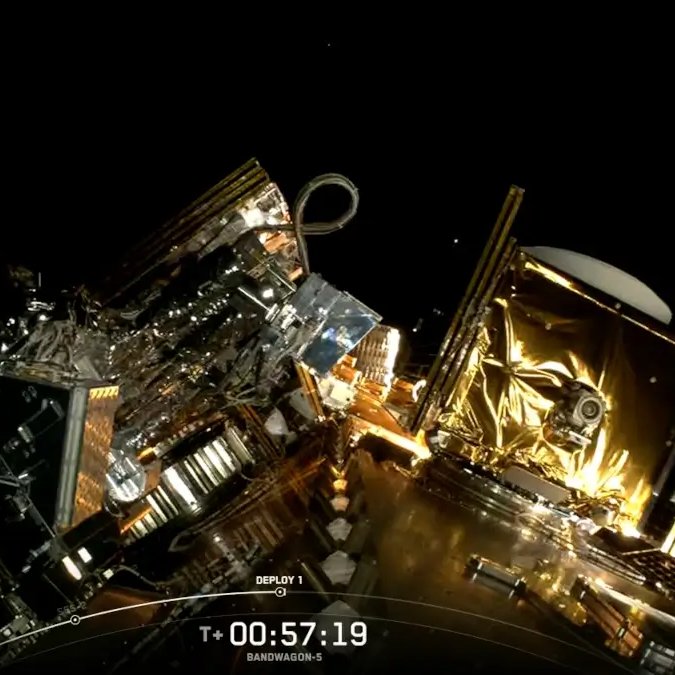
FRG-100D4, the sixth test satellite developed by Fergani Space entirely with domestic capabilities, launched from the United States on SpaceX's Bandwagon-5 mission and settled into its 590-kilometer orbit.
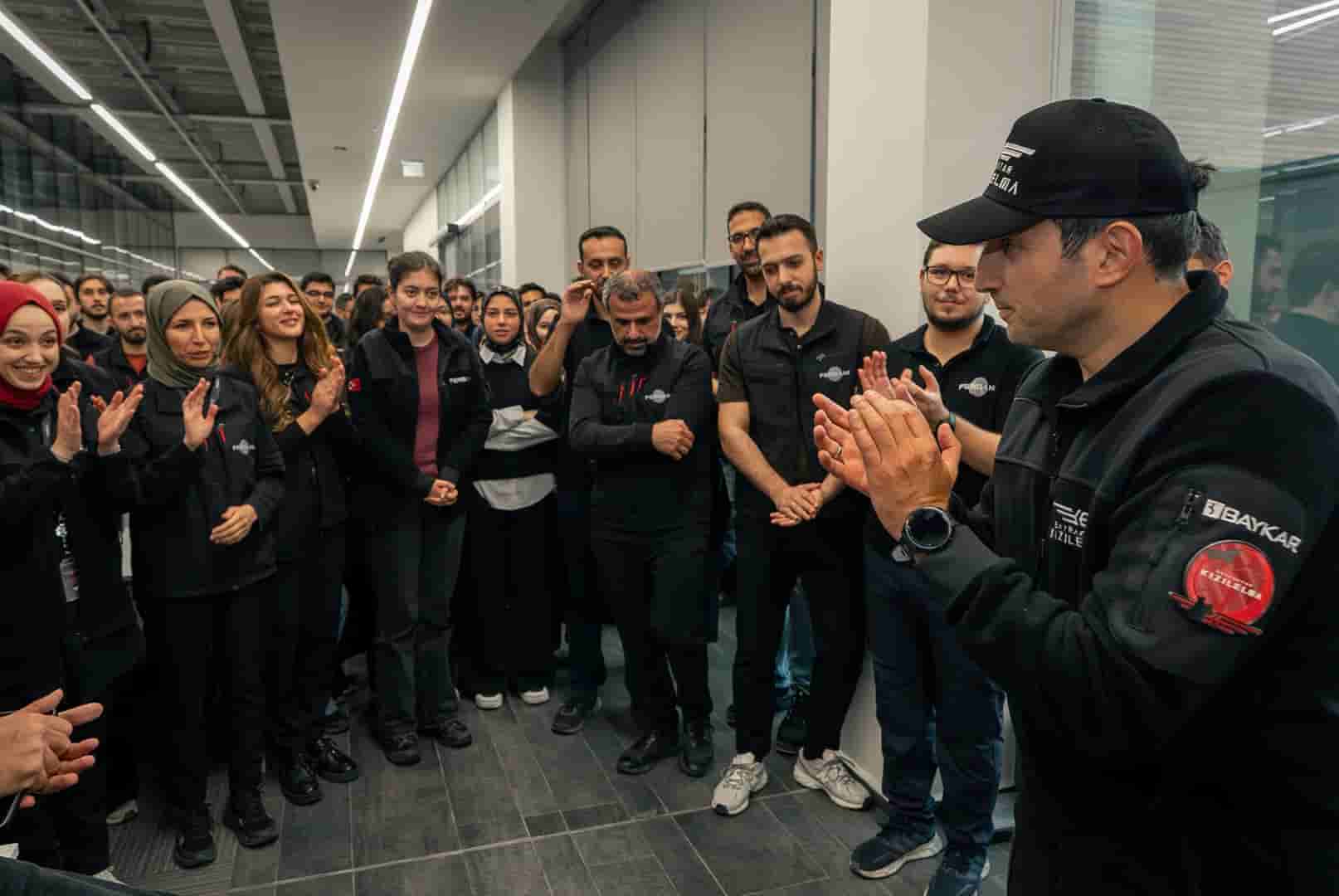
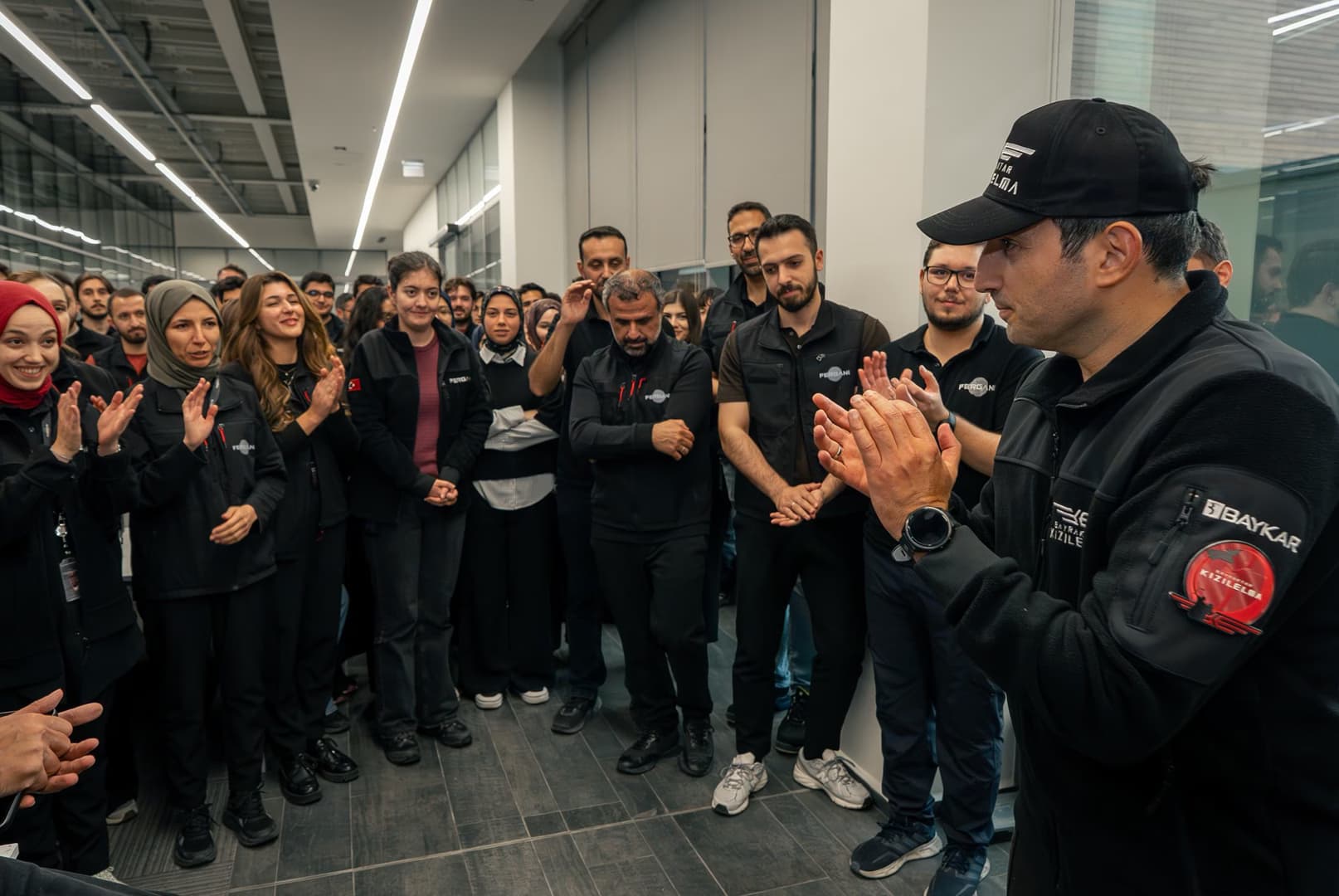
FRG-100D4, the sixth test satellite developed by Fergani Space, was launched on Oct. 20 from Cape Canaveral Space Force Station in the United States on SpaceX's Bandwagon-5 mission. The satellite separated from the rocket about 63 minutes after liftoff and settled into its target orbit at an altitude of 590 kilometers.
Baykar chairman Selçuk Bayraktar announced that the satellite, which carries communication and navigation payloads, had successfully reached orbit, adding: "May it bring good fortune."
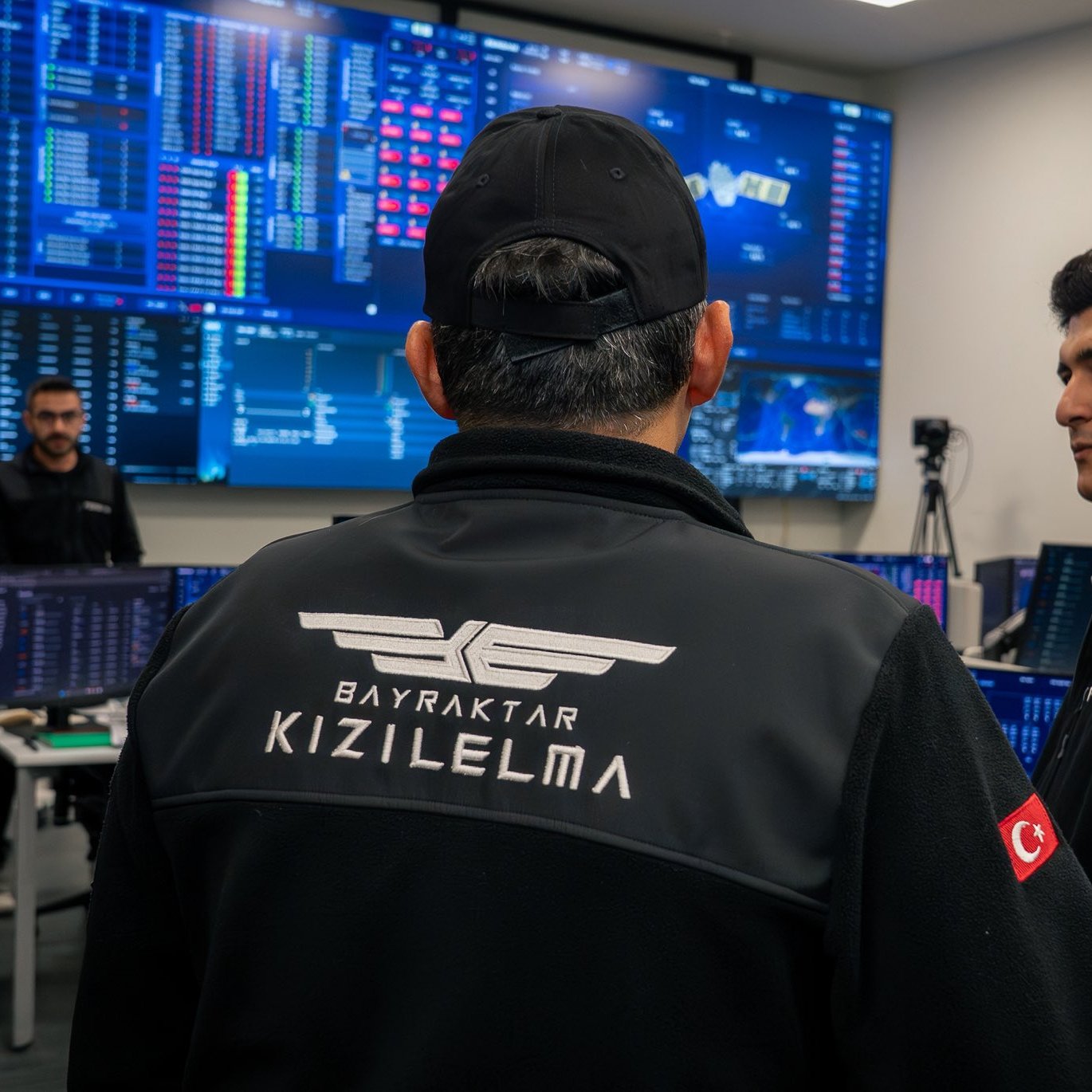
Critical components built in-house
According to Baykar, the 160-kilogram satellite, equipped with communication and navigation capabilities, features significant technological advances over Fergani's earlier satellites. It uses critical components developed at Fergani, including reaction wheels, magnetic torque rods, a magnetometer, an IMU, a GNSS receiver, steerable solar panels, a battery pack, a regenerative modem and a phased-array antenna.
The satellite also carries an AI-supported computer for advanced missions. Validating avionics developed by Fergani engineers in space is important for Türkiye's independence in space technologies, the company said.
Goal: the Uluğ Bey constellation
FRG-100D4 is seen as an important step toward Fergani's Uluğ Bey satellite constellation. Baykar CEO Haluk Bayraktar has said the system is planned to comprise more than 200 satellites within the next five years.
Have a story, event or announcement of your own?Send us your news on WhatsApp
Spotted an error in this story?Report it on WhatsApp
Share on all social platforms
Sponsored Ads
Featured Listings
Loading featured properties...
Stay Updated with The Turkiye Times
Subscribe to be informed about special news, developments and announcements. We will keep you informed.
By signing up, you agree to our Privacy Policy