- BIST10011,478+4.71%
- USD50.00+0.05%
- EUR55.95-0.09%
- GOLD4,075.70+3.43%
- INTEREST36.00%-1.00
- BITCOIN80,048+3.50%
- November 5, 202613°
- BIST10011,478+4.71%
- USD50.00+0.05%
- EUR55.95-0.09%
- GOLD4,075.70+3.43%
- INTEREST36.00%-1.00
- BITCOIN80,048+3.50%
- November 5, 202613°
Forensic report finds no assault or poisoning in Kaşif Kozinoğlu's death
The Forensic Medicine Institute's First Specialized Board has completed its report in the reopened investigation into the death of former National Intelligence Organization (MIT) official Kaşif Kozinoğlu while he was imprisoned in Silivri in 2011. The report said there was no medical evidence of trauma or poisoning and that he died from heart disease.


The Forensic Medicine Institute's First Specialized Board sent its report to the Silivri Chief Public Prosecutor's Office as part of the reopened investigation into the death of former National Intelligence Organization (MIT) official Kaşif Kozinoğlu while he was imprisoned in Silivri. DHA reported that the report found no medical evidence that Kozinoğlu died as a result of trauma or poisoning, and said the available evidence indicated that his death resulted from heart disease.
The report also said that the isosorbide dinitrate medication given to Kozinoğlu when he began experiencing chest pain had no effect on or contribution to his death.
Samples taken from the grave were examined
The Chief Public Prosecutor's Office had requested the Forensic Medicine Institute's opinion to determine whether the death resulted from natural causes or the intervention of third parties, as well as to establish the exact cause and time of death. As part of the investigation, Kozinoğlu's grave in Istanbul's Ümraniye district was opened on September 12 under a court order for exhumation, and the samples taken were subjected to chemical, physical and toxicological examinations.
According to details of the report published by Hürriyet, the samples contained no narcotics, stimulants, active pharmaceutical ingredients, insecticide or rodent poison, and radioactivity was not above natural levels. The report said the fractures observed in the bones resulted from postmortem deterioration, resuscitation and autopsy procedures, and that there were no significant signs of trauma. It recorded that the antimony level in the nail sample was higher than in the other samples, but found no signs in the skin, lungs, liver, kidneys or heart indicating prolonged antimony exposure, nor any finding suggesting poisoning shortly before death.
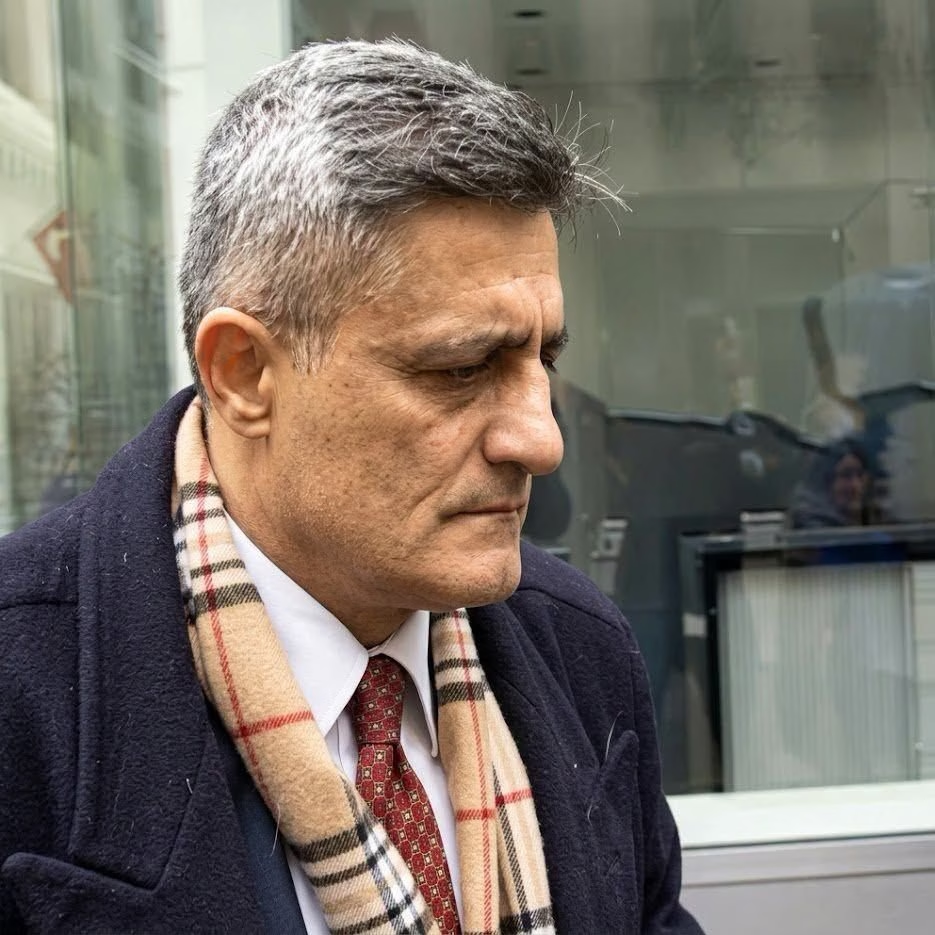
Heart disease had also been detected in the 2011 autopsy
Kozinoğlu died on November 12, 2011, while being transferred from Silivri No. 1 Prison to Silivri State Hospital. An autopsy conducted the following day found an increased heart weight, ulcerated atheromatous plaques in the aorta and constricting plaques in the vessels supplying the heart. A February 10, 2012 report by the Forensic Medicine Institute stated that the cause of death was cardiovascular disease. Allegations of delayed medical intervention and poisoning remained in the public spotlight for years.
Kozinoğlu graduated from the Turkish Military Academy in 1976 and joined MIT after serving in intelligence roles with the Special Forces Command. He served in Central Asia, Syria, Bosnia and Herzegovina, and Afghanistan. Kozinoğlu was serving abroad when an arrest warrant was issued for him as part of the Ergenekon investigation; he returned to Türkiye and was arrested.
Two former prosecutors had been arrested in the investigation
The case was reopened after the Silivri Criminal Judgeship of Peace lifted the decision of non-prosecution in a ruling dated August 26, 2026, following work by the Justice Ministry unit reviewing unsolved case files. According to information reported by the media, numerous people were detained in September as part of the investigation. Ali İşgören, the Silivri Chief Public Prosecutor at the time, and prison prosecutor Necip Doğan were arrested, while Kozinoğlu's cellmates were released under house arrest. Enver Altaylı, who was serving a sentence in another case, was also arrested on charges of instigating intentional murder. The investigation is ongoing.
Photos: Wikimedia Commons (archive), social media
Have a story, event or announcement of your own?Send us your news on WhatsApp
Spotted an error in this story?Report it on WhatsApp
Share on all social platforms
Sponsored Ads
Featured Listings
Loading featured properties...
Stay Updated with The Turkiye Times
Subscribe to be informed about special news, developments and announcements. We will keep you informed.
By signing up, you agree to our Privacy Policy