- BIST10012,219-0.26%
- USD49.37+0.07%
- EUR55.21+0.01%
- GOLD4,162.00-0.37%
- INTEREST37.00%-1.00
- BITCOIN83,337+0.29%
- October 14, 202619°
- BIST10012,219-0.26%
- USD49.37+0.07%
- EUR55.21+0.01%
- GOLD4,162.00-0.37%
- INTEREST37.00%-1.00
- BITCOIN83,337+0.29%
- October 14, 202619°
German Chancellor Merz reshuffles cabinet, far-right worries persist
German Chancellor Friedrich Merz continues to consolidate power through a cabinet reshuffle in July 2026, as the rise of the far-right AfD remains the coalition's greatest challenge.


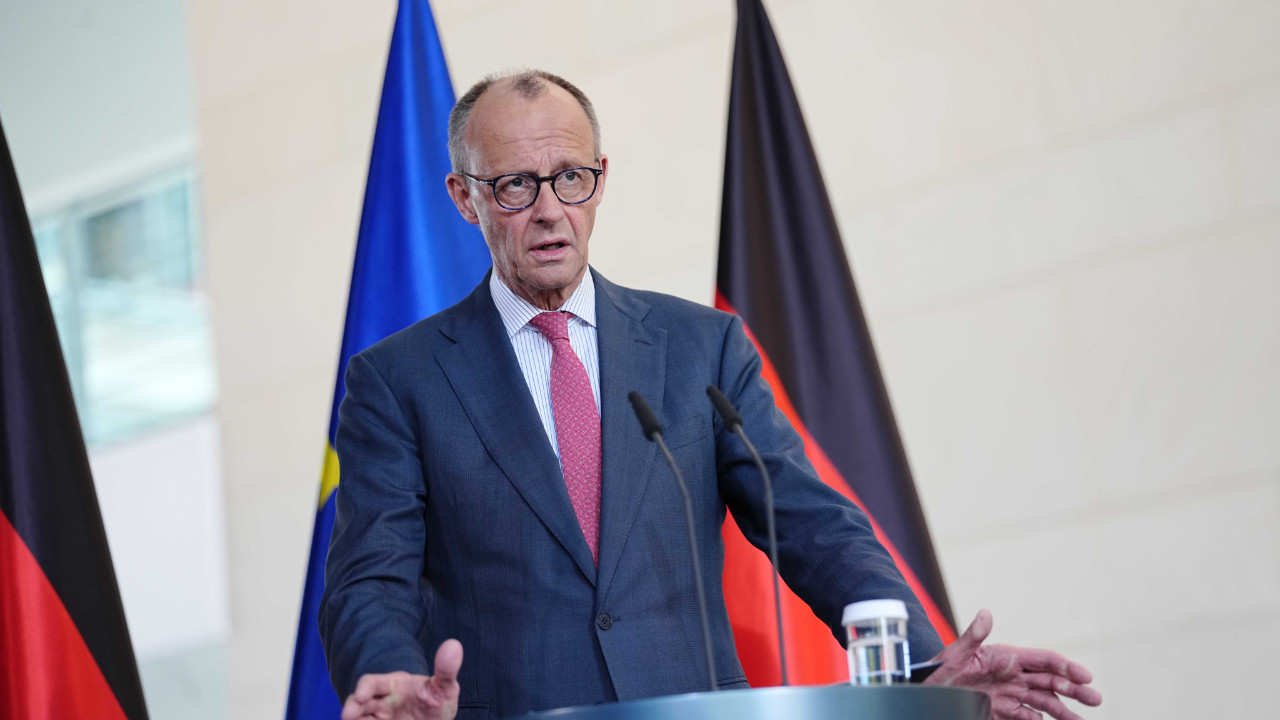
German Chancellor Friedrich Merz has carried out a critical cabinet reshuffle midway through his government's first year. The changes, made at a time of growing dissatisfaction with the performance of the CDU/CSU and SPD coalition and rising support for the far-right Alternative for Germany (AfD), demonstrate Merz's determination to seize the initiative.
Key figures swap roles in cabinet
The reshuffle was triggered by public controversy over CDU/CSU parliamentary group leader Jens Spahn's decision to have a child via surrogacy in his same-sex marriage. Under pressure from Merz, Spahn stepped down and was replaced by Thorsten Frei, while Health Minister Nina Warken was appointed head of the Chancellery. The vacant health portfolio was taken over by CDU General Secretary Carsten Linnemann.
These moves were seen as a strategy by Merz to both consolidate party loyalty and entrust the power engineering at the heart of government to his closest associates. Frei's leadership of the parliamentary group shields the Chancellor from potential internal party opposition, while Warken's new role places a long-time collaborator from the opposition years in a key position in the Chancellery.
Emphasis on reform and defence
In a speech titled 'The centre delivers' to the Bundestag on 9 July, Merz stressed his government's capacity to deliver. Buoyed by the NATO summit in Ankara, he announced the acquisition of Tomahawk cruise missiles with a range of 2,500 kilometres to close a strategic gap in Germany's defence, and that ThyssenKrupp Marine Systems had won Canada's tender for 12 submarines.
The Chancellor also highlighted domestic policy steps such as pension system reform and the work of a 'deregulation cabinet' aimed at cutting red tape. In particular, removing bureaucratic hurdles by reversing the burden of proof in payment transactions was central to the plan to improve the investment climate.
AfD's rise remains an unresolved problem
Despite all the government's reform efforts, polls show support for the AfD has risen by 8 percent at both federal and state level. The possibility of an AfD candidate being elected in the Saxony-Anhalt state elections in September 2026 is being described as a 'political earthquake' in Germany.
The government, which Merz describes as a 'learning system', cannot escape the agenda set by the AfD. The failure so far to develop a strategy to expose the party's contradictions in economic policy and its pro-Russian foreign policy stance is seen as the coalition's biggest dilemma.
While the National Security Council's failure to become an effective coordination mechanism continues to draw criticism, Merz pointed to the significance of establishing such a body within four months after 30 years of debate. In his mid-year assessment, the Chancellor praised coalition partner SPD but also acknowledged unfinished projects; while his international manoeuvres strengthen Germany's hand, the rumblings of a domestic political earthquake are growing louder.
Stay Updated with The Turkiye Times
Subscribe to be informed about special news, developments and announcements. We will keep you informed.
By signing up, you agree to our Privacy Policy