- BIST10012,222-0.36%
- USD49.34+0.24%
- EUR55.21-0.01%
- GOLD4,207.80+0.41%
- INTEREST37.00%-1.00
- BITCOIN83,201+1.77%
- October 13, 202618°
- BIST10012,222-0.36%
- USD49.34+0.24%
- EUR55.21-0.01%
- GOLD4,207.80+0.41%
- INTEREST37.00%-1.00
- BITCOIN83,201+1.77%
- October 13, 202618°
Gulf states seek to diversify security partnerships after Iran war
The US-Israeli war on Iran is pushing Gulf countries to reduce their security dependence on Washington and deepen ties with new partners such as Turkey, China, and Pakistan.


In the aftermath of the US-Israeli war on Iran, Gulf countries are accelerating their quest to diversify security partnerships. Analysts note that the Gulf Cooperation Council (GCC) states, which have faced Iranian attacks, are signaling a move away from a Washington-centric security architecture amid uncertainty.
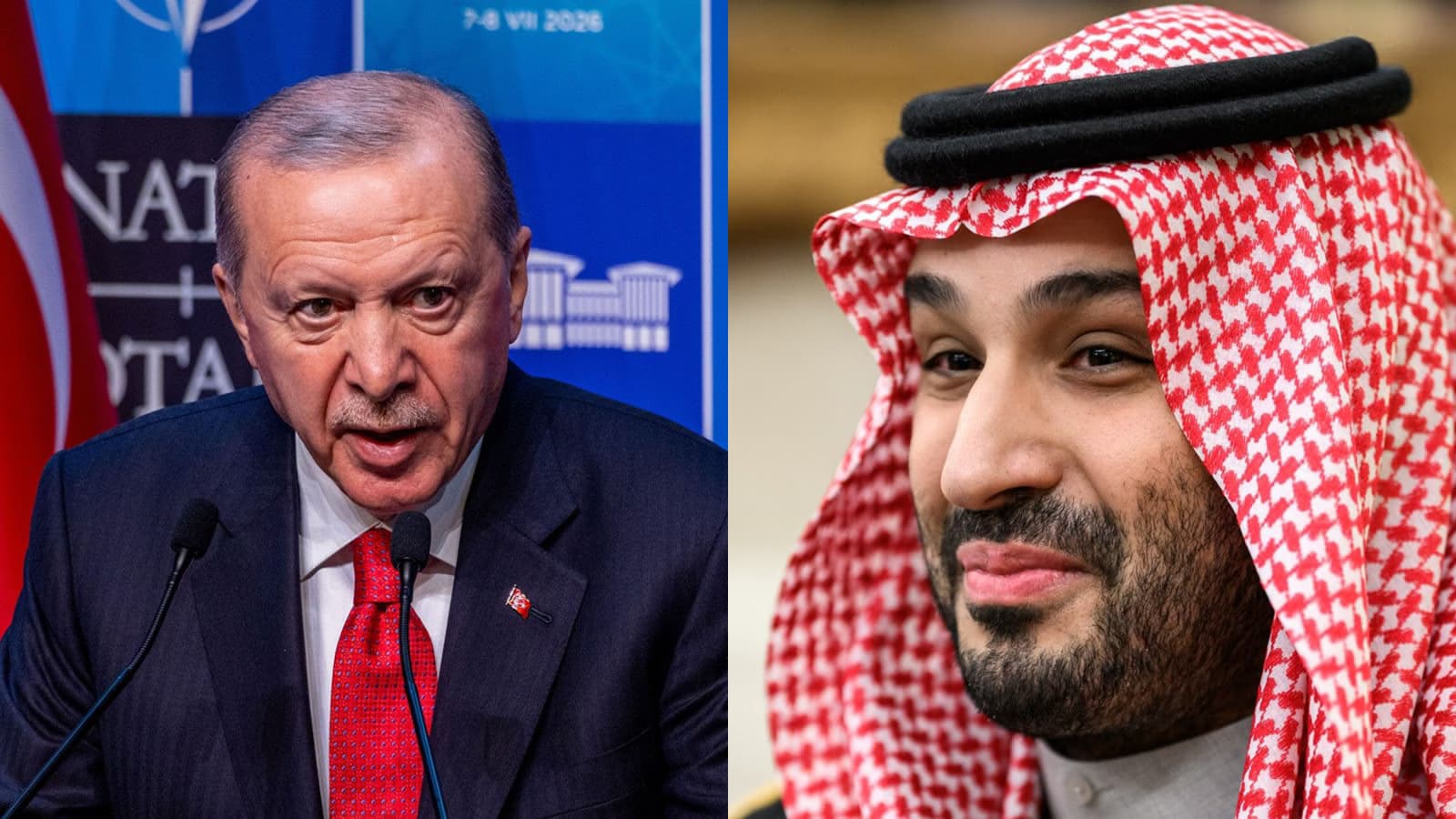
Anna Jacobs Khalaf, a non-resident fellow at the Arab Gulf States Institute, stressed that the search for new security partners does not aim to replace the US. "For countries like Saudi Arabia, the focus is on the regional balance of power and pushing back both Iran and Israel," Jacobs Khalaf said, noting the emergence of platforms like the quadrilateral grouping of Saudi Arabia, Turkey, Egypt, and Pakistan, as well as countries developing their own defense capabilities.
Iranian attacks shift risk perceptions
During the war that began on February 28, Iranian attacks targeted bases housing US troops as well as civilian sites like airports, energy facilities, and hotels in some Gulf states. Although Tehran and Washington signed a memorandum of understanding early this month ending the war, the army led by Iran's Revolutionary Guards carried out missile and drone attacks on targets in Bahrain and Kuwait.
Jacobs Khalaf said the US and Israeli decision to strike Iran and Tehran's retaliation against the Arabian Peninsula created an "unprecedented security crisis" for GCC members, including the potential closure of the Strait of Hormuz. "The Iran war is leading some Gulf states to question the US as a security guarantor," she added.
Annelle Sheline, a research fellow at the Quincy Institute for Responsible Statecraft, also noted that GCC states would move to diversify security alliances and deepen ties with China, Turkey, and Europe. Sheline said US forces proved "unreliable" in stopping Iranian attacks, and "in fact, the US military presence in Gulf countries had the opposite of a deterrent effect, turning those bases into targets."
Economic ties with Iran grow stronger
Despite anger over the Iranian attacks, Gulf states kept communication channels open with Tehran, including at the security level. Some experts suggest that investment may provide more effective deterrence than weapons. Sheline said that if Gulf and Iranian economic interests become intertwined, Tehran would think twice before striking the region.
US Vice President JD Vance pointed to this strategy in an interview with UnHerd, saying, "Even the UAE, by far the most hawkish, most pro-Israel GCC country, is holding talks with the Iranians, including the Revolutionary Guards, of a kind that have never happened before."
The Israel factor and the US position
Many Gulf states also view Israel's expansionist policies and military campaigns as a threat. Last year, Israel bombed the Qatari capital Doha, targeting Hamas leaders during US-backed Gaza ceasefire mediation. US President Donald Trump said he was "not happy at all" about attacks on Qatar, indicating he did not approve.
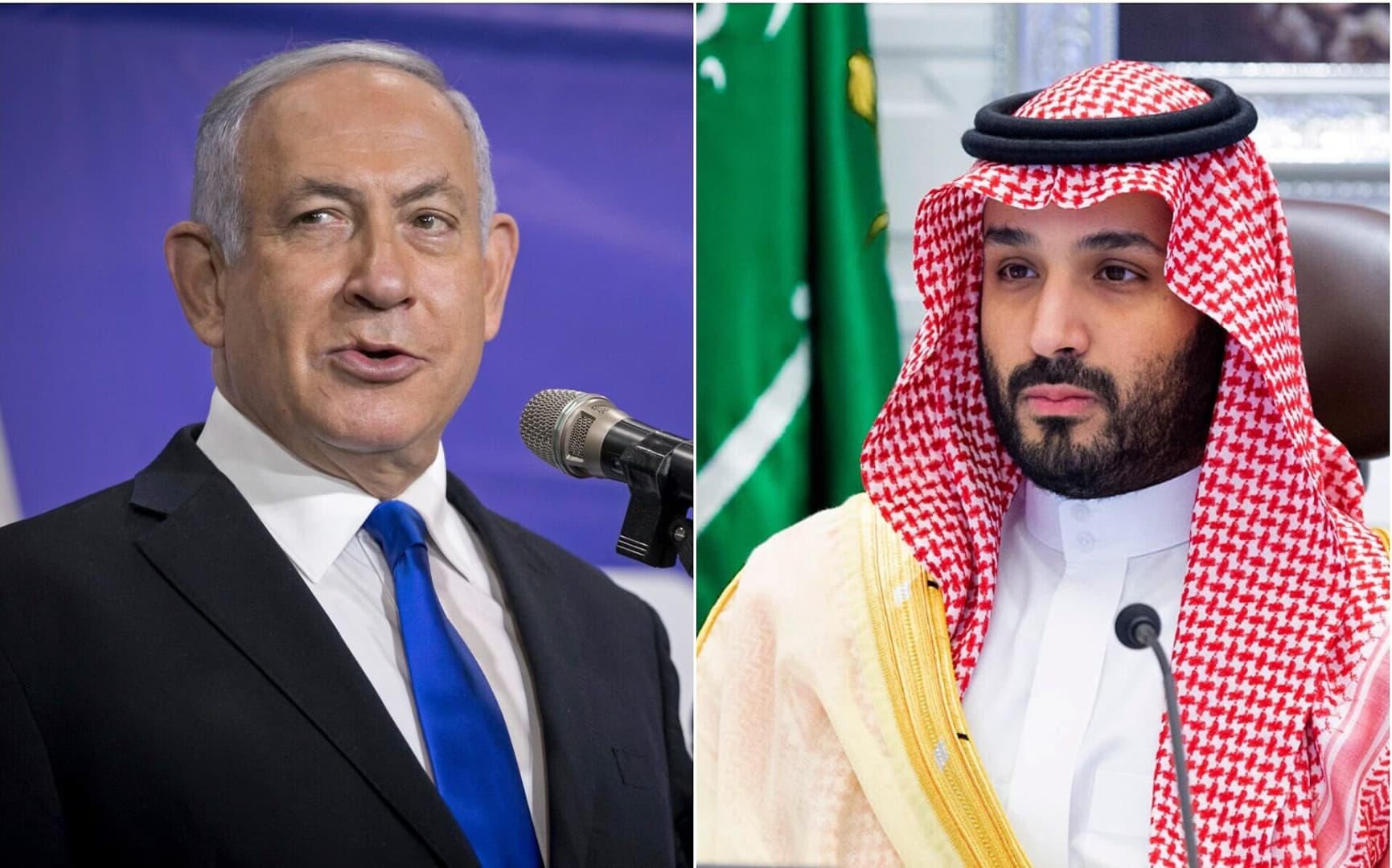
Sheline said that if the ceasefire agreement evolves into a comprehensive reconciliation with Iran, the US could finally withdraw from the Middle East, but Israel might keep tensions alive to drag Washington back into conflict. "The biggest question mark is Israel," Sheline said, adding that if the US pressures Israel to prevent the Netanyahu government from sabotaging the deal, regional countries could take greater responsibility for their own security.
Jacobs Khalaf said "Many Gulf states feel a huge threat from Israel's increasingly aggressive posture in the region," emphasizing that the destruction Israel has wrought in Gaza since October 7, its expansion of the occupation in Palestinian territories, and its attacks on Lebanon and Syria pose a threat to all Gulf states—including those that have normalized ties with Israel—and are unacceptable.
Stay Updated with The Turkiye Times
Subscribe to be informed about special news, developments and announcements. We will keep you informed.
By signing up, you agree to our Privacy Policy