- BIST10012,259+0.89%
- USD49.34+0.24%
- EUR55.21-0.01%
- GOLD4,208.00+0.42%
- INTEREST37.00%-1.00
- BITCOIN83,263+1.85%
- October 13, 202619°
- BIST10012,259+0.89%
- USD49.34+0.24%
- EUR55.21-0.01%
- GOLD4,208.00+0.42%
- INTEREST37.00%-1.00
- BITCOIN83,263+1.85%
- October 13, 202619°
Hyperbaric oxygen therapy was administered to 17,983 patients in 2025
Hyperbaric oxygen therapy was administered to 17,983 patients in 2025 and 10,093 patients in the first six months of 2026. The therapy is used for many conditions, including decompression sickness, poisoning, burns and various types of wounds.


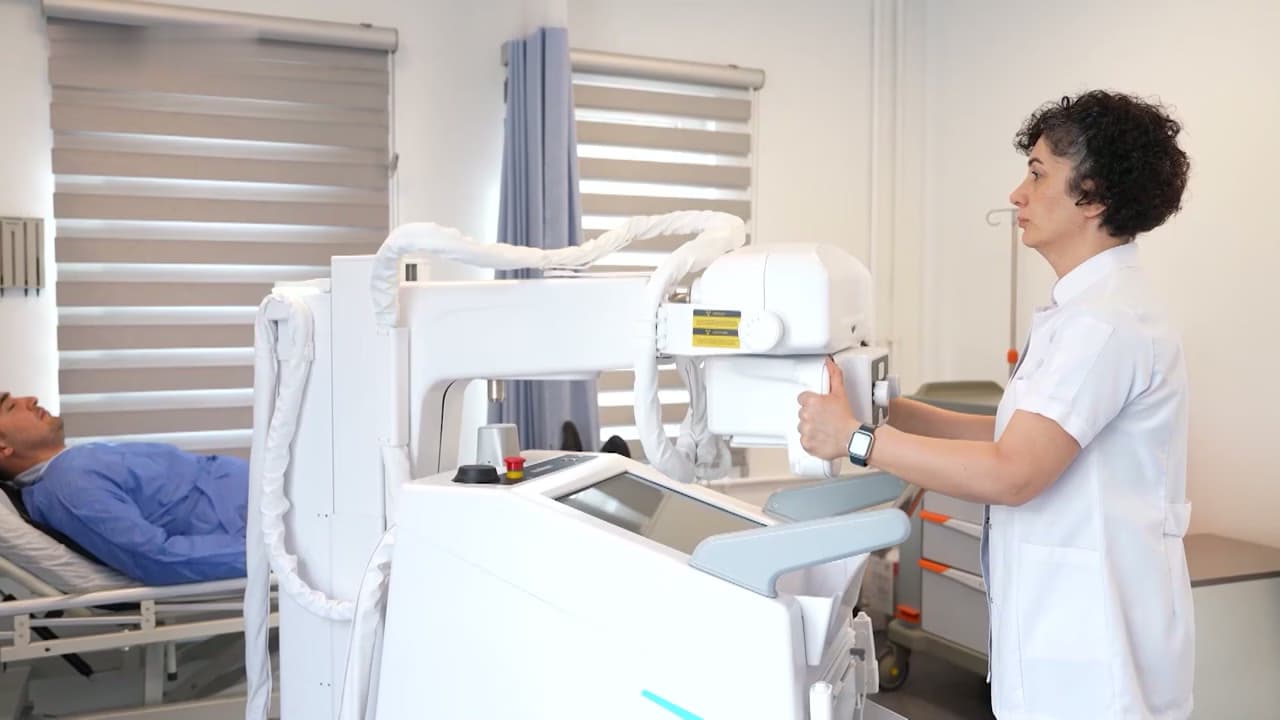
Hyperbaric oxygen therapy involves placing a patient under pressure in a specially designed pressure chamber and having them intermittently breathe 100 percent oxygen. The treatment aims to increase the amount of oxygen reaching tissues and support the healing process.
The therapy is used for numerous diseases and injuries, including decompression sickness, air and gas embolism, carbon monoxide poisoning, gas gangrene, crush injuries, wounds that heal slowly, thermal burns, sudden hearing loss and sudden vision loss.
Used for various types of wounds
Hyperbaric oxygen is also used to treat diabetic wounds, surgical wounds, wounds associated with arterial and venous circulation disorders, and pressure sores. The treatment plan is determined according to the type of disease and the patient's clinical condition.
During the procedure, breathing 100 percent oxygen under high pressure increases the amount of oxygen in the blood. This supports tissues that are not receiving enough oxygen and contributes to wound healing and the fight against infection.
Administered to nearly 18,000 patients in 2025
Hyperbaric oxygen therapy was provided to a total of 17,983 patients at healthcare facilities affiliated with the Ministry of Health in 2025, including 1,790 emergency cases and 16,193 cases covered by other indications. In the first six months of 2026, a total of 10,093 patients benefited from the treatment, including 1,311 emergency cases and 8,782 cases covered by other indications.
Treatment services are provided to patients with appropriate indications by healthcare teams specializing in the field, within the framework of modern medical infrastructure and safe treatment standards. In suitable patients, the treatment can help reduce tissue damage, accelerate recovery and lower the risk of complications.
Stay Updated with The Turkiye Times
Subscribe to be informed about special news, developments and announcements. We will keep you informed.
By signing up, you agree to our Privacy Policy