- BIST10012,151-0.94%
- USD49.220.00%
- EUR55.21+0.28%
- GOLD4,195.70-0.49%
- INTEREST37.00%-1.00
- BITCOIN82,434-1.48%
- October 12, 202619°
- BIST10012,151-0.94%
- USD49.220.00%
- EUR55.21+0.28%
- GOLD4,195.70-0.49%
- INTEREST37.00%-1.00
- BITCOIN82,434-1.48%
- October 12, 202619°
Iğdır harvest yields 5 tons per decare from sorghum-Sudan grass hybrid
The first harvest of a sorghum-Sudan grass hybrid planted across 10 decares in Iğdır’s Oba village yielded approximately 5 tons per decare. The crop, which can be harvested three times a year in suitable climate conditions, is expected to reduce feed costs at livestock farms.


Work is underway in Iğdır to promote alternative crops to forage plants used in livestock farming under the Ministry of Agriculture and Forestry’s General Directorate of Plant Production program, “Enhancing the Effective Use of Agricultural Land.”
As part of the project, producer Şahset Tınakçı, who benefited from the Provincial Directorate of Agriculture and Forestry’s 75 percent seed subsidy, planted a sorghum-Sudan grass hybrid across 10 decares of land in Oba village.
Approximately 5 tons per decare in the first harvest
Tınakçı obtained approximately 5 tons per decare in the first harvest of this year’s planting. The producer expects to obtain a similar amount in the second harvest.
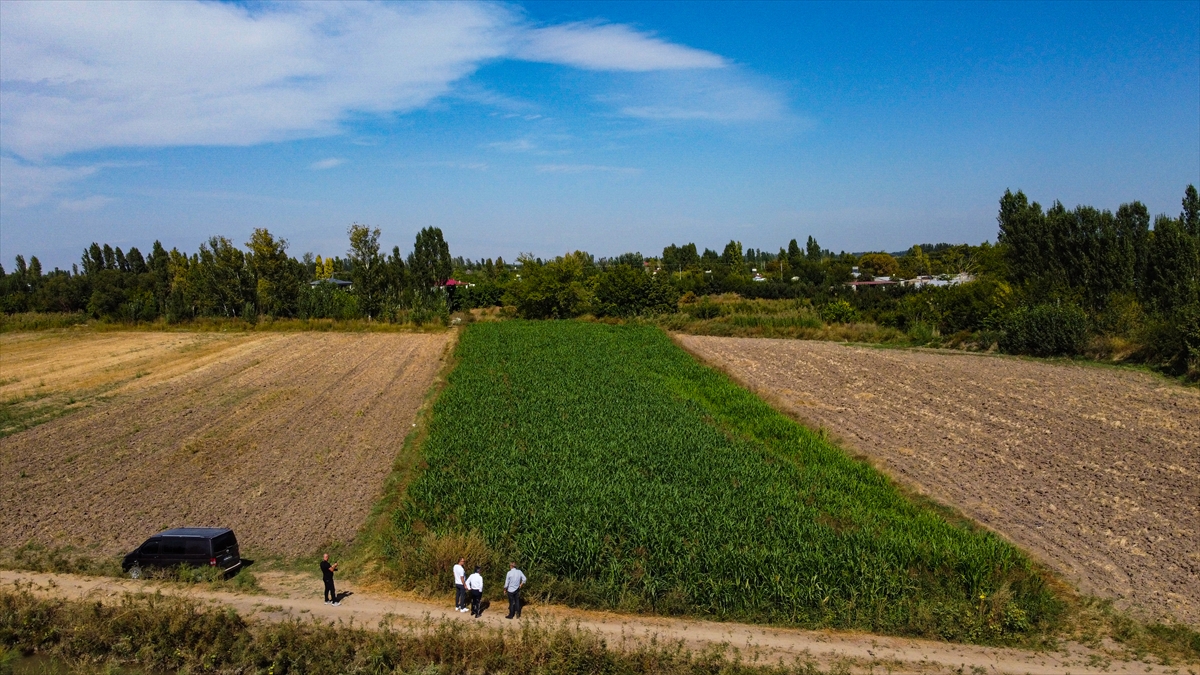
The sorghum-Sudan grass hybrid can be harvested three times a year in suitable climate conditions. With its high yield and low cost, the crop is expected to help reduce feed expenses at livestock farms in the region.
“We plan to promote it across the region”
Serhat Kumtepe, president of the Iğdır Commodity Exchange, said the sorghum-Sudan grass hybrid is a high-yielding and cost-effective crop. Kumtepe said the crop is suited to the region’s climate and can be harvested three times when seasonal conditions are favorable.
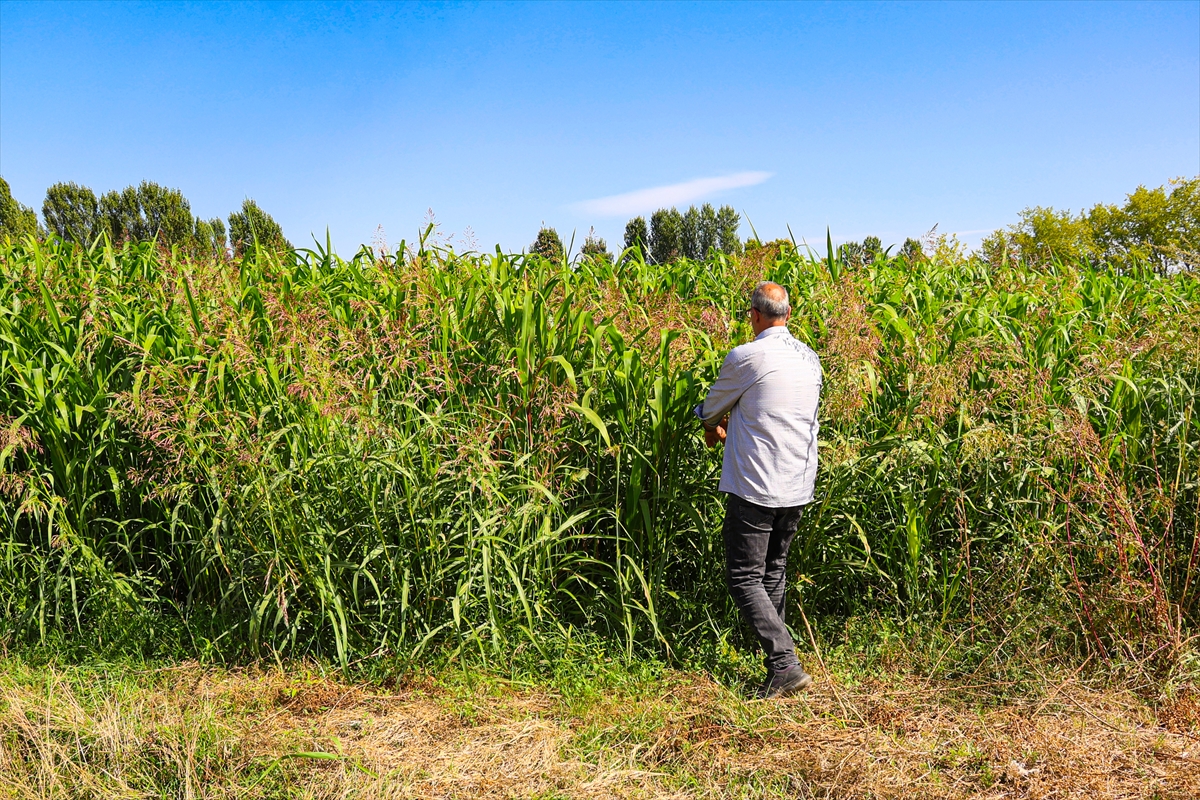
Kumtepe said expanding cultivation of the crop in Iğdır could provide a source of income for farmers and those engaged in livestock farming, adding that they planned to increase the cultivated areas across the region.
Şahset Tınakçı said they carried out the production with the support of the Directorate of Agriculture and Forestry, explaining that they conducted the first trial last year with various incentives and planted the crop for a second time this year. Tınakçı said they obtained 5 tons per decare in the first harvest from the 10-decare area and expected the same yield in the second harvest.
Recommending the crop to other farmers, Tınakçı said the sorghum-Sudan grass hybrid was more productive than corn and could be produced at a lower cost.
Ahmet Tingiş, director of the Provincial Directorate of Agriculture and Forestry, said the crop could yield up to three harvests, with approximately 5 tons obtained per decare in each harvest. Tingiş said the crop provided twice the yield of silage corn and was more profitable.
Stay Updated with The Turkiye Times
Subscribe to be informed about special news, developments and announcements. We will keep you informed.
By signing up, you agree to our Privacy Policy