- BIST10011,165+0.13%
- USD49.79+0.05%
- EUR55.52-0.41%
- GOLD4,048.10-0.09%
- INTEREST36.00%-1.00
- BITCOIN80,096-1.43%
- October 29, 202618°
- BIST10011,165+0.13%
- USD49.79+0.05%
- EUR55.52-0.41%
- GOLD4,048.10-0.09%
- INTEREST36.00%-1.00
- BITCOIN80,096-1.43%
- October 29, 202618°
Israel counts 98.82% of votes, but no bloc wins majority
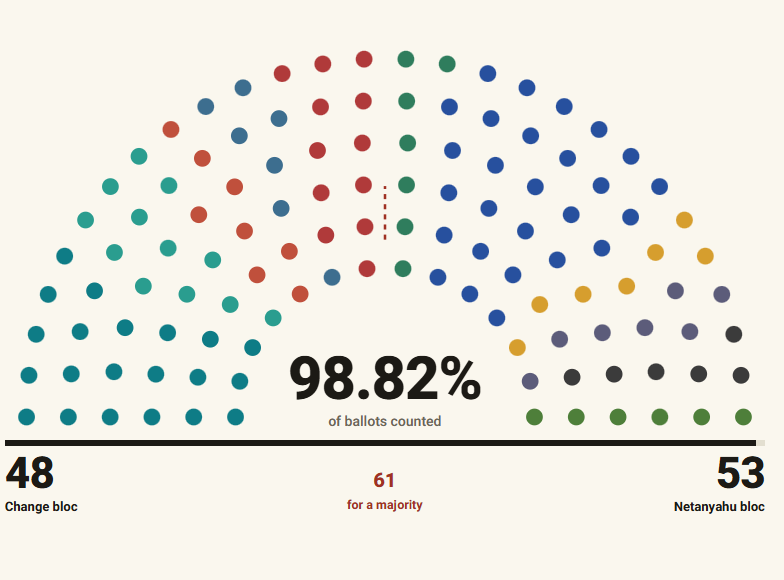
Israel has counted 98.82% of the votes cast in the Knesset elections held on October 27. The Netanyahu bloc secured 53 seats, the change bloc led by Eisenkot 48, while Arab parties achieved a historic result with 19 seats; 61 seats are required to form a government.
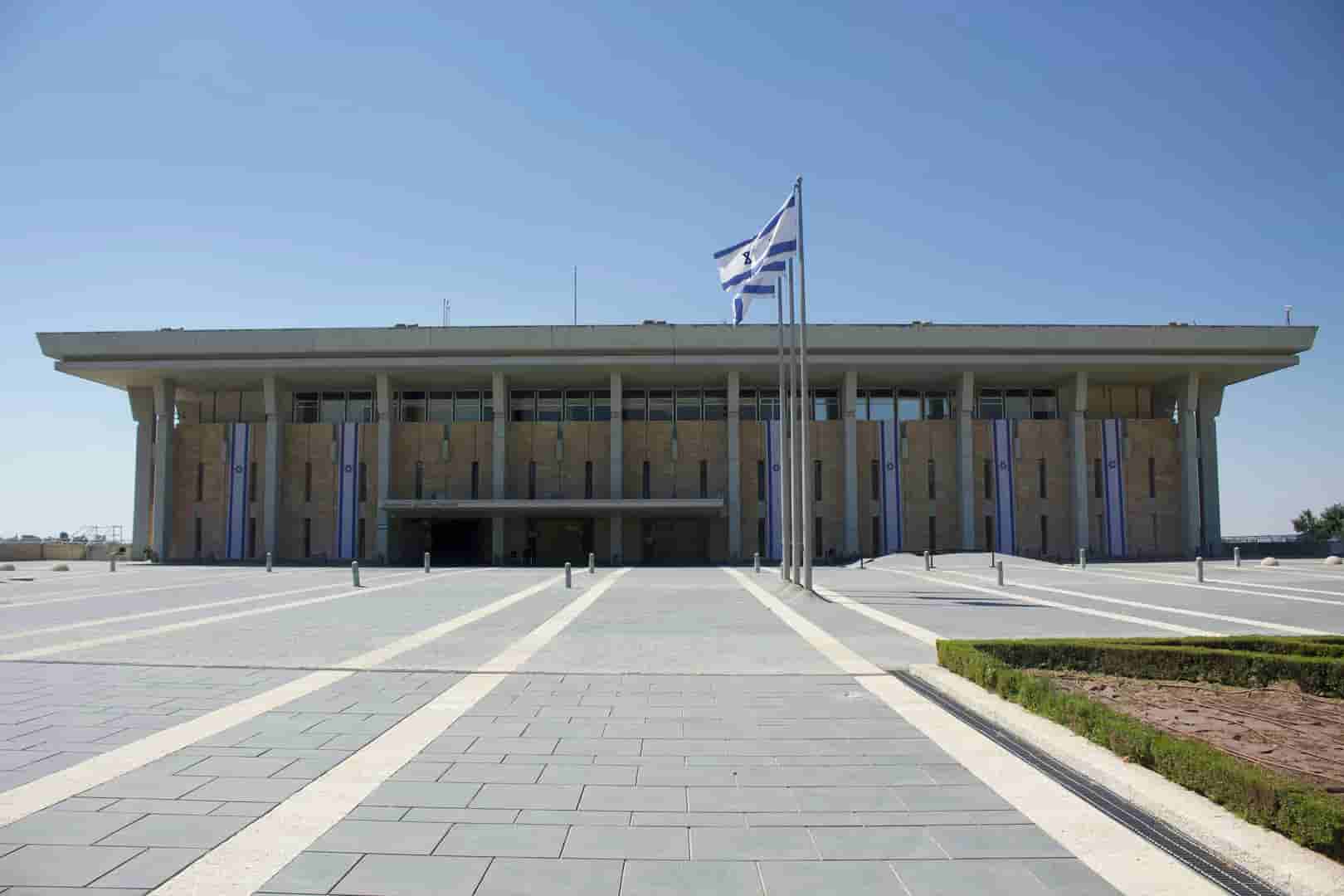
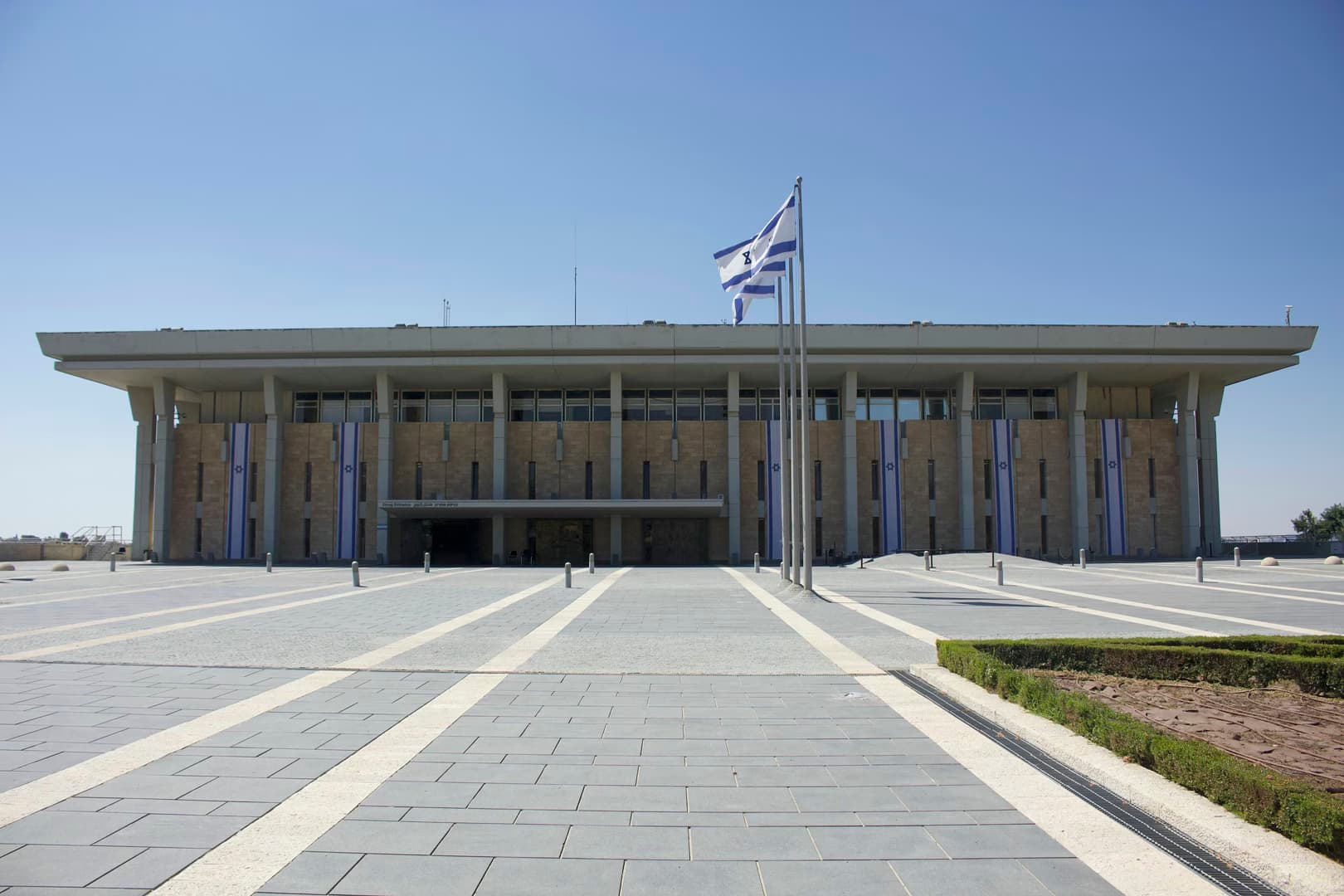
Israel has counted 98.82% of the votes cast in the 26th Knesset elections held on October 27. According to the latest figures, the bloc led by Prime Minister Benjamin Netanyahu won 53 seats, the change bloc led by Gadi Eisenkot won 48, and Arab parties reached 19 seats.
No bloc reaches the 61-seat threshold
Support from at least 61 lawmakers is required to form a government in the 120-seat Knesset. Under the current results, the Netanyahu bloc is eight seats short of a majority, while the Eisenkot bloc and Arab parties together hold 67 seats. However, it remains unclear whether these parties will agree to form a government together.
Likud emerges as largest party with 26 seats
- Likud (Benjamin Netanyahu): 26 seats, Netanyahu bloc;
- Yashar! (Gadi Eisenkot): 21 seats, Change bloc;
- United List (Yousef Jabareen): 13 seats, Arab parties;
- Beyahad (Naftali Bennett): 12 seats, Change bloc;
- Democrats (Yair Golan): 8 seats, Change bloc;
- Our Home Israel (Avigdor Lieberman): 7 seats, Change bloc;
- United Torah Judaism: 7 seats, Netanyahu bloc;
- Shas (Aryeh Deri): 7 seats, Netanyahu bloc;
- Otzma Yehudit (Itamar Ben-Gvir): 7 seats, Netanyahu bloc;
- Ra'am (Mansour Abbas): 6 seats, Arab parties;
- Religious Zionism (Bezalel Smotrich): 6 seats, Netanyahu bloc.
The seat distribution is based on the latest counting data, and minor changes may occur in the final results.
Gap between blocs stands at five seats
- Netanyahu bloc (Likud, Shas, United Torah Judaism, Otzma Yehudit, Religious Zionism): 53;
- Change bloc (Yashar!, Beyahad, Democrats, Our Home Israel): 48;
- Arab parties (United List, Ra'am): 19;
- Majority required to form a government: 61.
Final results expected this evening
The election committee plans to announce the final results this evening after counting more than 500,000 double-envelope ballots cast by soldiers, police officers and diplomats. Voter turnout reached 77.7%, its highest level in more than 20 years.
Netanyahu: Zionist majority must unite
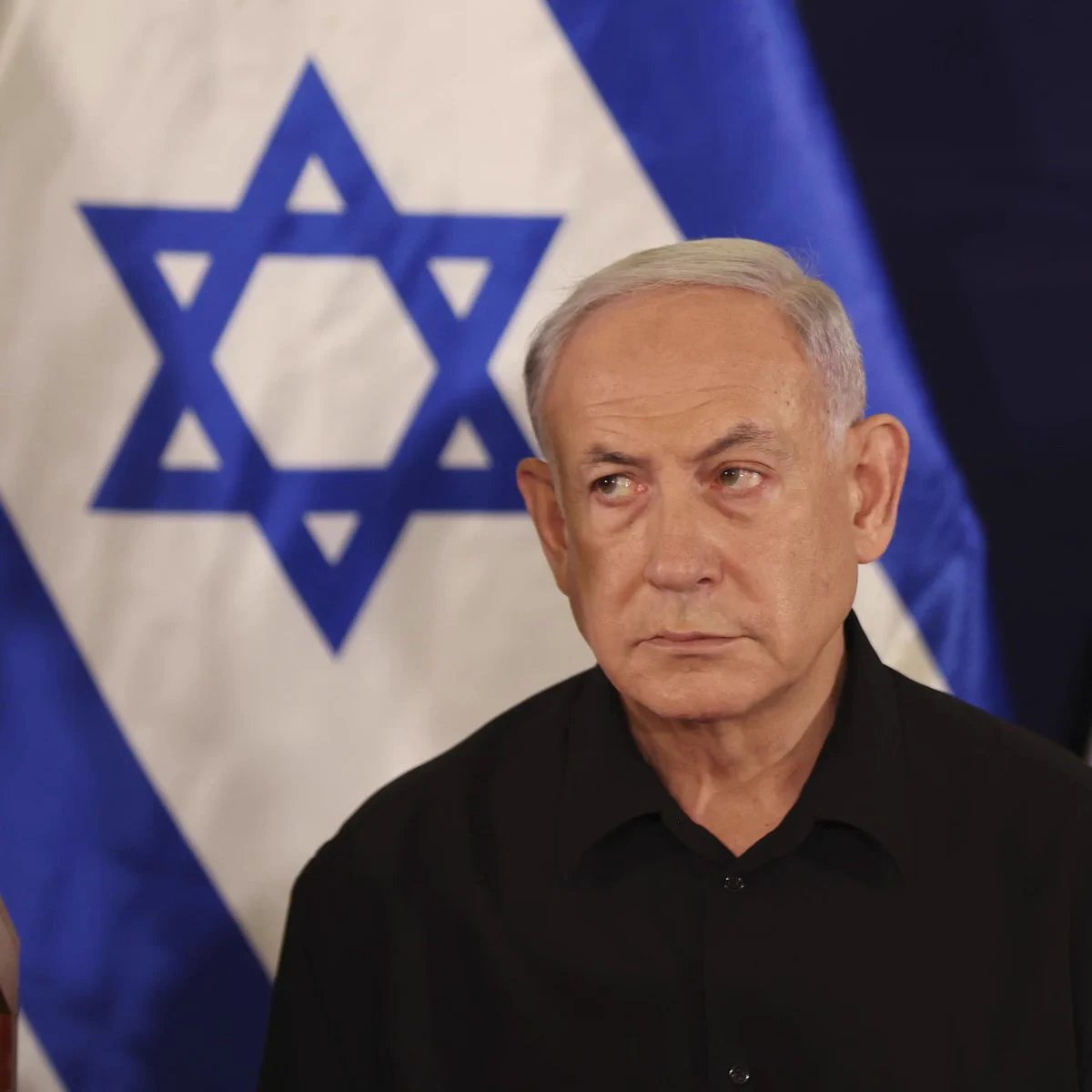
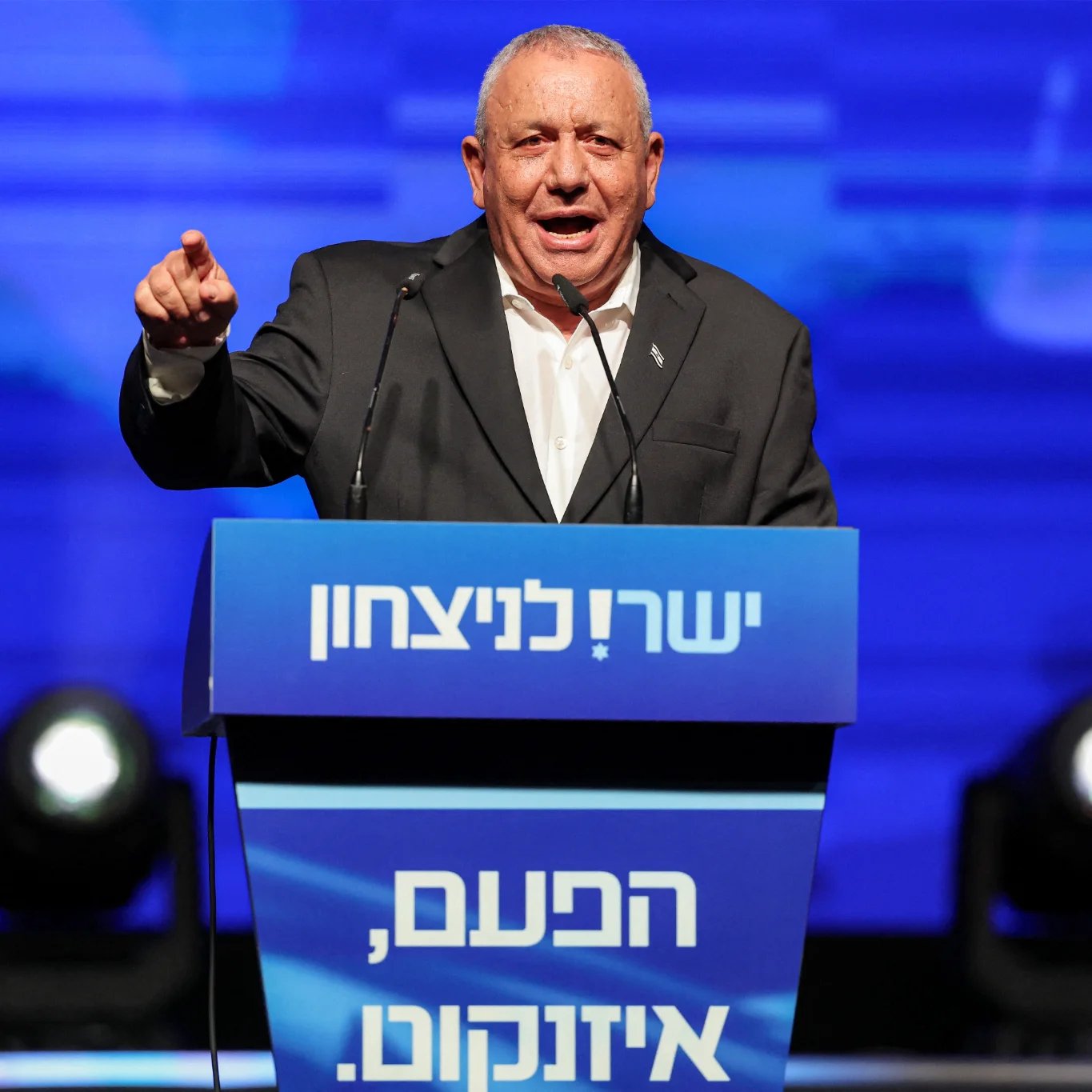
Netanyahu thanked his "loyal partners" in the current coalition, saying, "The Zionist majority must come to its senses and unite." Eisenkot called on Netanyahu to step down, saying, "We made history. The people chose change," and stated that they aimed to form a "Zionist government" that supports mandatory military service.
United List leader Yousef Jabareen announced that his party was ready to help bring down the government led by Netanyahu. Likud accused Arab parties of "stealing" the election and called for an investigation; the Central Elections Committee said it had examined all complaints as part of the regular process.
Interim government period may be extended
With no bloc securing a majority, Israel is expected to remain under an interim government for some time as coalition talks continue. U.S. President Donald Trump had also said he would "look at" efforts to form a possible national unity government led by Netanyahu.
Stay Updated with The Turkiye Times
Subscribe to be informed about special news, developments and announcements. We will keep you informed.
By signing up, you agree to our Privacy Policy