- BIST10011,117-0.92%
- USD49.65+0.05%
- EUR55.60-0.19%
- GOLD4,007.90-1.29%
- INTEREST36.00%-1.00
- BITCOIN80,433-0.80%
- October 24, 202614°
- BIST10011,117-0.92%
- USD49.65+0.05%
- EUR55.60-0.19%
- GOLD4,007.90-1.29%
- INTEREST36.00%-1.00
- BITCOIN80,433-0.80%
- October 24, 202614°
Istanbul’s Sulu Kule carries traces of the 1453 siege into the present
Sulu Kule, located on Istanbul’s historic walls, was one of the most active points during the 1453 siege of Constantinople. Situated between Topkapı and Edirnekapı, the structure reflects the city’s layered history through its name, associated with a water channel, traces from the Byzantine and Ottoman periods, and the surrounding Roma settlement.


Sulu Kule, located on the historic walls between Topkapı and Edirnekapı in Istanbul, today serves as one of the city’s everyday passageways. The structure, which has the modest appearance of a gateway, witnessed one of the most active fronts of the 1453 siege of Constantinople.
Sulu Kule and its surroundings stand on the Theodosian Walls, at the point where the Lycus River reached the fortifications. The watercourse and the surrounding land’s relationship with the defensive structures made the area one of the notable points in Constantinople’s land defense system.
One of the active points of the 1453 siege
The area around the district known as Pempton during the Byzantine period saw intense activity in 1453, as Ottoman forces carried out siege operations. The army of Fatih Sultan Mehmed tried to breach the walls between Topkapı and Edirnekapı with heavy artillery.
The route where the siege attempts took place is now part of Istanbul’s daily flow of traffic. The gateway also underwent historical transformations after the conquest of Constantinople.
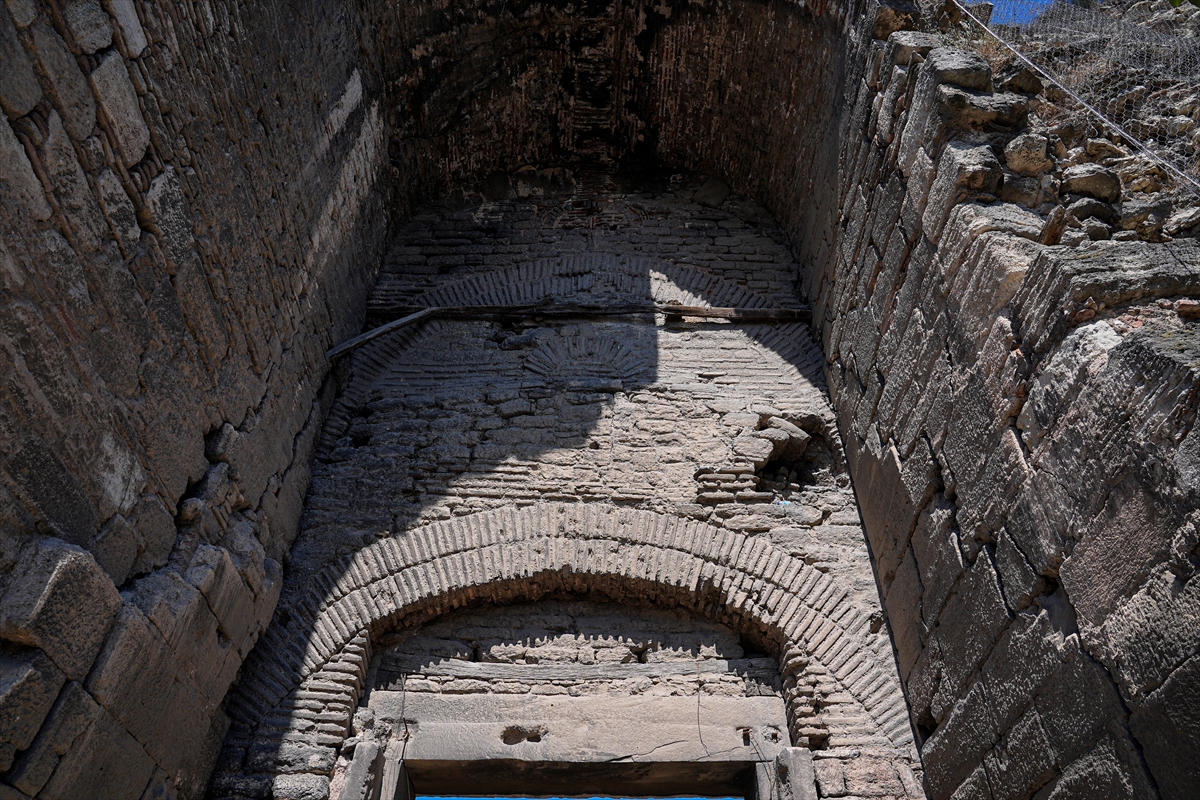
Sulu Kule remained enclosed by walls for much of the Ottoman period before reopening in the late 19th century. It subsequently became part of the surrounding urban fabric. The gateway’s towers suffered severe damage in the 1894 earthquake; only part of the northern face remained from the southern tower.
Its name comes from the watercourse beneath the walls
The name Sulu Kule is associated with water said to have flowed beneath the walls. Art historian Elif Rana Kabaklıoğlu said the name had been used since the reign of Fatih Sultan Mehmed.
According to Kabaklıoğlu, the Lycus River rose around Bayrampaşa, passed through the walls, continued along the route where Vatan Avenue and the tram and metro lines are located, and reached the sea at Yenikapı.
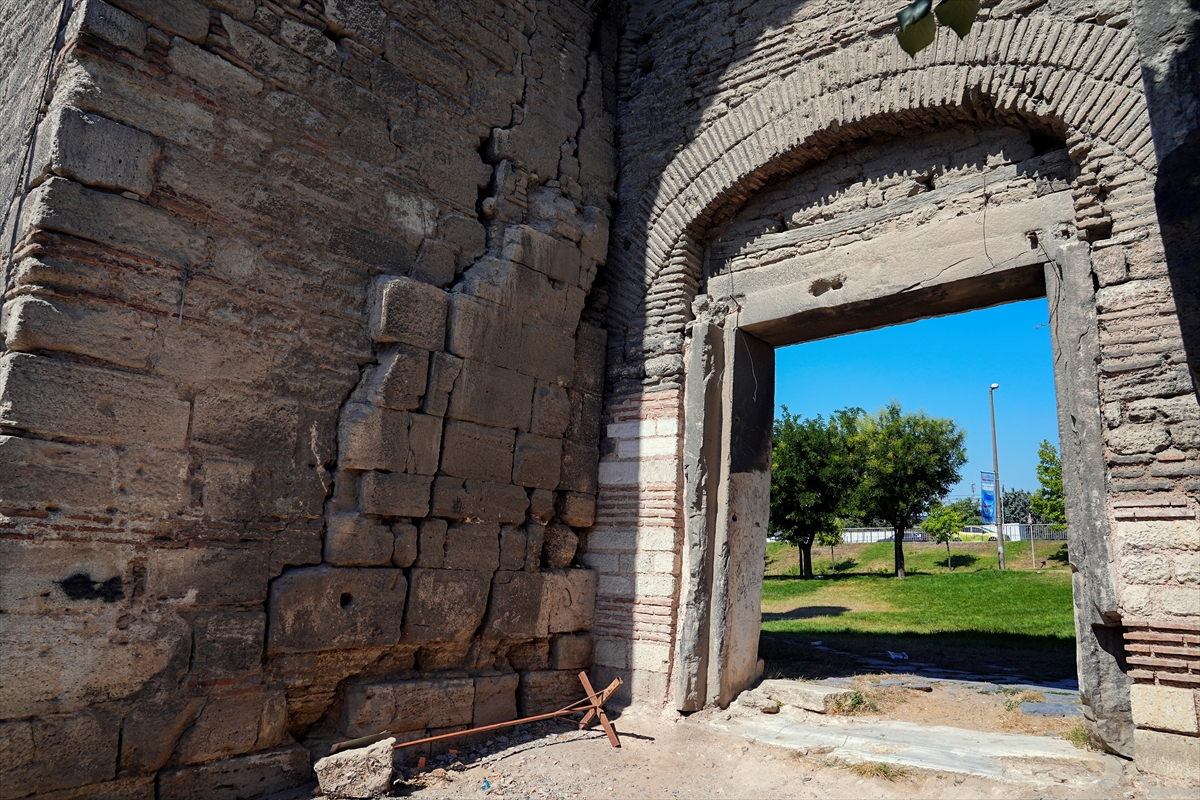
Residents said the watercourse began to dry up during the Ottoman period, but that water emerging from a cave beneath the gateway continued along its course. The structure’s name has continued to preserve this association with water.
Traces of Byzantine and Ottoman repairs
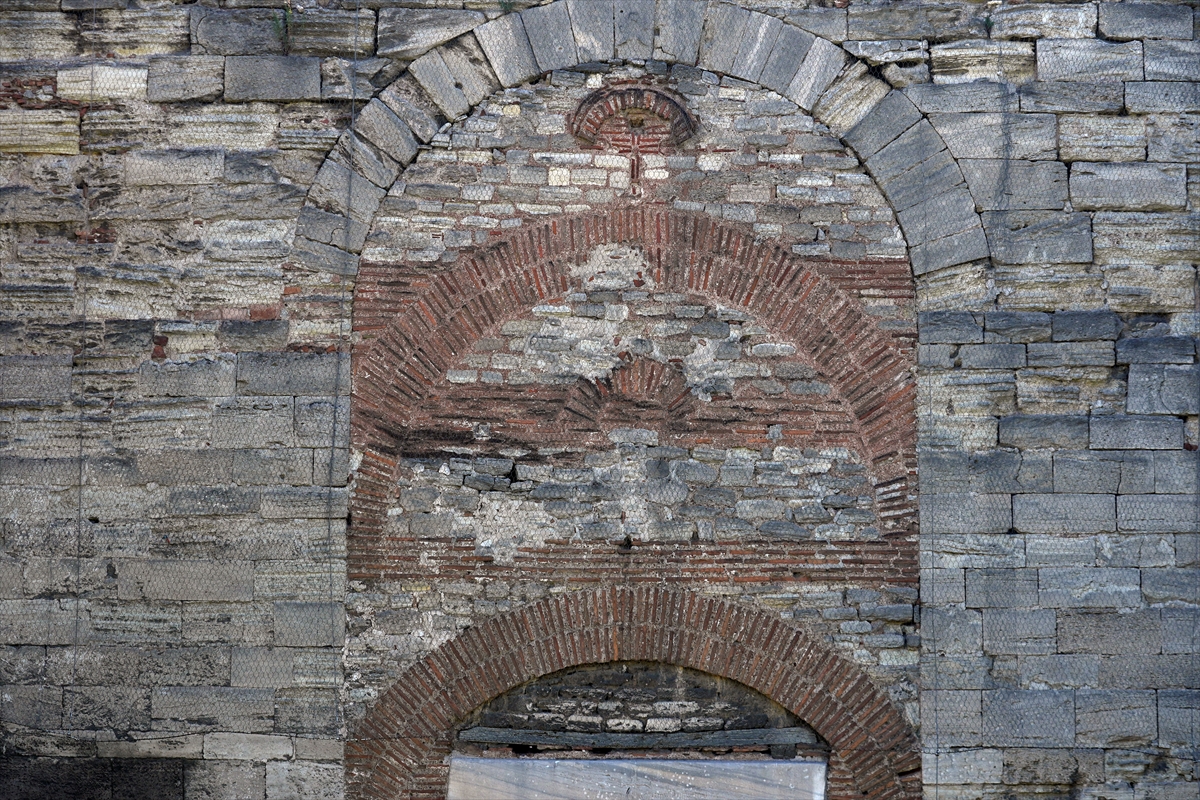
Traces of different periods can be seen in Sulu Kule’s stones. A cross carved into the marble threshold at the top of the gateway points to the structure’s Byzantine past.
Repair marks show that the walls were renovated repeatedly during the Byzantine and Ottoman periods. The walls, damaged by earthquakes, fires and sieges, were repaired at various times on the orders of emperors, commanders and administrators. Among the traces of work carried out during the Ottoman period is an inscription linked to a repair on the threshold.
A neighborhood inhabited by different communities
Sulu Kule’s history consists of more than walls and sieges. The neighborhood around the structure took shape as an area inhabited by different communities and occupational groups from the Byzantine period through the Ottoman era.
Kabaklıoğlu said some Roma communities lived outside the walls during the Byzantine period and that, after helping the emperor during internal unrest, some were allowed to settle inside the city. She said these communities moved into areas previously inhabited by Jews, Greeks and other Christian communities.
The Roma presence in the neighborhood continued during the Ottoman period, and the name Sulu Kule came to be associated with the area’s large Roma population. Some residents living in houses adjoining the walls earned their livelihoods through work such as muleteering, blacksmithing, ironworking and coppersmithing.
Sulu Kule neighborhood is regarded as one of Istanbul’s oldest neighborhoods where Roma communities established permanent settlements after the conquest. While the gateway remains an everyday passage today, its walls preserve traces of sieges, waterways, repairs and neighborhood life.
Stay Updated with The Turkiye Times
Subscribe to be informed about special news, developments and announcements. We will keep you informed.
By signing up, you agree to our Privacy Policy