- BIST10011,843+1.51%
- USD50.28+0.05%
- EUR55.60-0.24%
- GOLD3,888.90+0.07%
- INTEREST36.00%-1.00
- BITCOIN64,771-0.83%
- November 16, 202611°
- BIST10011,843+1.51%
- USD50.28+0.05%
- EUR55.60-0.24%
- GOLD3,888.90+0.07%
- INTEREST36.00%-1.00
- BITCOIN64,771-0.83%
- November 16, 202611°
Italy evacuates hundreds of schools after bomb threats sent to thousands
The same email sent bomb threats to thousands of schools in Italy, prompting the evacuation of students from at least 300 schools. Prime Minister Meloni said no concrete danger had been found, while similar emails also reached schools in Scotland and Northern Ireland.

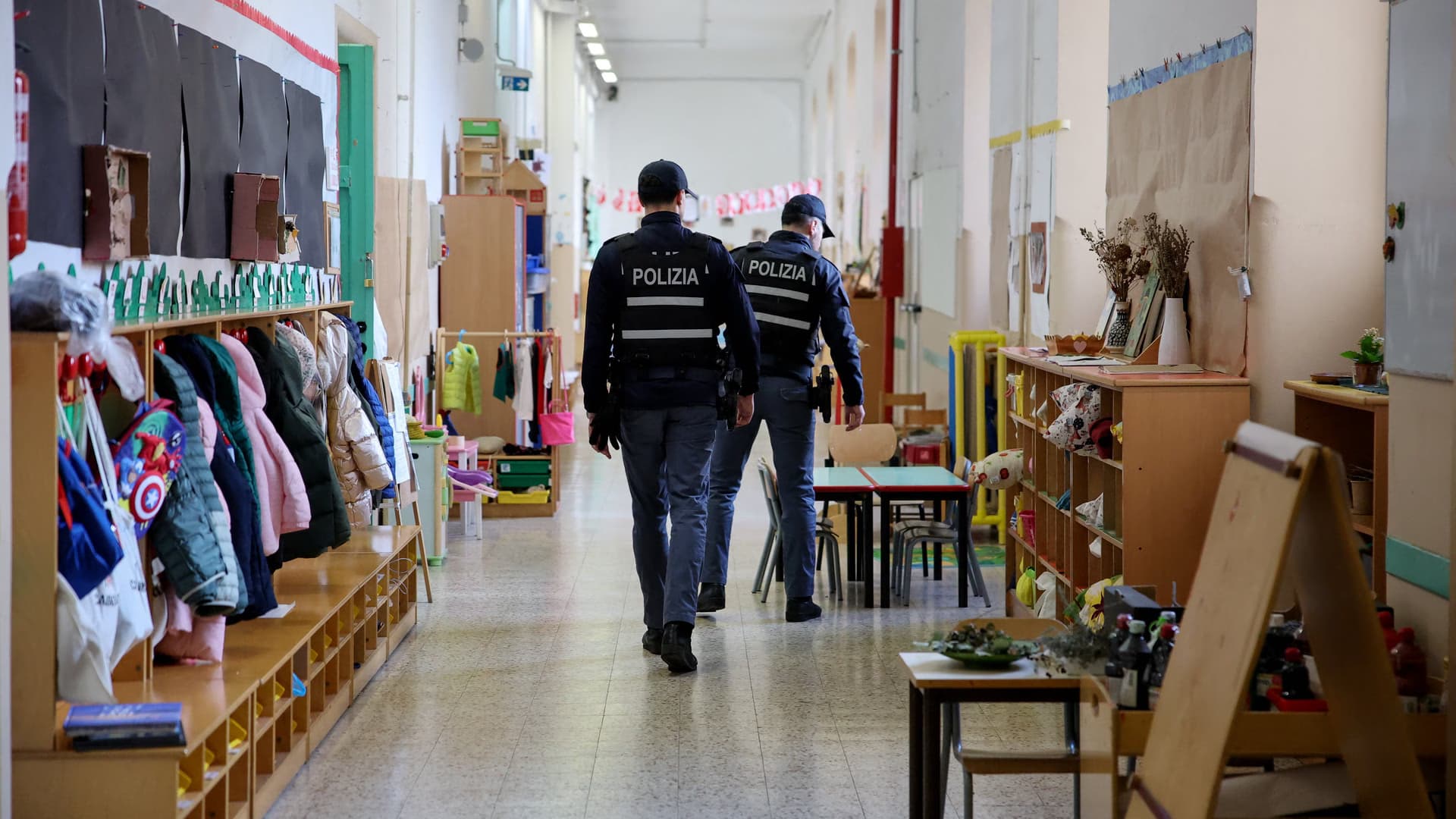
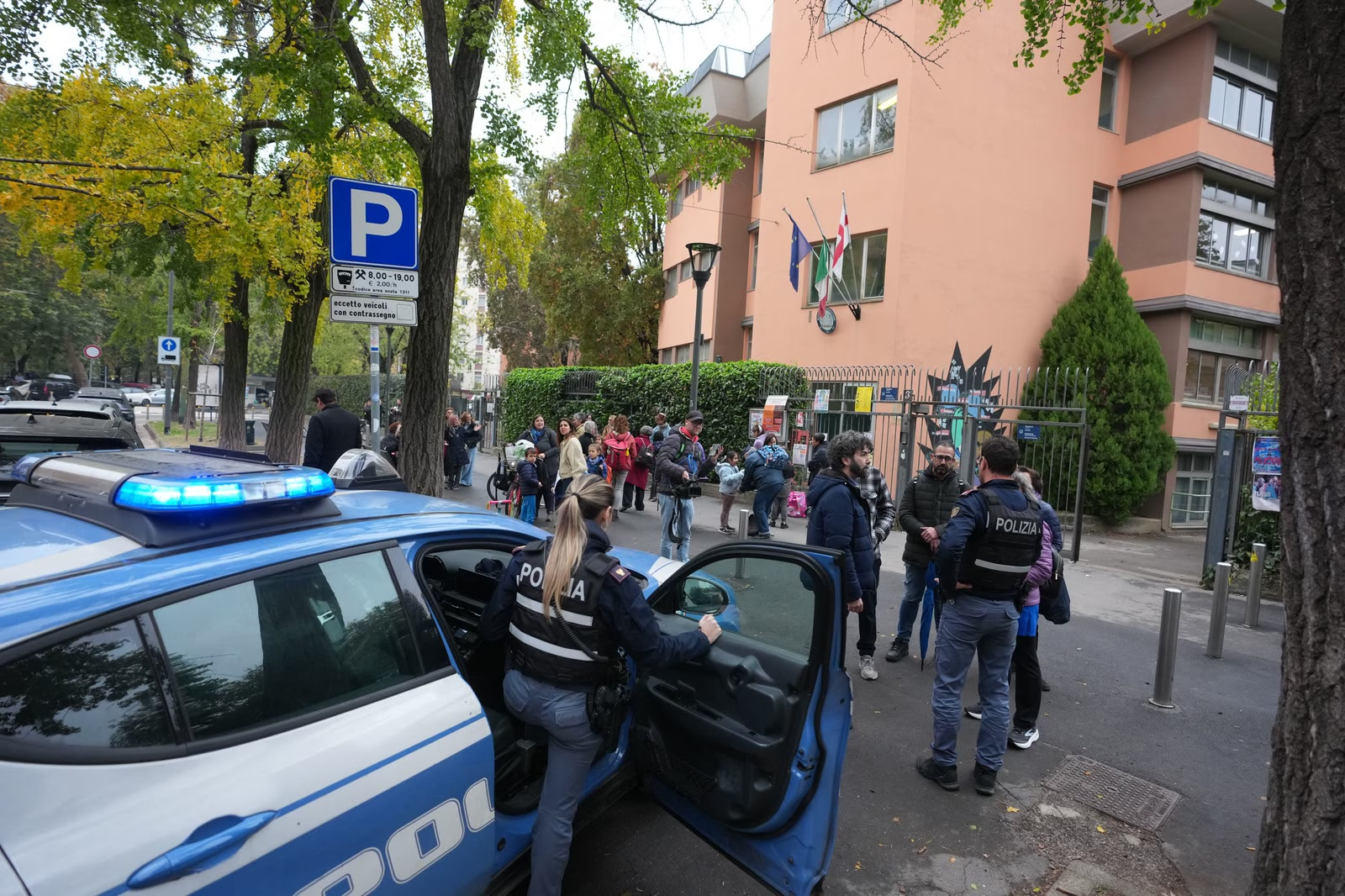
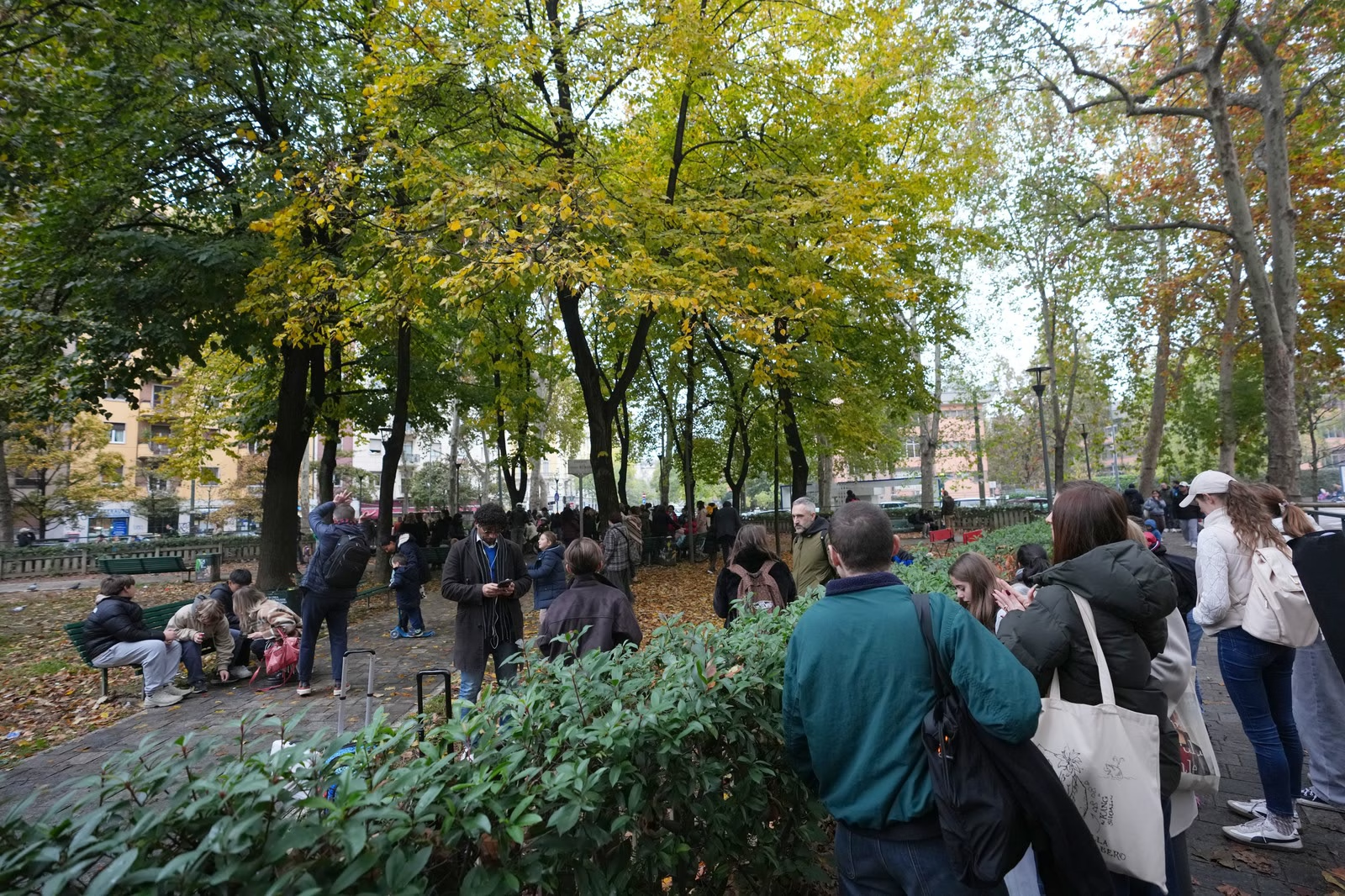
Emails containing bomb threats sent simultaneously to schools across Italy on November 11 caused panic. According to a report by ANSA citing Education Ministry sources, more than 6,000 schools received the same email. Education Minister Giuseppe Valditara said in an interview with La7 that at least 300 schools had been affected by the threat and that the number could rise.
Schools and nearby nurseries in the Appio-Tuscolano district of Rome were evacuated. Many schools in Milan, Trieste, Bologna, Naples, Reggio Calabria and Sardinia also received threats. The email, signed “Mikhail Andropov,” included the phrase “We have come to destroy you”; a copy obtained by Reuters also contained a threat against Prime Minister Giorgia Meloni.
Meloni: No concrete danger found
Meloni called an emergency meeting of the security committee and said in a written statement: “The investigations currently under way have found no evidence indicating the existence of a concrete danger.” Meloni said the threats were being assessed as part of a strategy aimed at creating fear and concern among the public.
Minister Valditara also said: “It is clearly a strategy. It is difficult to say at this stage who is behind it; the intelligence services are working on it.” Valditara said they were most likely dealing with a cyberattack rather than a real threat. Luca Pirondini of the opposition Five Star Movement called on Interior Minister Matteo Piantedosi to brief Parliament. On November 2, threat emails were also sent to 280 school principals in Italy, and they were later found to be baseless.
Similar emails also sent in Scotland and Northern Ireland
On the same day, threat emails also reached numerous schools in Scotland and Northern Ireland. Police Scotland said it considered the messages to be baseless, while the Northern Ireland Department of Education said police did not consider the threat credible and advised that schools remain open.
In recent weeks, baseless bomb threats targeting flights and cyberattacks targeting supermarkets’ refrigeration systems have increased concerns about hybrid threats in Europe. Some European officials suspect that Russia is behind the campaign, while Moscow denies the allegations.
Cover photo: Reuters. Photos: AP. Sources: TRT Haber, Reuters, Al Jazeera, DW Türkçe.
Stay Updated with The Turkiye Times
Subscribe to be informed about special news, developments and announcements. We will keep you informed.
By signing up, you agree to our Privacy Policy