- BIST10012,151-0.94%
- USD49.220.00%
- EUR55.21+0.28%
- GOLD4,194.30-0.52%
- INTEREST37.00%-1.00
- BITCOIN82,977-0.83%
- October 12, 202619°
- BIST10012,151-0.94%
- USD49.220.00%
- EUR55.21+0.28%
- GOLD4,194.30-0.52%
- INTEREST37.00%-1.00
- BITCOIN82,977-0.83%
- October 12, 202619°
Mediators work on a Hormuz deal between Iran and the United States
Mediators are working on a comprehensive draft agreement to resume maritime traffic in the Strait of Hormuz and end the United States' blockade of Iran. The draft envisages lifting sanctions, waiving transit fees and securing some concessions from Iran regarding its nuclear program.


Mediators are working on a comprehensive agreement between Iran and the United States aimed at resuming maritime traffic through the Strait of Hormuz. The talks address reopening the strait, ending the United States' blockade of Iran and lifting sanctions.
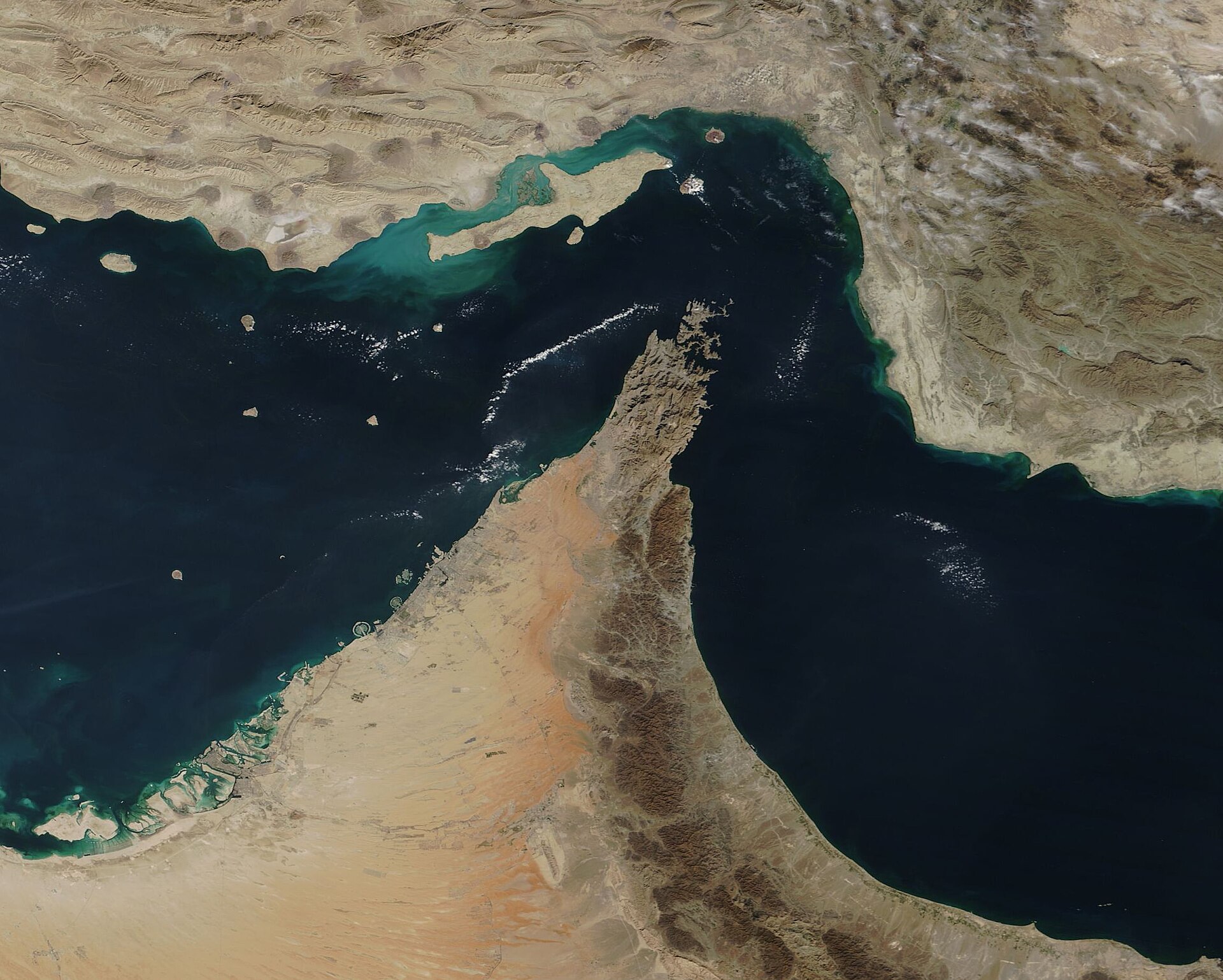
Under the draft agreement, the Strait of Hormuz would be reopened in line with bilateral talks between Iran and Oman. Waiving the transit fee demanded by Iran is also among the elements of the plan.
U.S. position on the proposal
U.S. President Donald Trump said Washington had rejected a proposal from Tehran that would open the strait within a week in exchange for the United States lifting its blockade of Iranian ports, releasing frozen assets and waiving oil sanctions.
Despite this, the United States has not formally rejected the proposal, and Trump's public statements may be part of a negotiating tactic. The White House did not respond to a request for comment on the matter.
Iranian Foreign Minister Abbas Araghchi, who is continuing his contacts in New York, said he was awaiting word from the mediators. Qatar is mediating the process.
The nuclear program
The United States expects Iran to make concessions regarding its nuclear program as part of the agreement. These expectations include allowing nuclear inspectors to enter Iran.
A memorandum of understanding signed by Iran and the United States in June 2026 but collapsed within a few days provided for the nuclear issue to be addressed within a 60-day timetable. The new proposal resembles that framework, with the main difference being that the process would move more quickly.
Officials said both sides had sent positive signals during the talks, limited progress had been achieved over the weekend and the mediators were working to soften the positions of the parties.
Economic pressure and regional conflicts
Iran and the United States are facing economic pressure as the process continues. While the United States is grappling with high oil prices because of Iran's attacks on ships in the Strait of Hormuz, Tehran is under pressure from the maritime blockade and U.S. sanctions restricting its oil sales.
The price of Brent crude, the global benchmark, remains above $108 a barrel. In a region where the parties are pursuing a strategy of mutual attrition, Iran's missile and drone attacks targeting U.S. military assets are sustaining regional tensions.
The proposed agreement under discussion would seek to halt fighting on all fronts, including Lebanon. A new front opened by the deployment of Iran-backed Houthis in the Bab el-Mandeb Strait, the southern gateway to the Red Sea, is also increasing pressure on global markets.
Iran argues that the Houthis are acting according to their own demands and that their clashes with Saudi Arabia are independent of the tensions between the United States and Iran. At the same time, Tehran is willing to mediate an agreement between the Houthis and Saudi Arabia.
Iran's seven-point proposal
While in the United States for the United Nations General Assembly, the Iranian delegation presented Washington with seven conditions for reopening the Strait of Hormuz, with Qatar acting as mediator.
Trump said they had not accepted Iran's conditions. The U.S. president said Iran wanted to reach an agreement to reopen the strait and that he expected U.S. negotiators to hold further talks with Iran.
Araghchi described the seven-point plan as reasonable and argued that responsibility would lie with the United States if the proposal were rejected without justification.
Stay Updated with The Turkiye Times
Subscribe to be informed about special news, developments and announcements. We will keep you informed.
By signing up, you agree to our Privacy Policy