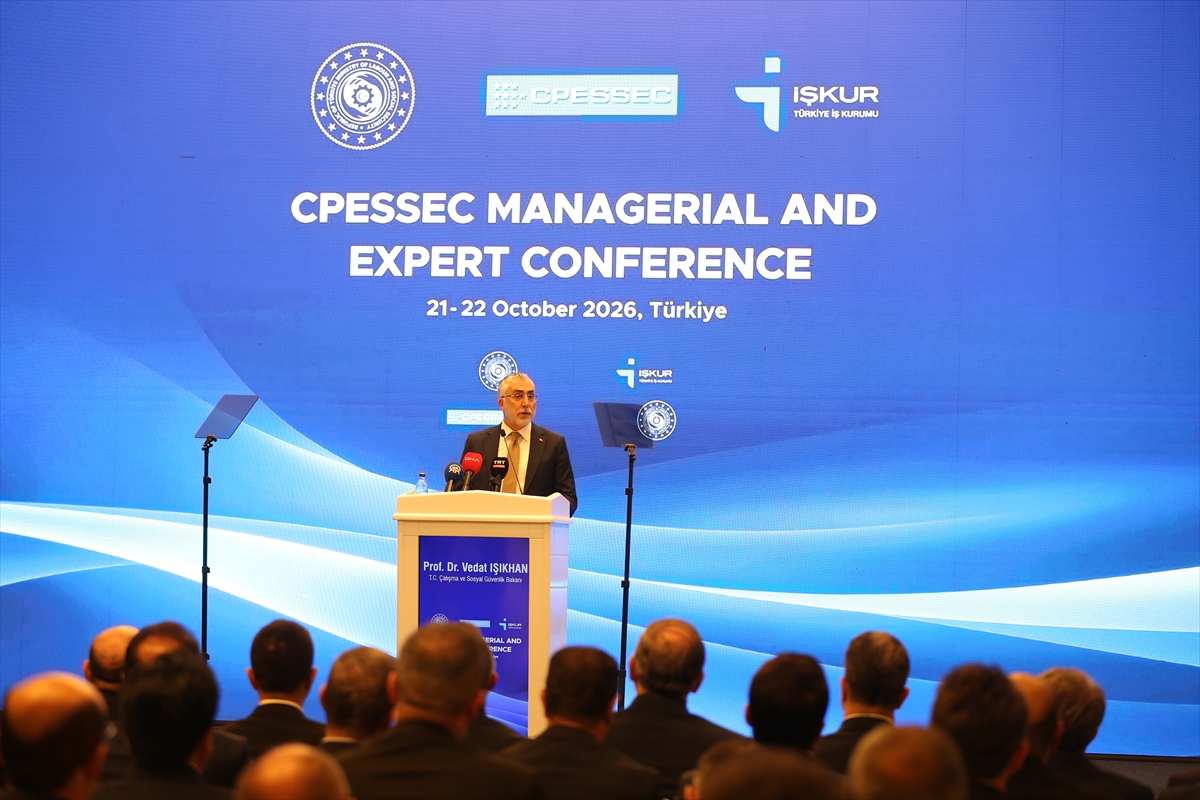
Minister of Labor and Social Security Vedat Işıkhan said at the opening meeting of the Association of Public Employment Services of Southeast European Countries (CPESSEC) Project, held in Antalya’s Kemer district, that İŞKUR services had been strengthened around digital transformation, skills development and inclusive employment.
Işıkhan said Türkiye had assumed the CPESSEC rotating presidency again in 2026 after a 10-year gap. He said the association, which has been operating for approximately 20 years, had improved the exchange of knowledge and experience among member countries, created areas for cooperation in public employment services and strengthened regional cooperation.
Transformation on the employment policy agenda
Işıkhan said this year’s conferences for managers and experts would address areas of transformation in working life and the skills policies required by this transformation. He said the managers’ conferences would evaluate green, digital and demographic transformation processes, while the experts’ conferences would focus on anticipating skills needs and evidence-based public employment policies.
Işıkhan said artificial intelligence and automation technologies were changing the content of occupations and the skills required. He noted that the green transition was creating new production models and areas of employment. He said population ageing, declining fertility rates and labor mobility would affect countries’ future labor supply.
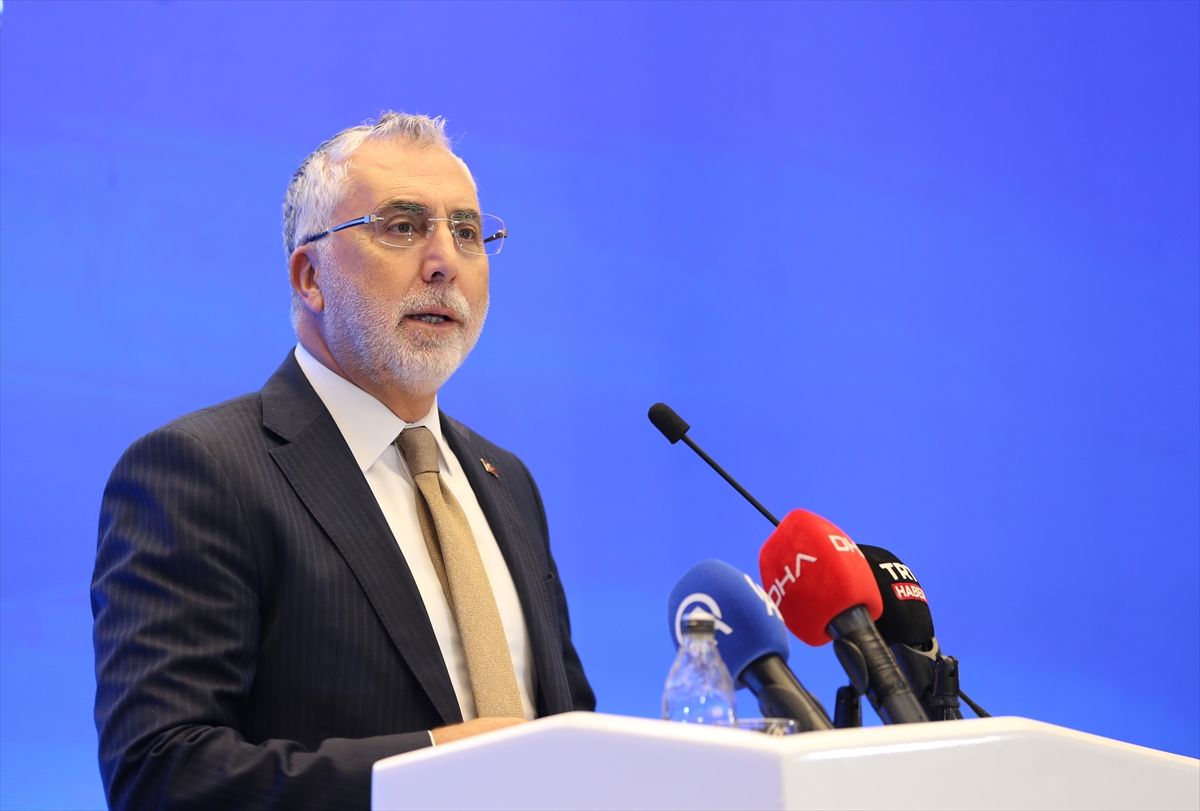
Işıkhan said employment policies could not be limited to responding to current needs, adding that policies were needed to support individuals’ adaptation to the changing world of work and their effective use of skills. He said the importance of skills policies for economic competitiveness, productivity and social welfare had also been addressed at the OECD 2026 Skills Summit held in Istanbul last April.
Targets for İŞKUR programs
Işıkhan said adaptation to the digital and green transitions, improving skills alignment, a just transition and inclusive employment were among the key priorities of the 2025–2028 National Employment Strategy. He said new practices were being used in İŞKUR’s services.
- The Candidate Pool System and artificial intelligence-supported matching applications aim to enable more effective monitoring of labor demand and facilitate jobseekers’ access to employment opportunities.
- Under the Skills Inventory Project, changing skills needs are being identified through job analyses covering approximately 1,000 occupations.
- The Qualified Workforce Training Program, on-the-job training programs and vocational training courses focused on the green transition are supporting the workforce’s adaptation to new skills needs.
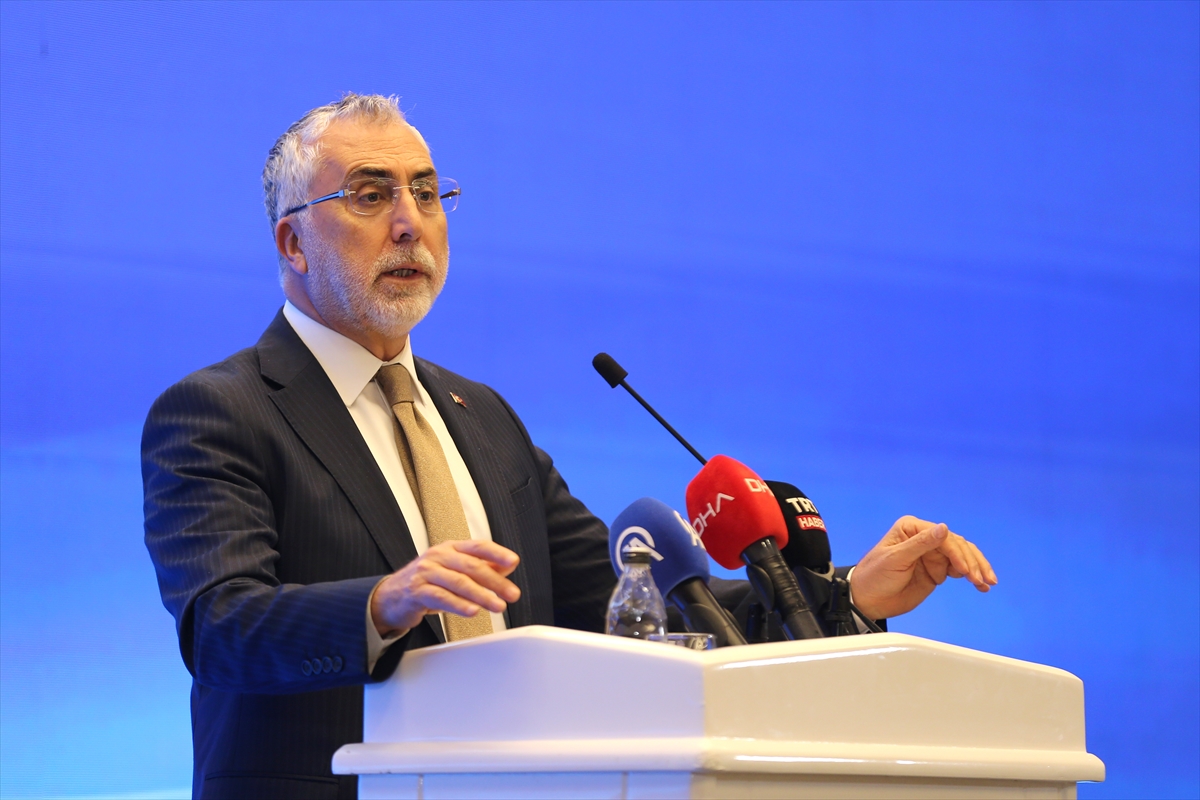
Işıkhan said more than 12,000 people had benefited from programs in 100 occupations of the future, while approximately 10,000 people had benefited from programs in 112 occupations linked to the green transition. He said these efforts had contributed to developing the vocational skills of more than 28,000 people since 2024.
Measures for women’s and youth employment
Işıkhan said they regarded bringing the potential of women and young people into employment as a priority. He said approximately 2.8 million women had been helped into employment through the İş Pozitif Program. He added that the Positive Discrimination in Women’s Employment Project and childcare support had strengthened women’s participation in working life and their retention in employment.
Işıkhan said the Youth’s Age of Production (GÜÇ) Program had been launched at the beginning of the year. He said five core programs supported the process for young people, from vocational education to employment, including those neither in education nor employment and vocational high school graduates, as well as the stages from internships to their first jobs.
Işıkhan said the programs had been allocated a total of 472.3 billion liras and aimed to reach more than 3 million young people over three years. He said approximately 675,000 young people had benefited from the programs in the first nine months of the year.
Green transition and regional cooperation
Işıkhan said the green transition was an important dimension of the approach. He said they regarded the just transition approach as an integral part of the social dimension of green transition policies because of the potential effects of this process on workers and regions.
Işıkhan said they aimed to help workers affected by the transition acquire new skills, support their move to different areas of employment and ensure that all segments of society benefited from employment opportunities. He said cooperation among public institutions, employers, educational institutions and social partners, together with the exchange of experience among countries, would strengthen policymaking capacity.
Işıkhan said that during Türkiye’s 2026 CPESSEC rotating presidency, Türkiye would attach importance to improving the exchange of knowledge and experience among public employment institutions, supporting the dissemination of good practices and strengthening areas of joint work focused on the labor market of the future. After his speech, Işıkhan presented representatives of CPESSEC member countries with gifts to mark the occasion.