- BIST10011,220-3.08%
- USD49.60+0.05%
- EUR55.68+0.11%
- GOLD4,053.80-2.32%
- INTEREST36.00%-1.00
- BITCOIN81,114-3.46%
- October 22, 202619°
- BIST10011,220-3.08%
- USD49.60+0.05%
- EUR55.68+0.11%
- GOLD4,053.80-2.32%
- INTEREST36.00%-1.00
- BITCOIN81,114-3.46%
- October 22, 202619°
Professor Şermin Tağıl warns of drought and flood risks in Aegean
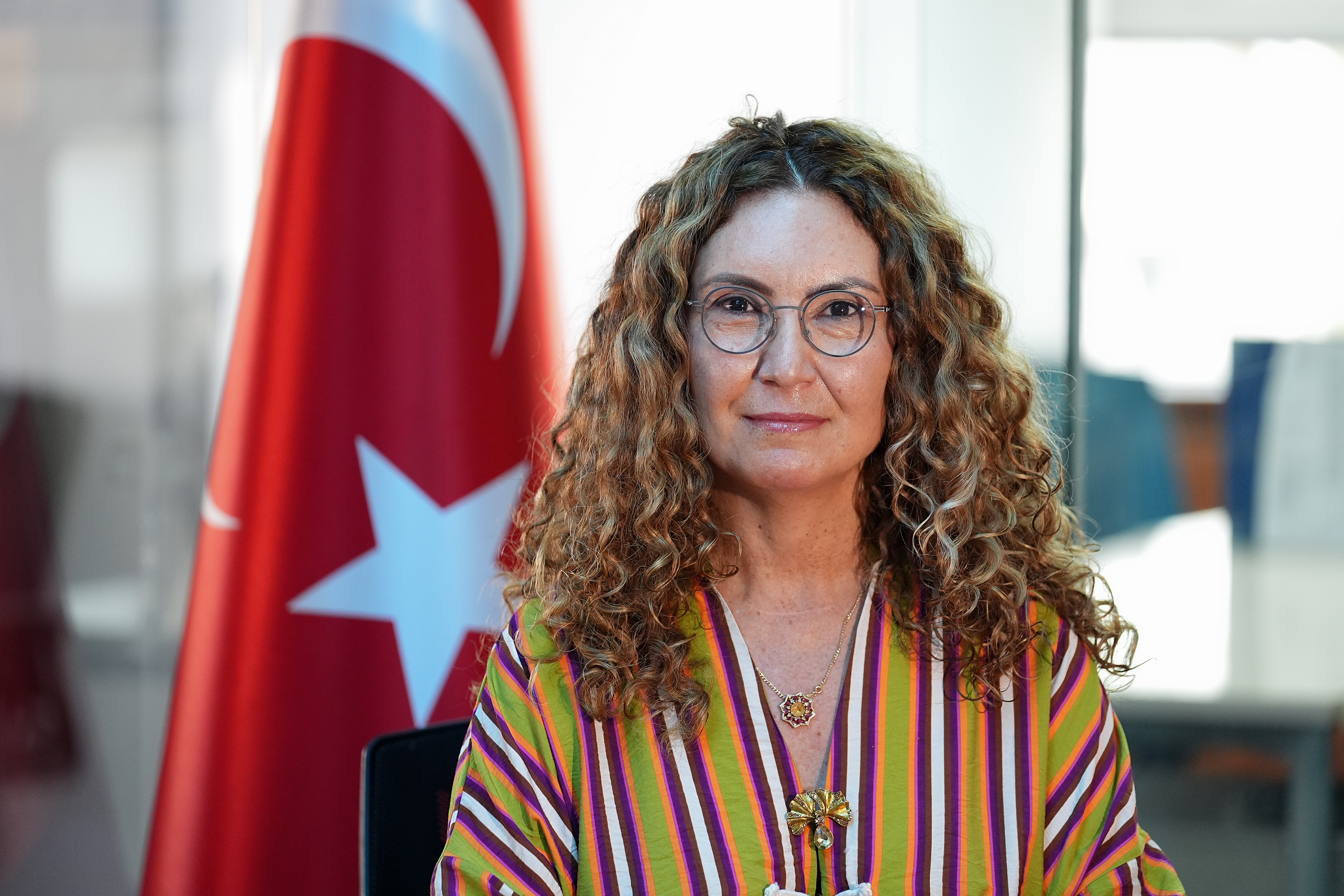
Professor Şermin Tağıl, a faculty member in the Department of Geography at İzmir Bakırçay University, said drought pressure persists in the Aegean Region and cities must prepare for both drought and flood risks.


Professor Şermin Tağıl, a faculty member in the Department of Geography at İzmir Bakırçay University, said the drying trend observed across the Mediterranean basin was adversely affecting the Aegean Region.
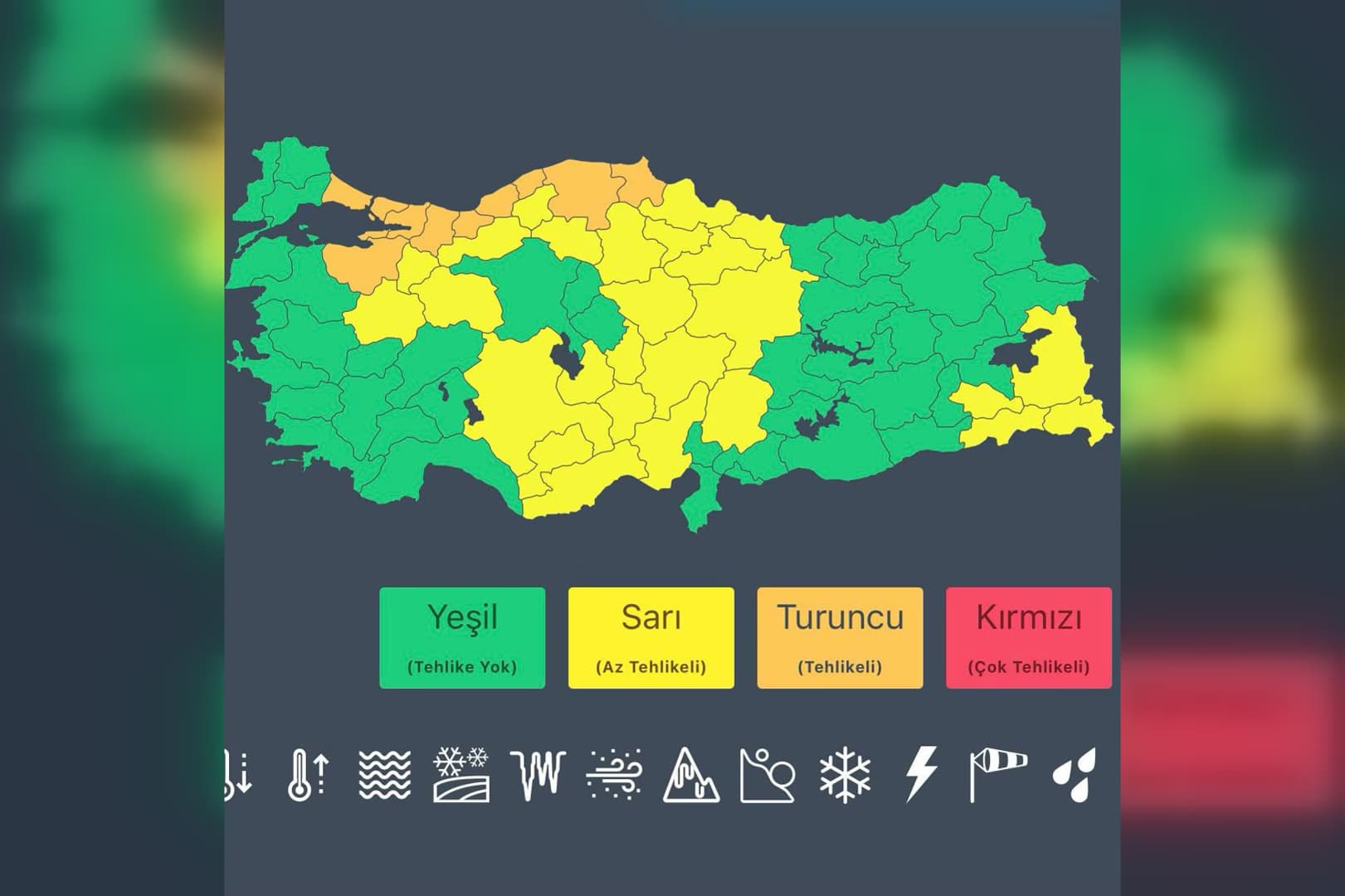
Tağıl said the Aegean had been under long-term drought pressure, adding that below-average rainfall had reduced soil moisture, made agricultural production more difficult and increased pressure on groundwater resources.
Drought pressure persists in the northern Aegean
Tağıl noted that drought was not experienced with the same intensity across all parts of the Aegean and drew attention to the prolonged drought pressure, particularly in the northern Aegean. She said there were differences in rainfall amounts and water resources between coastal and inland areas.
Tağıl said forecasts for a rainy period ahead would not, on their own, be enough to restore water resources. She stressed that seasonal rainfall exceeding normal levels did not necessarily mean that water resources would be sufficiently replenished or that the drought would end.
Tağıl said the timing and amount of rainfall, as well as the extent to which it could infiltrate the soil, were important in terms of agricultural drought and groundwater. She said replenishing groundwater reserves took time and that the recovery of resources heavily used during dry periods could take even longer.
Recommendations for rainwater harvesting and water conservation
Tağıl said rainwater harvesting should be expanded in cities, water losses reduced and treated water reused. She recommended managing agricultural irrigation and groundwater use according to the water capacity of each basin.
Tağıl said climate change assessments should consider not only changes in rainfall amounts but also the timing, intensity and spatial distribution of precipitation. She explained that when heavy rain falls in a short period on soil that has received no rain for a long time, not all of the water may infiltrate the ground.
Tağıl said some of the water could then become surface runoff and increase the risk of flooding, adding that concrete and asphalt surfaces in cities could worsen the problem. She noted that heavy rainfall alone did not mean the drought had ended or that water resources had been sufficiently replenished.
Cities must prepare for both risks
Tağıl said a single rainfall event could not be directly attributed to climate change and that the risks of drought and extreme rainfall should be assessed together under changing climate conditions.
Tağıl said cities should prepare not only for drought or flooding but for both risks at once. She said rainwater should be allowed to infiltrate the soil in suitable areas, rooftop water collected and stored, and network losses reduced. She added that what mattered was not only how much rain fell, but also how much of that water could be retained and transferred to the period when it was needed.
Stay Updated with The Turkiye Times
Subscribe to be informed about special news, developments and announcements. We will keep you informed.
By signing up, you agree to our Privacy Policy