Treasury and Finance Minister Mehmet Şimşek said Türkiye’s economy continued to grow and that they had not abandoned the fight against disinflation. Şimşek said the main objective of the Medium-Term Program was to achieve price stability and that fiscal discipline would be maintained.
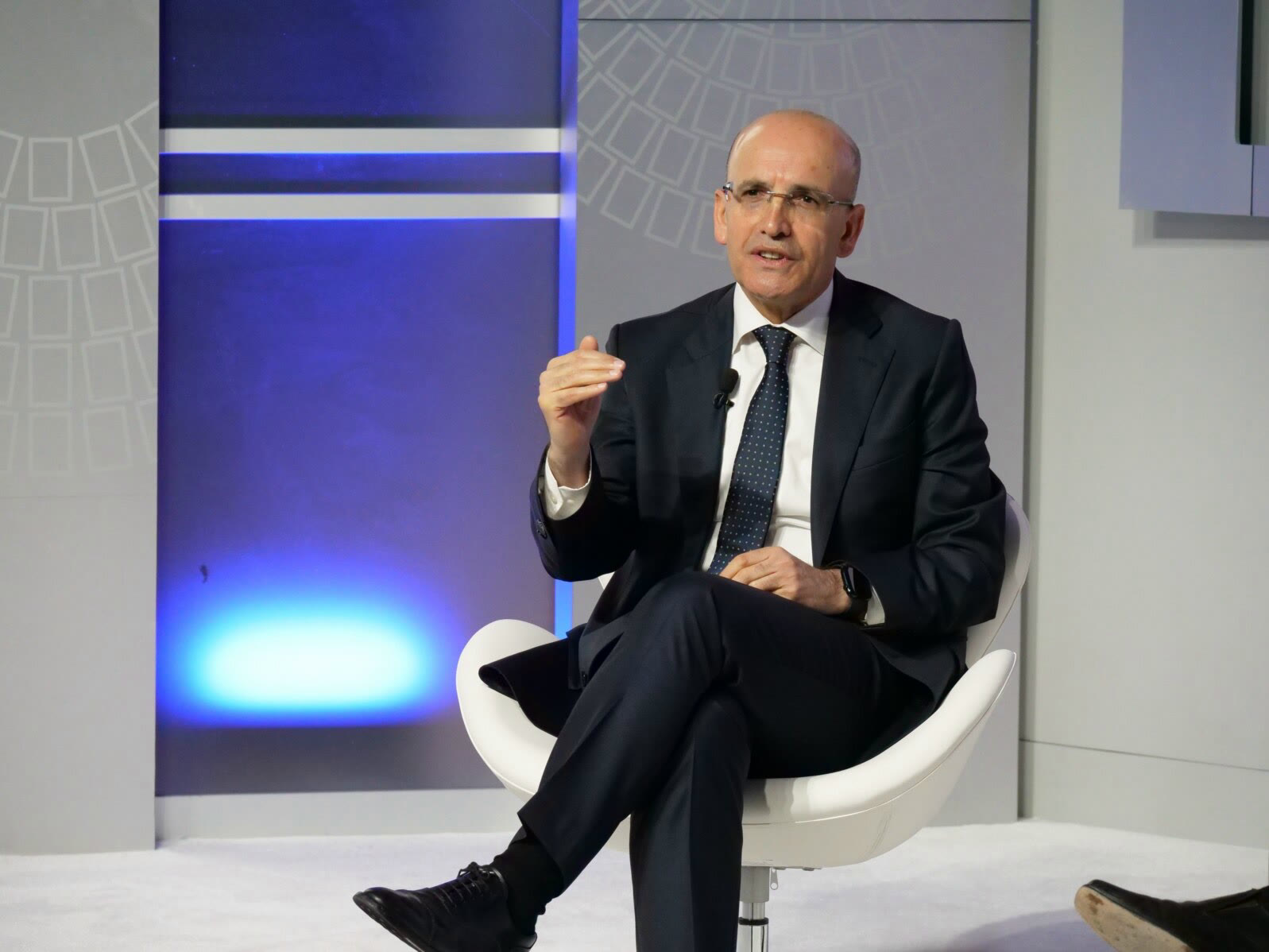
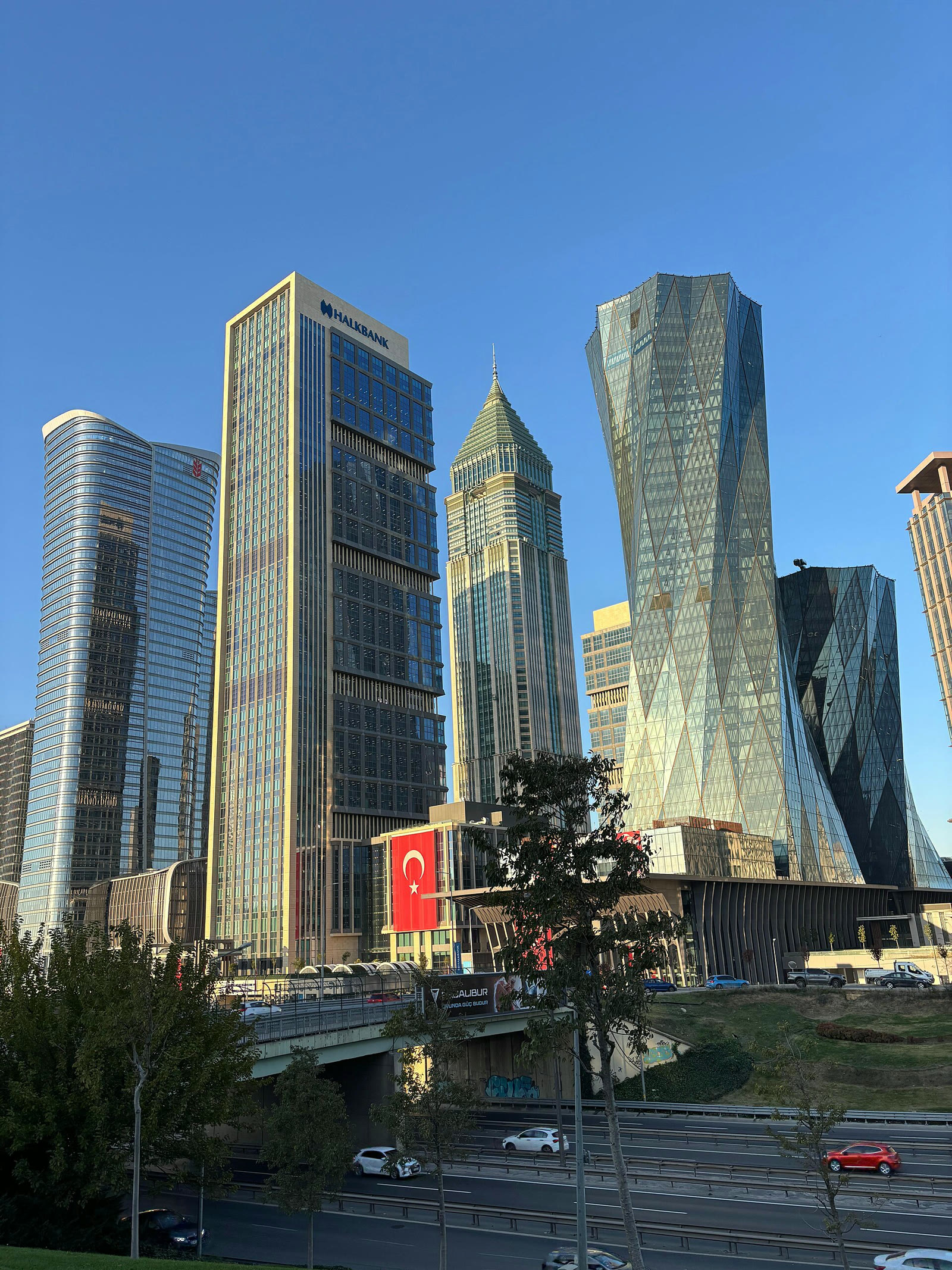
The Istanbul Economic Forum, organized by the Central Bank of the Republic of Türkiye at the Istanbul Financial Center, began with the participation of central bank governors and senior policymakers from various regions of the world. Speaking at the opening of the forum, Şimşek assessed developments in the global economy and Türkiye’s economic policies.
Emphasis on disinflation and growth
Şimşek said the disinflation process had slowed partially this year due to the effects of the war, but that there had been no retreat from the goal of price stability. He said Türkiye’s economy grew by more than 3 percent last year, when its trading partners grew by approximately 1.5 percent, and noted that average annual growth over the past 25 years had approached 5.5 percent.
Şimşek said Türkiye’s economic growth story remained strong and explained that the Central Bank was implementing quantitative tightening and selective credit tightening alongside its policy rate. He said there was also room for maneuver in fiscal policy, adding that public debt stood at approximately 22 percent of gross domestic product and the budget deficit was close to 3 percent.
Global risks and Türkiye’s approach
Şimşek said disruptions in global supply chains, rising commodity and energy prices, protectionism in trade, high indebtedness, an aging population, climate change and artificial intelligence posed significant challenges to the global economy.
Şimşek said the world was going through a period of intensified conflicts and tensions, and described Türkiye’s approach as staying away from conflicts and investing in peace. He said Türkiye prioritized macrofinancial stability, adding that the Central Bank had tightened policy and fiscal policy had also been kept relatively tight, while fiscal space was used to mitigate the effects of shocks.
Growth target for eastern and southeastern Türkiye
Şimşek said the Terror-Free Türkiye process would contribute to regional integration and prosperity in addition to its economic gains. He said the average age in most provinces in the Eastern Anatolia and Southeastern Anatolia regions was approximately 25, adding that significant investments had been made in the region’s infrastructure.
Şimşek said the time had come for the region to become Türkiye’s new growth engine, noting that its young population and infrastructure investments supported its economic potential.
Defense spending and industrial investments
Şimşek said investment in defense was necessary amid ongoing conflicts and announced that defense spending would increase by 229 percent in the 2027 budget, which will soon be submitted to the Grand National Assembly of Türkiye.
Şimşek said Türkiye had made significant investments in defense over the past 20 years, adding that Türkiye, which was among the five countries importing the most defense industry products in the world in the 1990s, was now close to entering the ranks of the 10 largest exporters. He said research and development spending on defense projects exceeded $100 billion and that approximately 1,400 product development projects were ongoing.
Transport, energy and services exports
Şimşek said Turkish Airlines was the airline flying to the largest number of destinations in the world, adding that investments to strengthen Türkiye’s connectivity were continuing. He said the Middle Corridor was being built and that the initiative was encouraging neighboring countries to invest in alternative corridors, adding that the Development Road Project was also being assessed within the same framework.
Şimşek said energy supply security was critically important and that Türkiye had long invested in pipelines for transporting natural gas, oil and other energy resources. He said the share of renewable energy in electricity generation had approached 60 percent, adding that as the host of COP31, they aimed to increase the electrification rate from 23 percent to 35 percent, thereby reducing dependence on energy imports.
Şimşek said Türkiye maintained 54 free trade agreements in force against protectionism in trade, adding that the ratification process for three agreements was continuing. He said negotiations were ongoing with Japan, Indonesia, the Gulf Cooperation Council and Canada.
Şimşek said Türkiye was competitive in services exports and that tourism revenues had increased ninefold in dollar terms over the past 25 years. He said they aimed to nearly double tourism revenues again over the next 10 years, adding that Türkiye had more than 50 internationally accredited healthcare institutions and that Turkish television series ranked third in the world in services exports.
Indebtedness and the reform agenda
Şimşek said global debt ratios were high, adding that the average debt ratio in developing countries was approximately 230 percent, compared with around 90 percent in Türkiye. He said Türkiye’s public debt-to-GDP ratio was 22 percent, noting that this indicator pointed to the existence of fiscal space.
Şimşek said Türkiye aimed to strengthen its current position through reforms, listing public procurement reform, stronger fiscal rules and governance reform for state-owned enterprises among the main areas on the agenda.
Şimşek said the young population was an advantage for Türkiye, adding that increasing women’s participation in the workforce would help close the gap with advanced economies in terms of per capita national income. He said technological infrastructure in artificial intelligence was being developed, investments in 5G+ infrastructure had been completed and fiber capacity was being expanded, adding that efforts were being made to attract investment in large-scale data centers.
Developments in fund markets
Şimşek said the situation was under control regarding developments in fund markets in recent weeks. He said these developments would contribute to creating healthier and deeper capital markets, adding that Türkiye had the policy space to take the necessary steps in a global environment vulnerable to shocks.
Investment and foreign trade targets
In his speech, Şimşek also referred to the $8 billion railway investment crossing the Bosporus in Istanbul and linking Beijing to London. He said Türkiye, which ranks second after China in the contracting sector, aimed to contribute to a regional reconstruction process that it projected would be worth at least $1 trillion over the next 10 years. Şimşek said Türkiye ranked sixth in the world in the number of international students and that nuclear power plants, including small modular reactors, were being planned to meet the energy needs of artificial intelligence. The minister also said this year’s budget deficit could have been close to 2.5 percent if fiscal space had not been used to slow the pass-through of increases in fuel prices to final products.

















