- BIST10011,117-0.92%
- USD49.63+0.05%
- EUR55.70+0.05%
- GOLD4,010.00-1.24%
- INTEREST36.00%-1.00
- BITCOIN81,365+0.06%
- October 23, 202616°
- BIST10011,117-0.92%
- USD49.63+0.05%
- EUR55.70+0.05%
- GOLD4,010.00-1.24%
- INTEREST36.00%-1.00
- BITCOIN81,365+0.06%
- October 23, 202616°
Personalized mRNA cancer vaccine cuts two-year melanoma recurrence risk by 42%
Moderna and Merck's personalized mRNA vaccine intismeran, tailored to each patient's tumor, reduced the two-year recurrence risk in patients with surgically treated high-risk melanoma by 42%.
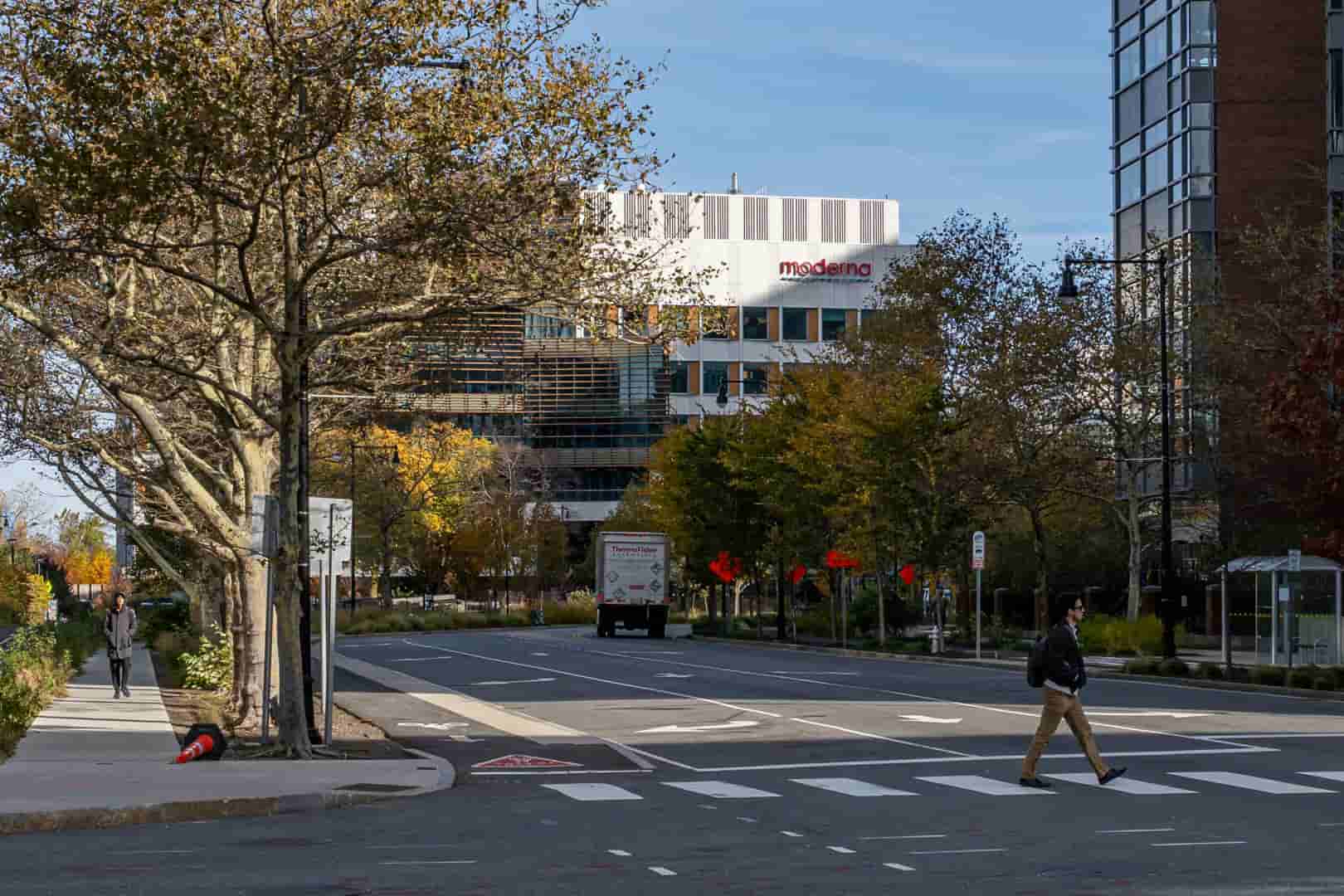
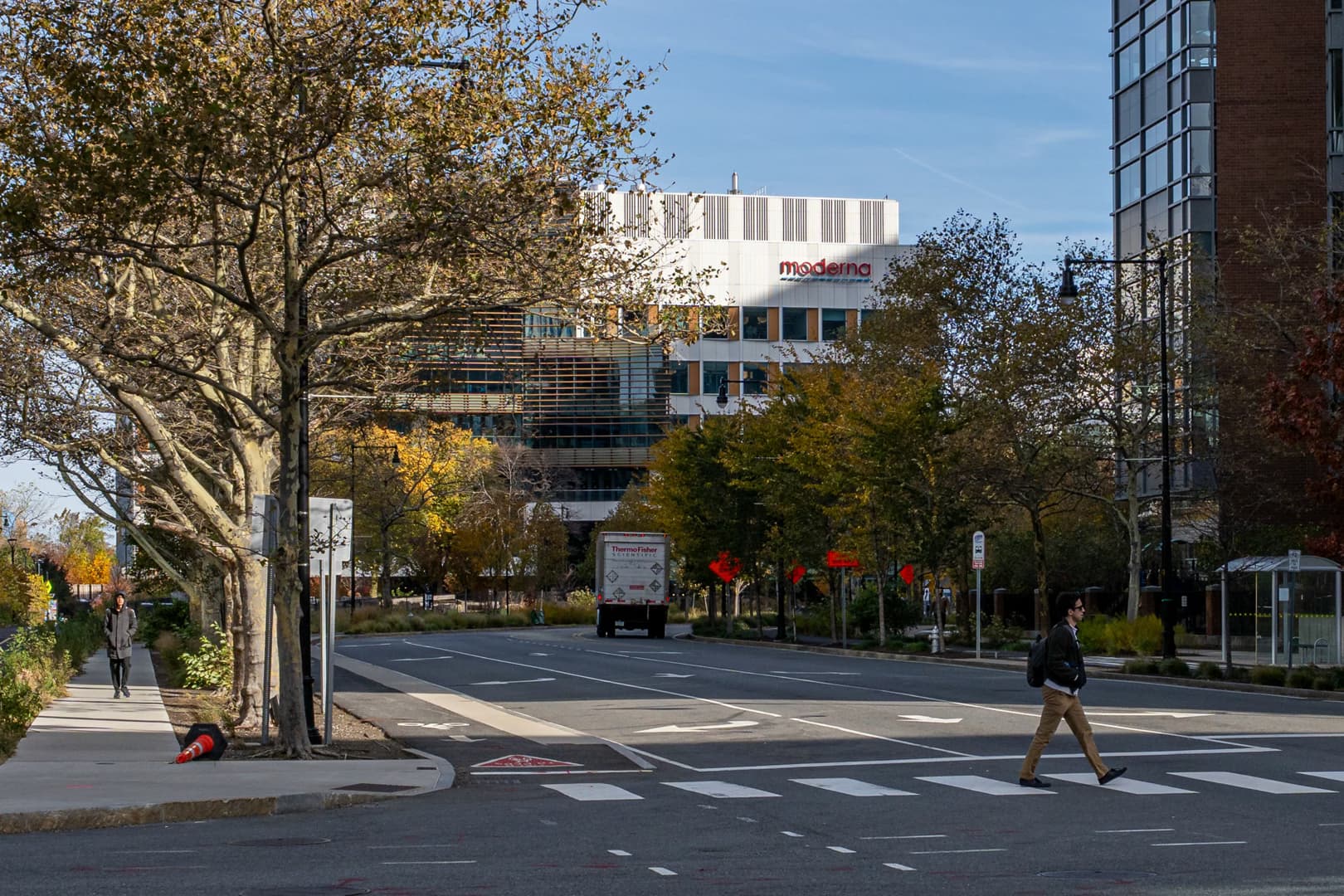
Moderna and Merck announced the results of a late-stage clinical trial of intismeran, a personalized mRNA cancer vaccine. In patients with high-risk melanoma whose tumors had been surgically removed, the vaccine added to standard treatment reduced the risk of the disease returning within two years by 42%.
More than 1,100 patients took part in the trial. All participants received Merck's immune therapy Keytruda as standard postoperative treatment; one group also received the vaccine, while the other received a placebo. After two years, the disease had not returned in 82% of patients in the vaccine group, compared with 70% of those who received Keytruda alone.
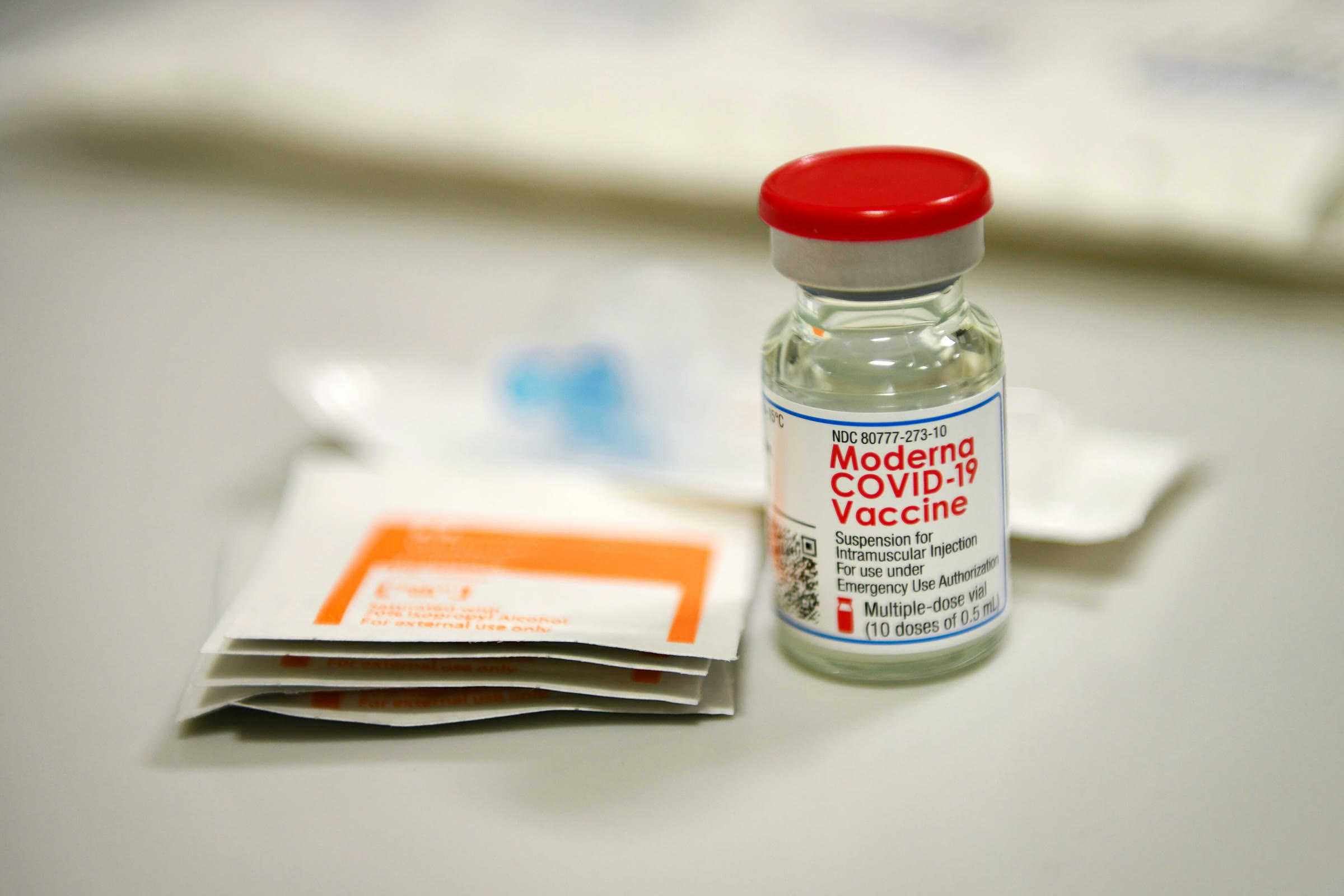
Each vaccine is made from mutations specific to the patient's tumor and trains the immune system to attack the altered proteins produced by those mutations. The vaccine is administered in nine doses given three weeks apart. The process takes about six weeks, from genetic analysis of the tumor to preparation of the vaccine. The same mRNA technology was also used in COVID-19 vaccines.
Dr. Hussein Tawbi of MD Anderson Cancer Center, one of the study's researchers, said, "The field was expecting a victory, and I think this is a major victory." Tawbi said most side effects were reactions similar to those seen with COVID-19 vaccines, such as arm pain and fatigue. The companies are in talks with regulatory authorities for approval; the vaccine's price has not yet been announced.
The detailed results will be presented at the European Society for Medical Oncology's (ESMO) meeting in Madrid. Personalized mRNA vaccines are also being tested in lung, kidney and pancreatic cancers.
Have a story, event or announcement of your own?Send us your news on WhatsApp
Spotted an error in this story?Report it on WhatsApp
Share on all social platforms
Sponsored Ads
Featured Listings
Loading featured properties...
Stay Updated with The Turkiye Times
Subscribe to be informed about special news, developments and announcements. We will keep you informed.
By signing up, you agree to our Privacy Policy