- BIST10012,151-0.94%
- USD49.220.00%
- EUR55.21+0.28%
- GOLD4,192.30-0.57%
- INTEREST37.00%-1.00
- BITCOIN82,747-1.11%
- October 12, 202619°
- BIST10012,151-0.94%
- USD49.220.00%
- EUR55.21+0.28%
- GOLD4,192.30-0.57%
- INTEREST37.00%-1.00
- BITCOIN82,747-1.11%
- October 12, 202619°
Scientists develop local anesthetic that lasts weeks instead of hours
Boston Children's Hospital researchers used redesigned liposomes loaded with pufferfish toxin to extend local anesthesia in rats from 4-8 hours to two to three weeks.


Researchers at Boston Children's Hospital and Harvard Medical School have developed a new local anesthetic approach whose effect can last weeks instead of hours.
The study, led by Yuan Wang and Daniel S. Kohane, was published on September 23 in Nature Biomedical Engineering. The team redesigned liposomes, microscopic carriers made of fatty molecules, so that they release a numbing drug far more gradually.
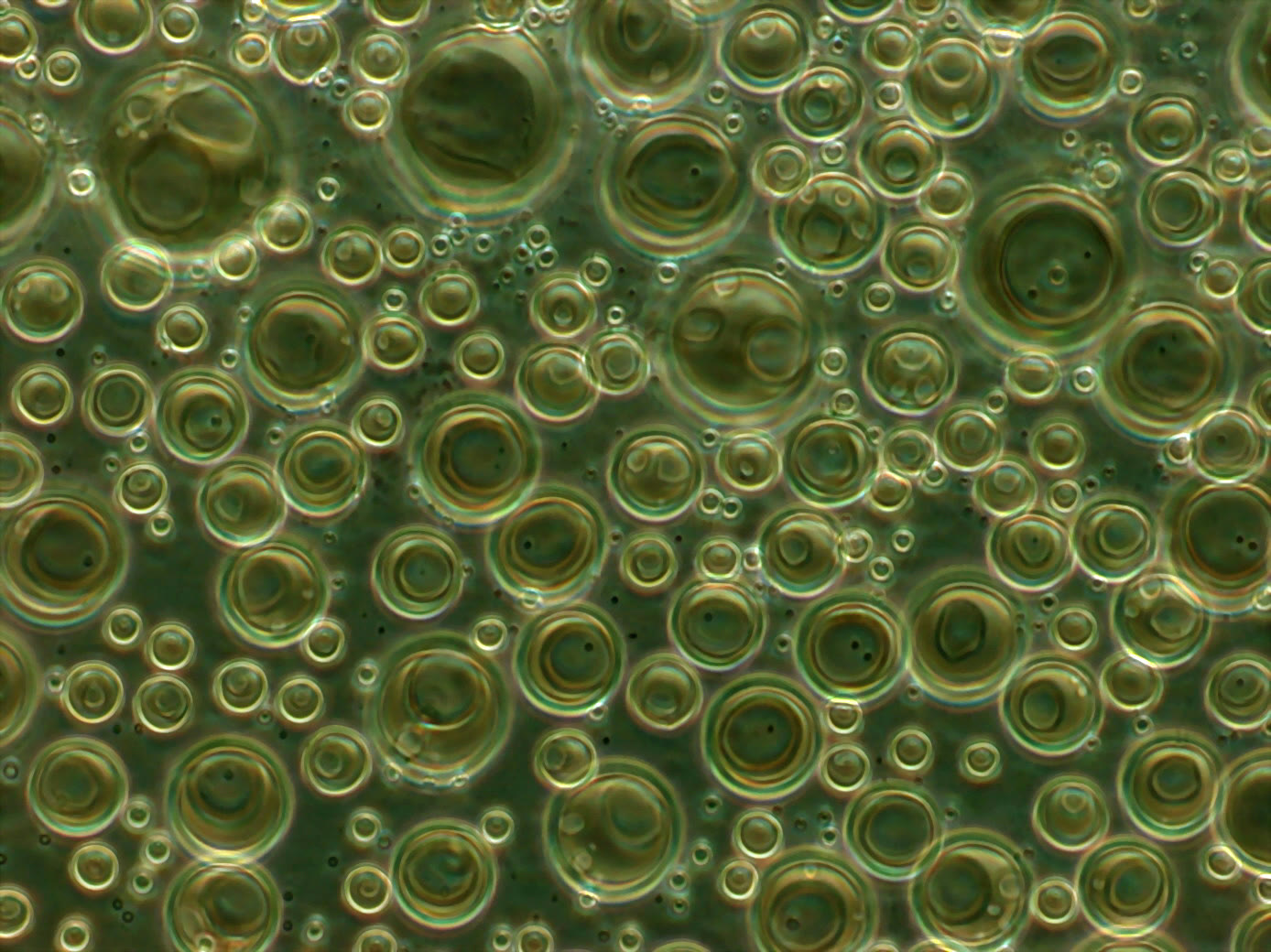
The researchers found that more fluid lipids form multi-compartment structures that slow the escape of water-soluble drugs. "The more fluid membranes may form concentric spheres that are like onions with many layers," Wang said.
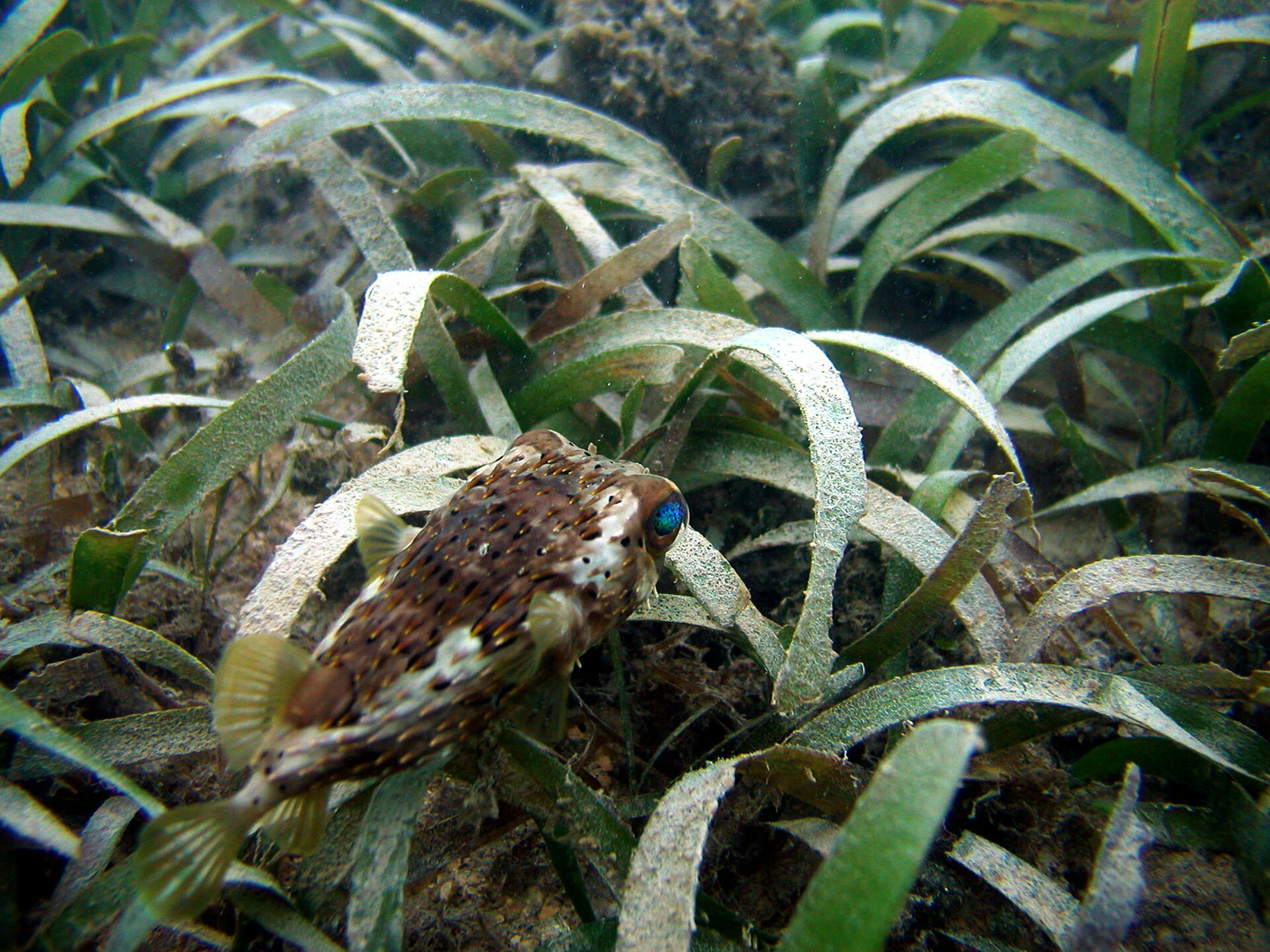
The carriers were loaded with tetrodotoxin, a powerful neurotoxin found in pufferfish and blue-ringed octopuses. Injected near a nerve in rats' legs, the formulation sustained local anesthesia for two to three weeks, compared with about four to eight hours for a commercial formulation, with no toxicity at the injection site or elsewhere in the body.
"This extended-release combination could be used for longer term perioperative pain instead of opioids and we are starting to consider using these potentially for chronic pain, as well," Kohane said. Tetrodotoxin is not yet used as a commercial local anesthetic in humans, and further research is needed to show its safety and efficacy in people.
Stay Updated with The Turkiye Times
Subscribe to be informed about special news, developments and announcements. We will keep you informed.
By signing up, you agree to our Privacy Policy















