- BIST10011,024+0.56%
- USD50.00+0.05%
- EUR55.95-0.09%
- GOLD4,008.90+1.74%
- INTEREST36.00%-1.00
- BITCOIN77,769+0.56%
- November 4, 202615°
- BIST10011,024+0.56%
- USD50.00+0.05%
- EUR55.95-0.09%
- GOLD4,008.90+1.74%
- INTEREST36.00%-1.00
- BITCOIN77,769+0.56%
- November 4, 202615°
Scientists find blood-cell traces in 115-million-year-old dinosaur bone
Scientists detected mineralized structures believed to be red blood cells and chemical traces associated with blood in the leg bones of a 115-million-year-old dinosaur found in Brazil.


An international team led by Curtin University in Australia found chemical traces associated with blood in the leg bones of a dinosaur dating back approximately 115 million years. The study, published in the journal Proceedings of the National Academy of Sciences (PNAS), strengthens the view that these structures are mineralized red blood cells.
The researchers examined the bones of Aratasaurus museunacionali, a carnivorous dinosaur found in northeastern Brazil. They identified numerous elliptical microstructures inside channels through which blood vessels once passed.
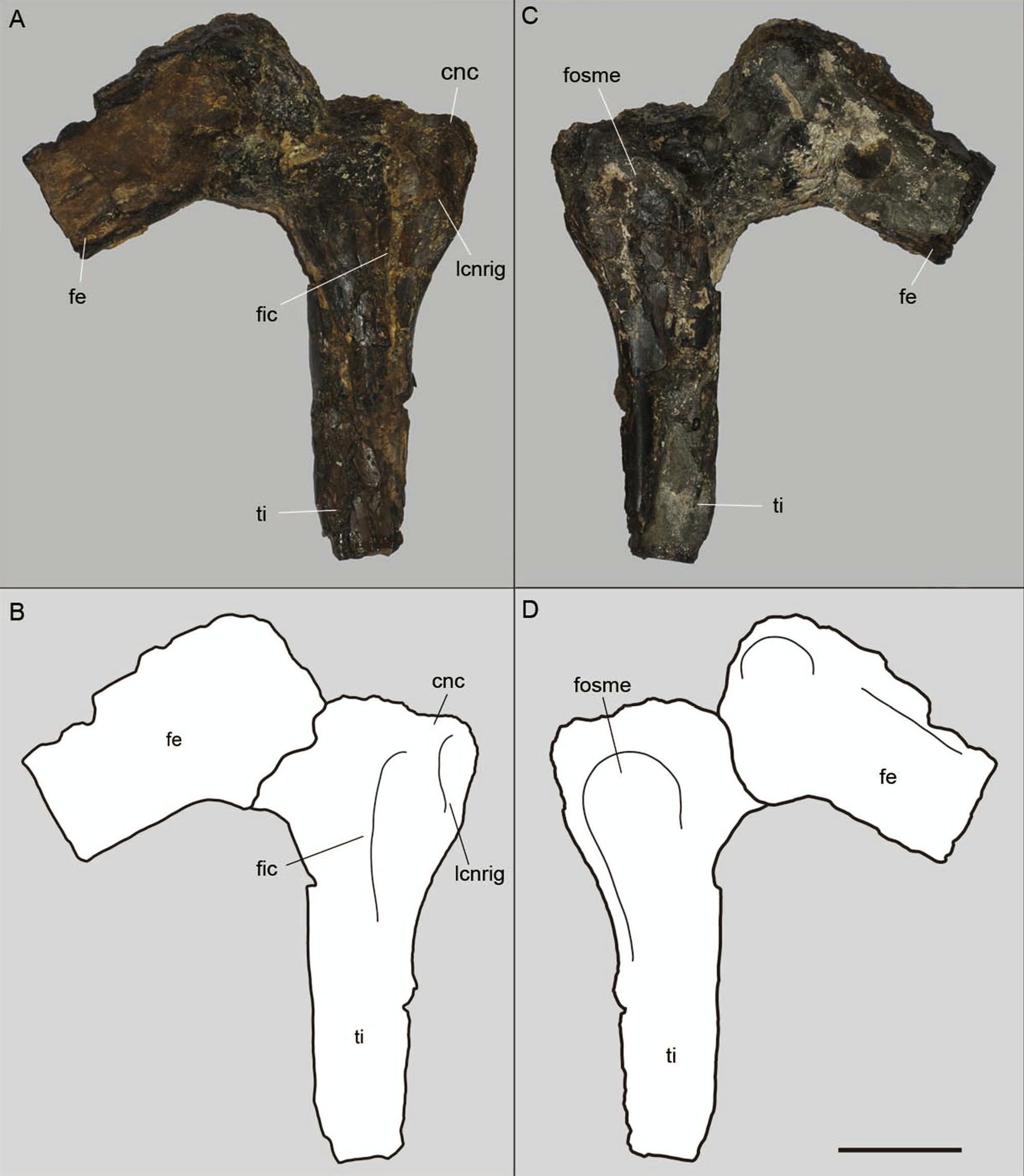
The team analyzed samples taken from the bones using mass spectrometry, identifying the heme molecule associated with hemoglobin, which carries oxygen in the blood, along with forms of the molecule altered during fossilization. The scientists emphasized that a cell-like shape alone was not enough to prove a biological origin and that chemical findings had to support this interpretation.
The researchers said the finding was not blood preserved in its living form, but evidence of remnants left behind by blood. The study offers a new contribution to research on molecules preserved in fossil bones.
Have a story, event or announcement of your own?Send us your news on WhatsApp
Spotted an error in this story?Report it on WhatsApp
Share on all social platforms
Sponsored Ads
Featured Listings
Loading featured properties...
Stay Updated with The Turkiye Times
Subscribe to be informed about special news, developments and announcements. We will keep you informed.
By signing up, you agree to our Privacy Policy