- BIST10010,955+1.81%
- USD49.86+0.15%
- EUR55.82+0.52%
- GOLD3,954.40+1.42%
- INTEREST36.00%-1.00
- BITCOIN77,748-0.62%
- November 2, 202620°
- BIST10010,955+1.81%
- USD49.86+0.15%
- EUR55.82+0.52%
- GOLD3,954.40+1.42%
- INTEREST36.00%-1.00
- BITCOIN77,748-0.62%
- November 2, 202620°
Cyberattack suspected at supermarkets in Belgium, Luxembourg and Sweden after food was discarded
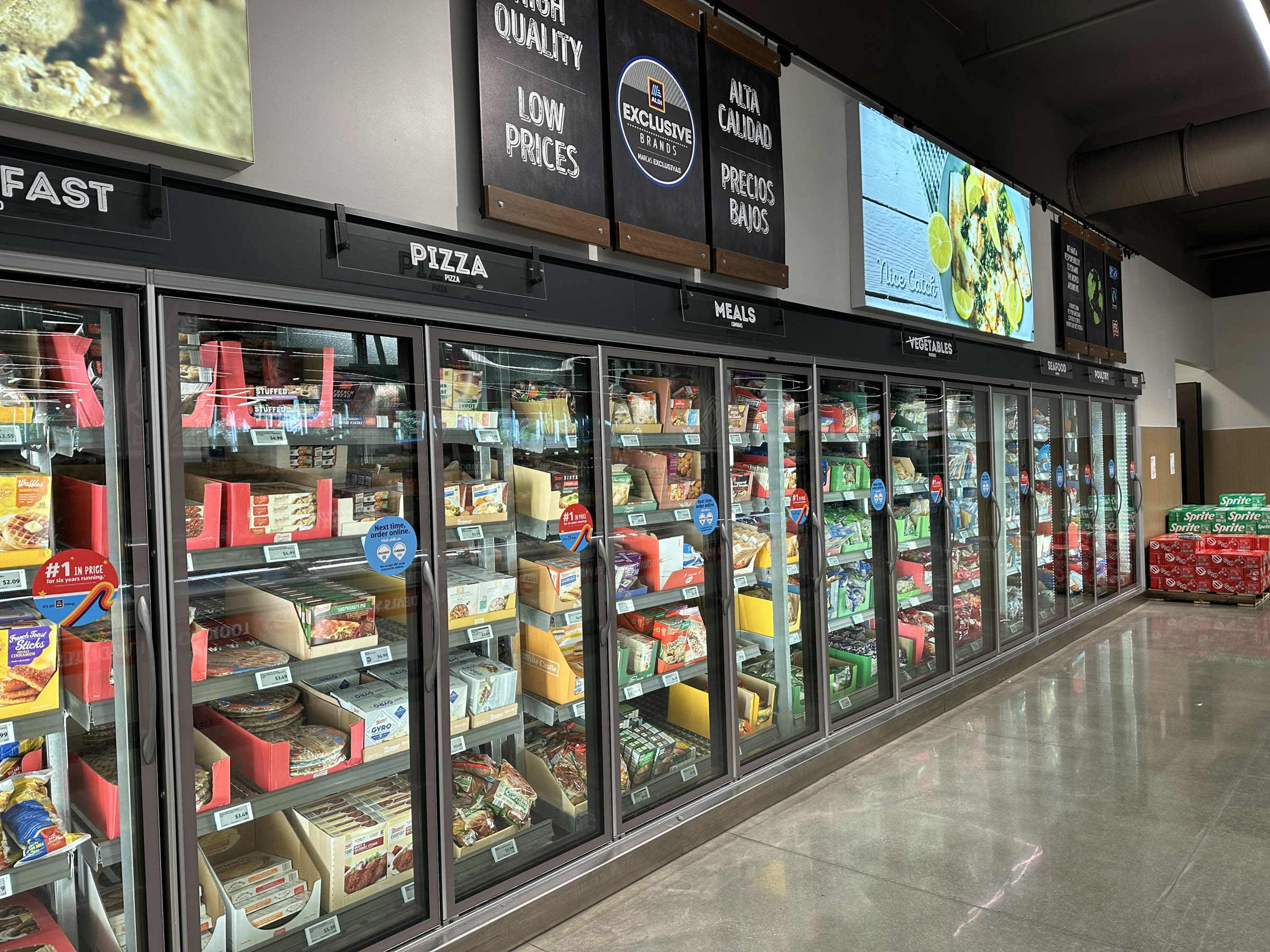
The temperatures of refrigerators and freezers at dozens of supermarkets in Belgium, Luxembourg and Sweden were remotely raised overnight, resulting in the disposal of food worth millions of euros. The incident followed similar attacks that hit hundreds of stores in France last month.


Refrigerators and freezers at dozens of supermarkets in Belgium, Luxembourg and Sweden were disabled in an incident suspected to be a cyberattack on Sunday night. Food worth millions of euros was discarded, while some store managers said the temperature of the refrigeration units suddenly rose to as high as 50 degrees. The incident followed similar attacks that affected hundreds of stores in France last month.
Delhaize, one of Belgium’s largest supermarket chains, confirmed that an “IT incident” had affected refrigeration systems at around 40 of its stores in Belgium and Luxembourg. The company said it had immediately disconnected the stores’ refrigeration systems from the internet. Store managers received warning messages at around 4 a.m. about the sudden rise in temperatures. A Delhaize branch in Hoeilaart said it had lost products worth 100,000 euros. Carrefour said 15 of its stores in Belgium were affected and that immediate measures had been taken to keep them open.
In Sweden, a small number of stores belonging to the ICA chain and seven branches of Coop, which has 800 stores, were affected. An ICA store in Sjöbo, in the south of the country, said its refrigerators and freezers had been taken over during the night and their temperatures set to 50 degrees. Coop said the situation was under control. BBC reported that 13 SuperValu stores in Ireland were also affected.
Belgium’s and Sweden’s national cybersecurity agencies said they were monitoring the incident. It is not yet known who was behind the attack. Delhaize said it was investigating whether the incident was connected to a cyberattack the company reported to police in the Netherlands last month.
In mid-October, hundreds of stores belonging to chains including Intermarché, E.Leclerc, Netto and Coopérative U in France were targeted in similar attacks. Politico reported that the attackers remotely altered the defrost mechanism in supermarket refrigeration units made by Danish manufacturer Danfoss, causing the devices to overheat. It has not yet been confirmed whether the attacks in Belgium, Luxembourg and Sweden were connected to those in France or used the same vulnerabilities.
Have a story, event or announcement of your own?Send us your news on WhatsApp
Spotted an error in this story?Report it on WhatsApp
Share on all social platforms
Sponsored Ads
Featured Listings
Loading featured properties...
Stay Updated with The Turkiye Times
Subscribe to be informed about special news, developments and announcements. We will keep you informed.
By signing up, you agree to our Privacy Policy