Samsun University Rector Prof. Dr. Mahmut Aydın assessed TEKNOFEST’s contribution to the talent pool being developed in line with Türkiye’s goal of technological independence. Aydın said the festival was not merely an event showcasing technological products, but a long-term investment in human resources that is changing young people’s perspective on technology.
Aydın said the TEKNOFEST generation was focusing on Türkiye’s ability to design and produce critical technologies rather than viewing external procurement as the only option. He described this shift as a transformation in confidence, marking a move from a consumer society to a producer society and advancing technological independence.
KIZILELMA and the technological vision
Aydın presented the concept of Kızılelma as an ideal in Turkish thought that gives rise to new goals as each one is reached. He also regarded Türkiye’s decision to give this name to its unmanned fighter aircraft as a reflection of that understanding.
Aydın said KIZILELMA made its first flight in 2022, carried out an autonomous strike against a beyond-visual-range target in 2025 and performed an autonomous close formation flight with two unmanned fighter aircraft. He said the aircraft had reached the stage of entering the inventory as of 2026.
Rector Aydın argued that the engineering culture behind KIZILELMA’s development was nurtured by young people growing up with the belief that “we can do this too.” He said TEKNOFEST was one of the platforms with the broadest reach for this culture.
TEKNOFEST’s role in developing talent
Aydın defined the National Technology Initiative as the determination to transform Türkiye from a country that buys critical technologies from abroad into one that designs, produces and exports them. He stressed that this transformation would be possible not only through strategies, but also by raising a generation capable of producing technology.
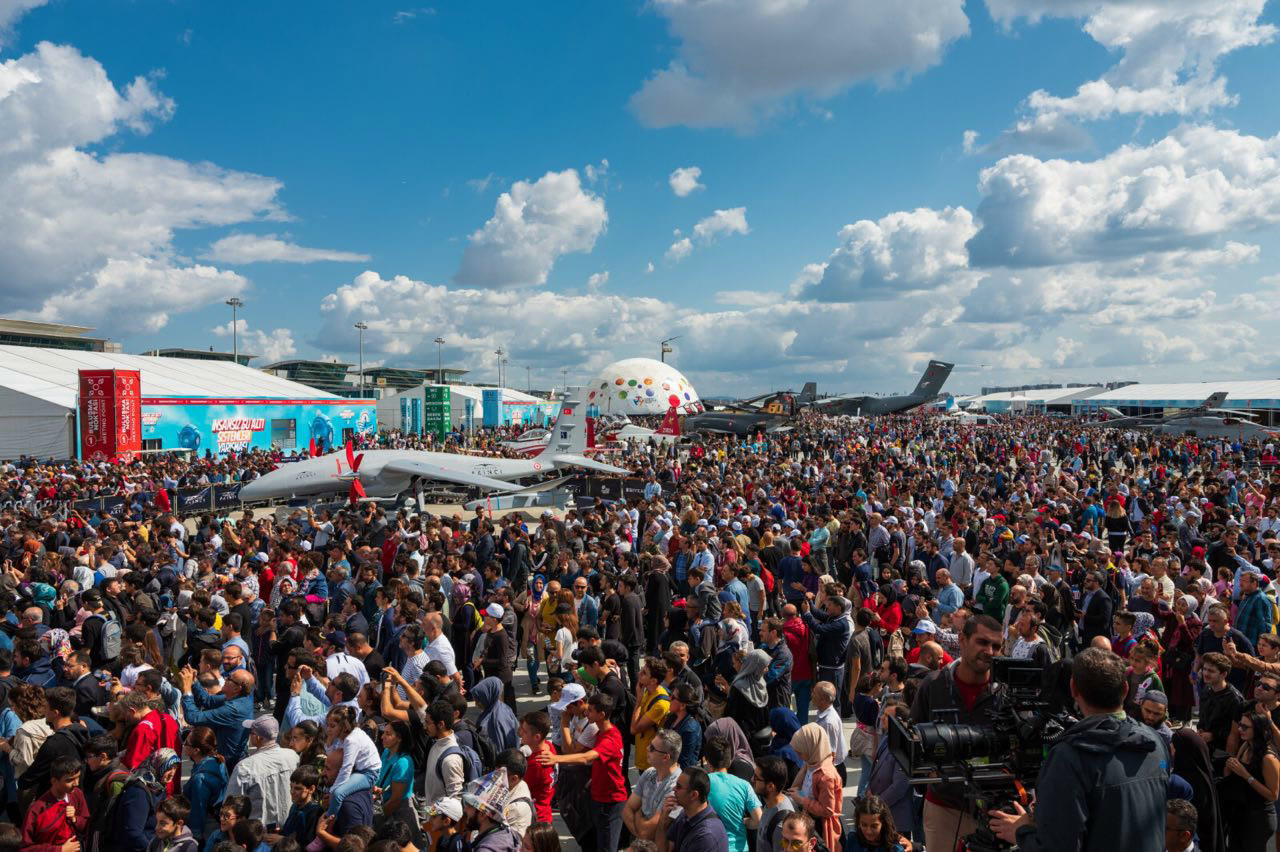
Aydın said TEKNOFEST, which began as a festival in 2018, had gradually evolved into the talent-development infrastructure of this initiative. He said 1.6 million contestants and 730,000 teams from 81 provinces and 97 countries applied for the 2026 competitions across 54 fields.
Aydın said young people at the competitions were not merely watching rockets, unmanned aerial vehicles, electric vehicles and artificial intelligence applications; they were designing, coding, building and testing these systems. He said the process of trying again after failed tests gave young people the sense that “I can do this.”
Spreading a project culture across Anatolia
Rector Aydın said TEKNOFEST’s second major achievement was the spread of a project culture. He wrote that students who identify a problem, form a team, design a solution and test the outcome move beyond passively receiving information and take on the role of producing knowledge.
Aydın said the festival’s planned organization in Şanlıurfa in 2026 showed that this culture was spreading to different parts of Anatolia. He said the National Technology Initiative should reach the entire country rather than remain limited to a few centers.
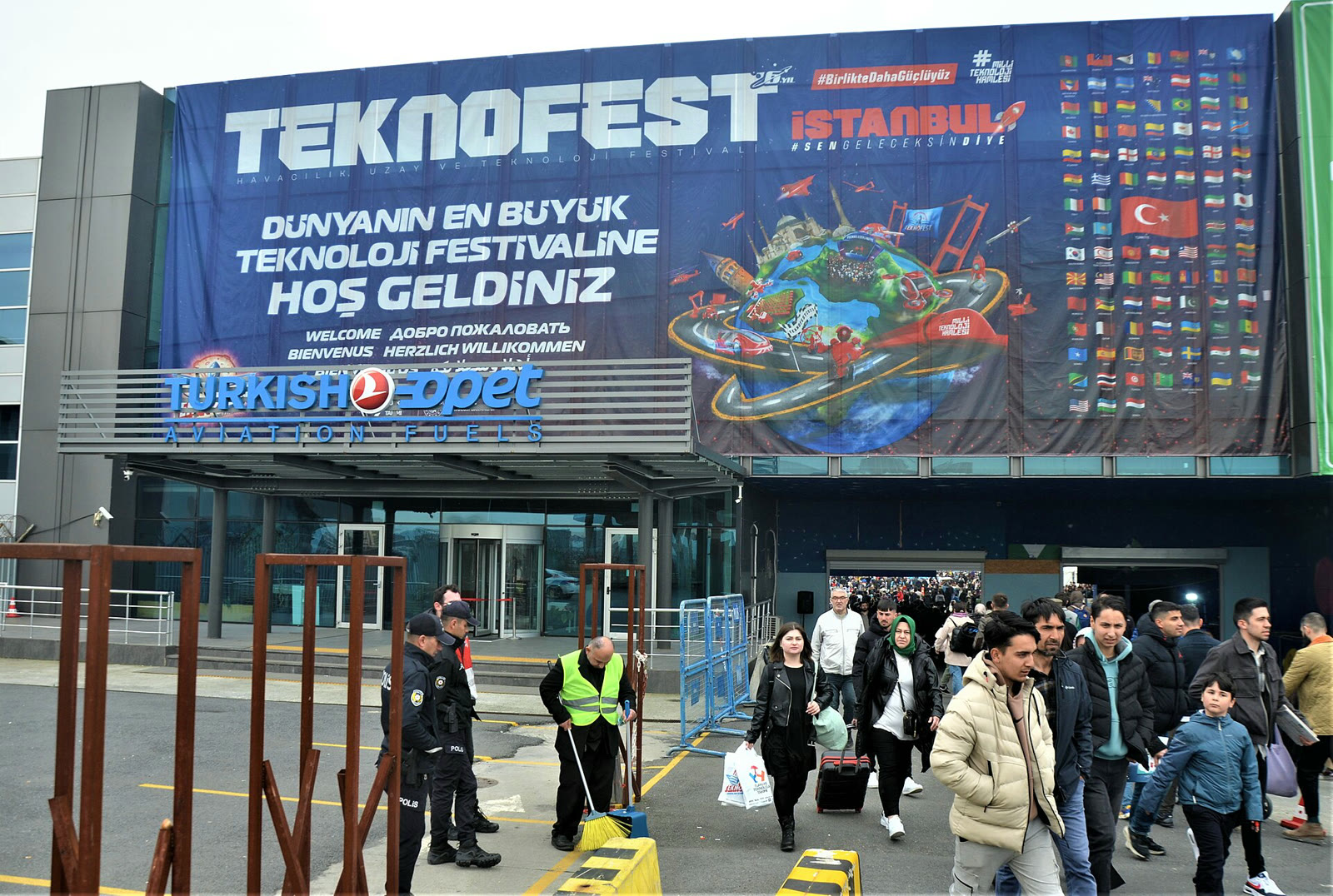
Aydın said teams from newly established Anatolian universities had taken part in the competitions from the first festivals onward, and that some teams had achieved rankings with rockets they developed in a short time. He said these achievements later spread to electric vehicle, Hyperloop, unmanned aerial vehicle, artificial intelligence and jet engine teams.
Aydın said it had become commonplace for hundreds of teams from a single campus to participate in the competitions. He said teams from these campuses achieved first-place finishes and podium rankings for Türkiye in various categories at the 2026 competitions. He added that the system that won first place in the Combat UAV category was backed by tens of thousands of lines of original code and numerous flight tests.
From rankings to lasting capacity
Aydın said a competition ranking was the visible outcome, while the real gain lay in students’ abilities to solve problems, manage resources, make decisions under pressure and start again after failure. He said many young people from the first TEKNOFEST generation were working in research and development and production at defense industry and aviation companies.
Aydın argued that team mentorship needed to be recognized in academic incentive and promotion criteria for this potential to become lasting capacity. He proposed that TEKNOFEST projects be recognized as graduation projects, internships and course credits. He also said it was important to direct ranked projects toward technopark incubation programs and industry partnerships.
Aydın wrote that the National Technology Initiative would grow stronger as young people who build prototypes became entrepreneurs capable of establishing companies. He said the issue was not for every young person to build a rocket or an unmanned aerial vehicle, but to raise a generation capable of contributing to solutions to the problems it encounters.
Aydın assessed that TEKNOFEST’s effects would become more visible in the science and industry ecosystem over the next 10 to 20 years. He said rocket and unmanned aerial vehicle projects that began on the campuses of Anatolian universities were creating the social foundation for technological goals extending to Kızılelma.



















