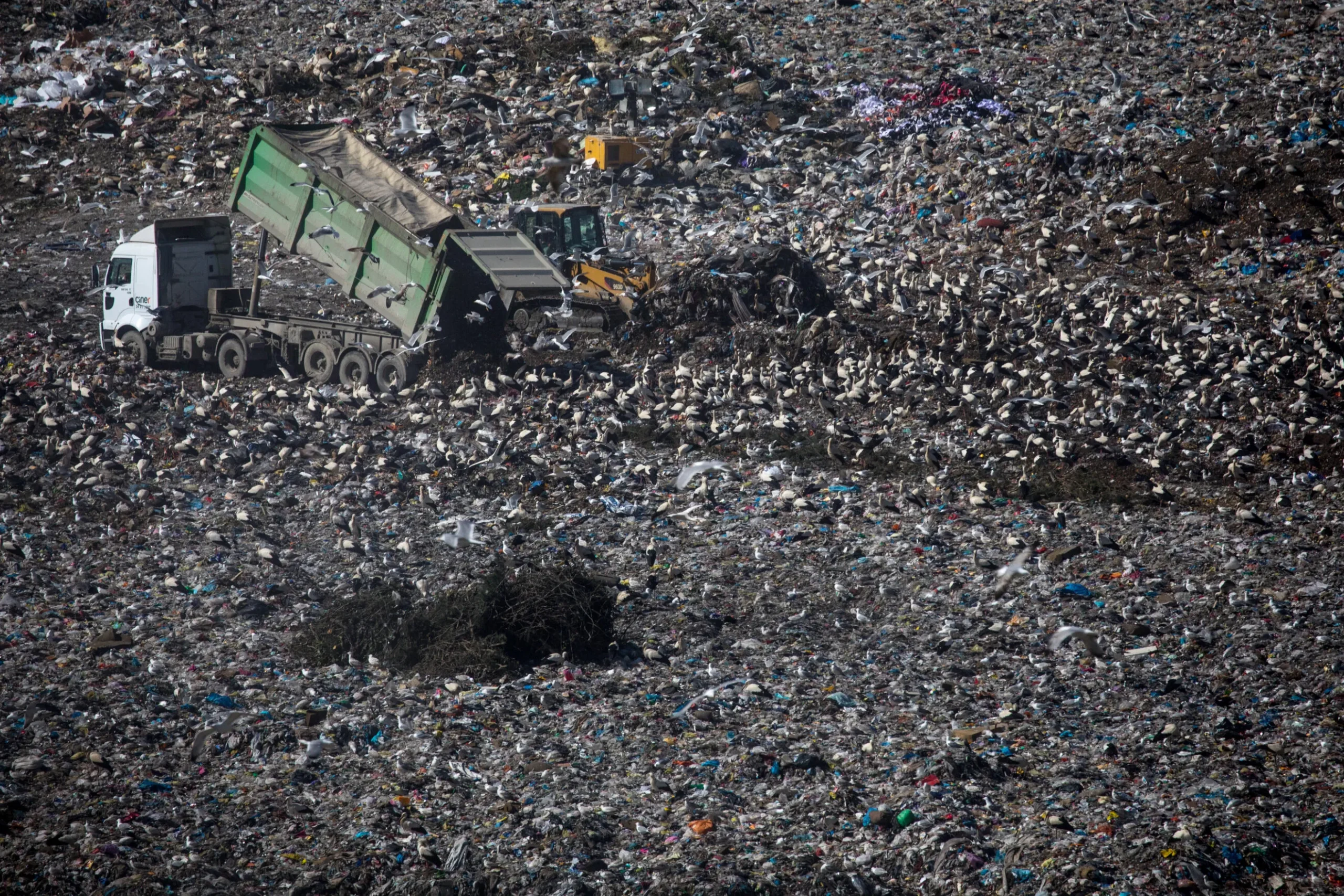
Waste shipments from European Union member states to Türkiye are allowed to continue under existing oversight mechanisms. Under the European Commission’s framework on waste shipments, Türkiye stands out as one of the main destinations for EU waste, while environmental and public health debates over plastic waste management continue.
New regulation tightens oversight requirements
The EU’s new Waste Shipments Regulation entered into force on May 20, 2024. The regulation requires waste sent outside the EU to be managed in an environmentally sound manner and recipient countries to demonstrate that they have the capacity to process it. The rules aim to reduce the risks of cross-border shipments to the environment and public health.
The new regime takes a stricter approach to plastic waste shipments destined for non-OECD countries. The export of plastic waste to these countries is scheduled to be banned from November 21, 2026. Because Türkiye is an OECD member, the direct ban does not apply to it; shipments to Türkiye are instead monitored through oversight, requests for information and, when necessary, mechanisms for suspending shipments.

Conditions envisaged for Türkiye
Under the framework outlined by Türkiye’s Ministry of Trade, processing plastic waste in an environmentally sound manner is among the key conditions. Imported waste must not disrupt the processing of domestic waste in Türkiye, must not be re-exported to third countries, and the facilities handling it must be inspected regularly.
Monitoring of certain types of waste began on May 20, 2024. If a sudden increase in shipments is observed, the country concerned may be asked to provide information and documents demonstrating that the waste is being processed in an environmentally sound manner. Rather than simply allowing shipments to continue, this framework emphasizes the control conditions to be applied when waste is accepted and processed.
Debate over the recycling rate
The figure suggesting that only 10 percent of plastic waste can be recycled is presented not as an official statistic released by the European Commission, but as an estimate by some stakeholders. Because it is unclear which types of waste, period and methodology the estimate covers, the figure cannot be treated as definitive recycling data.
At the center of the debate is how much of the imported plastic is actually recycled and how the non-recyclable portion is managed. The possibility that this portion could be burned, stored or released into the environment makes it important to monitor the effectiveness of oversight, facility capacity and pressure on waste management systems.
History of the shipments
Türkiye became one of the EU’s main destinations for waste exports in 2020. In December 2020, Türkiye announced a ban on imports of mixed plastic from 2021 onward, introducing a significant restriction in its plastic waste policy. Rather than halting shipments entirely to OECD member countries such as Türkiye, the EU’s new regulation dated 2024 governs them through environmental compliance and oversight requirements.
As a result, the continuation of waste flows to Türkiye shows that the country’s position in Europe’s waste system remains in place, while also increasing its responsibility regarding recycling capacity and oversight practices. While the European Commission requires the protection of the environment and public health, facility inspections, preventing re-exports and protecting the processing of domestic waste will be decisive for implementation in Türkiye.