- BIST10011,165+0.13%
- USD49.79+0.05%
- EUR55.52-0.41%
- GOLD4,056.80-0.44%
- INTEREST36.00%-1.00
- BITCOIN80,402-0.49%
- October 28, 202617°
- BIST10011,165+0.13%
- USD49.79+0.05%
- EUR55.52-0.41%
- GOLD4,056.80-0.44%
- INTEREST36.00%-1.00
- BITCOIN80,402-0.49%
- October 28, 202617°
Two high-speed trains collide in Spain, killing at least 46
Two passenger trains collided on the Madrid-Seville high-speed rail line between Urda and Los Yébenes in Spain’s Toledo province. At least 46 people died and many others were injured, at least 50 of them seriously. Initial findings point to an incorrect movement authorization issued after a signaling failure.
The Turkiye Times Editorial DeskUpdated:
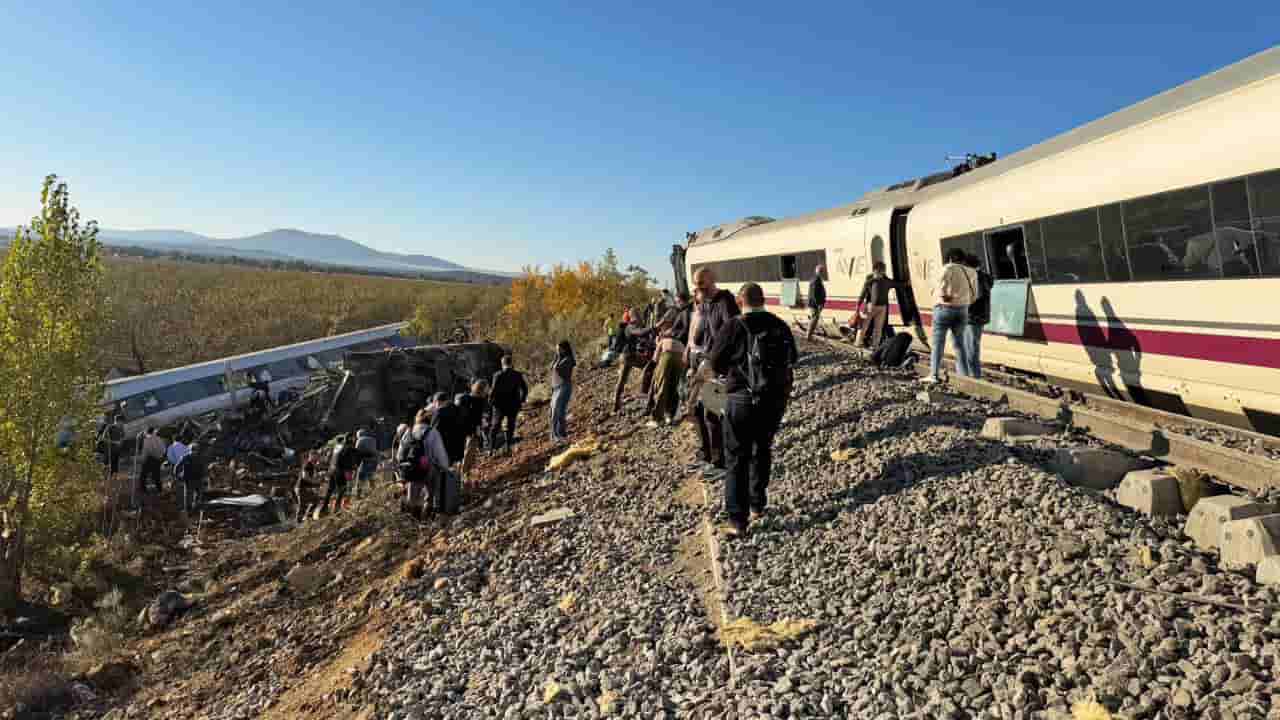
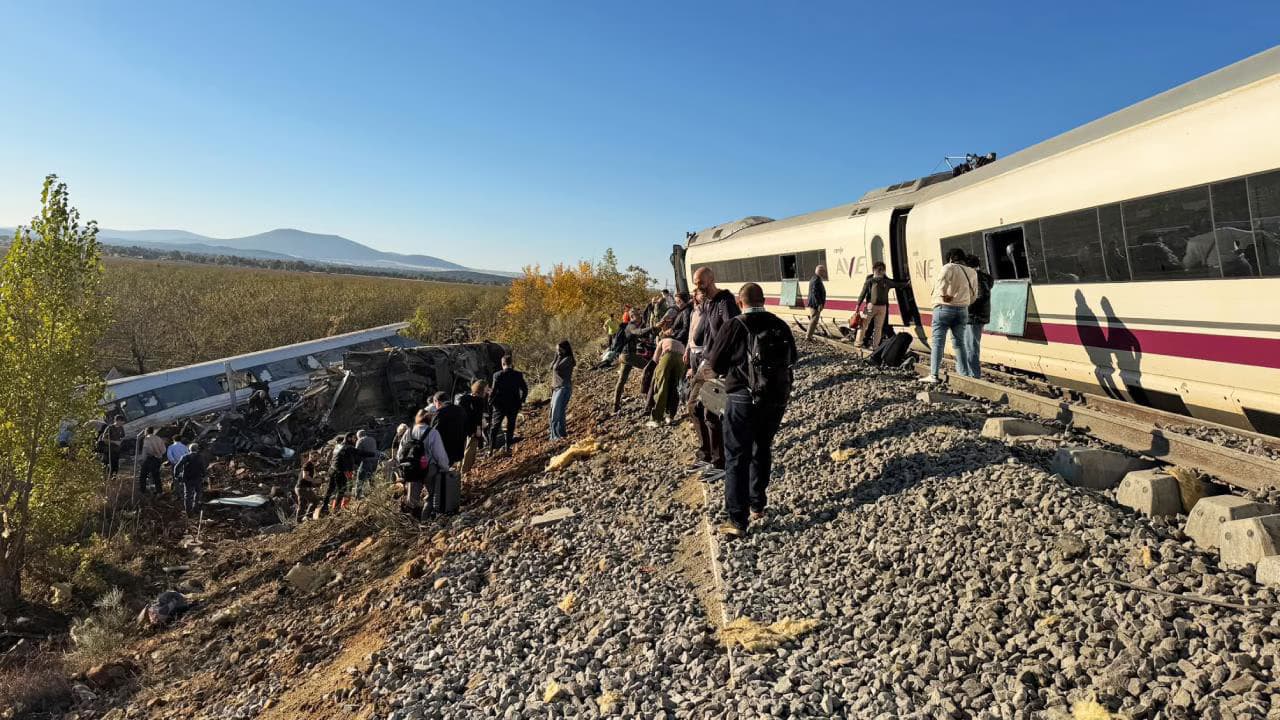
Two passenger trains collided on the Madrid-Seville high-speed rail line between Urda and Los Yébenes in Spain’s central Toledo province. According to the latest figures released by authorities, at least 46 people died in the crash and many others were injured, at least 50 of them seriously.
The crash occurred at 8:54 a.m. local time between Renfe state railway’s AVE service 2080 and private operator Iryo’s service 6076. The AVE train was carrying 393 passengers, while the Iryo train had 147 passengers, including a baby. Initial information indicates that one of the trains traveling in the same direction rear-ended the other, which was stopped on the track, causing two carriages to derail.
How did the crash happen?
Initial findings reported by El País indicate that a technical failure occurred in the line’s signaling system, bringing the trains to a stop. After the safety system was switched to manual control, an operator at the control center in Madrid is believed to have mistakenly authorized the other train to move despite a train being stopped on the track.
Infrastructure operator Adif said the cause of the crash had not yet been determined. The Orgaz Court will conduct the investigation, and the line’s LZB automatic train control system is also under examination.
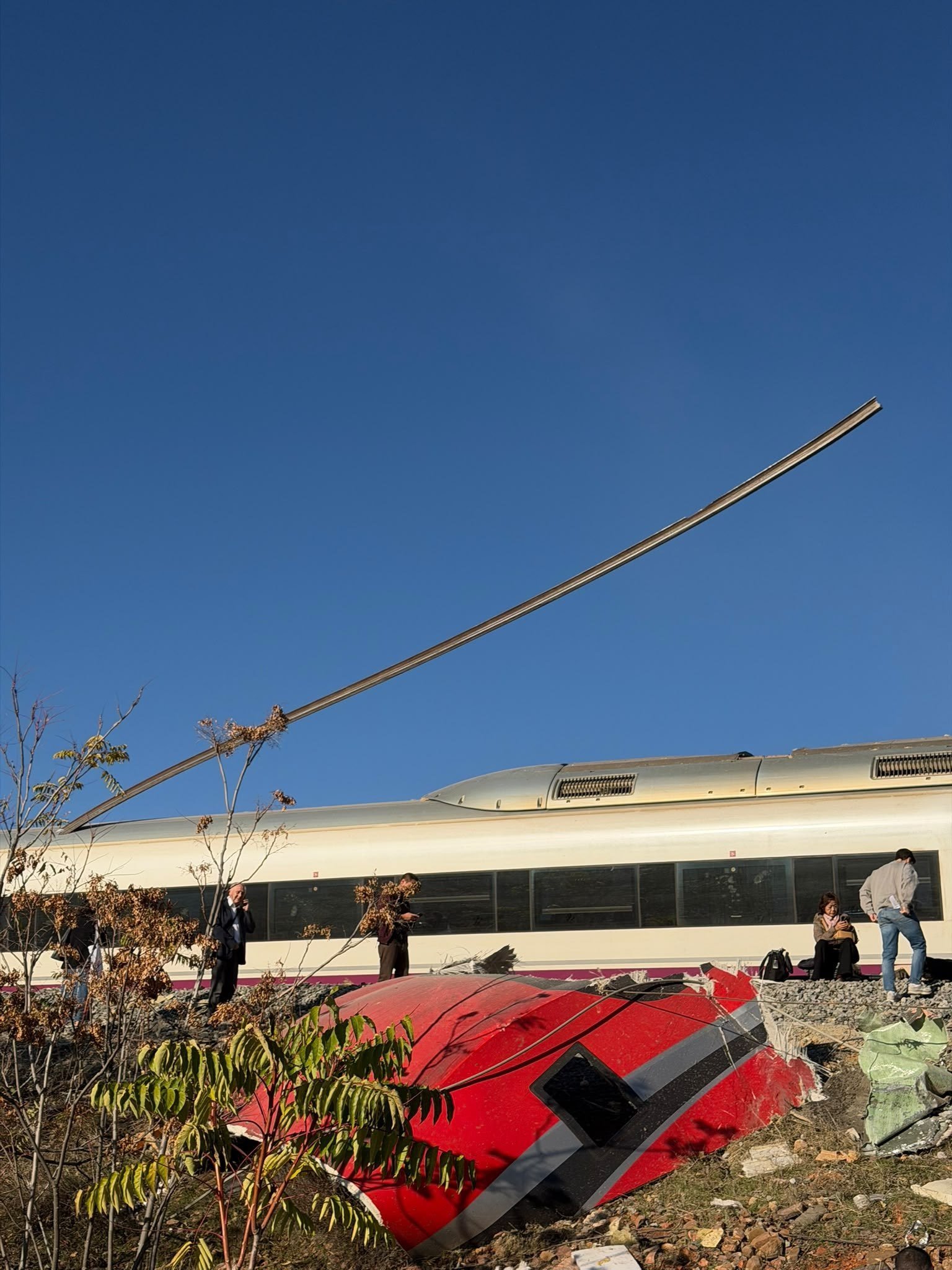
A rail pierced a carriage
Footage from the crash site showed that a rail torn loose by the force of the collision pierced a carriage and passed through it. Aerial images showed carriages piled on top of one another and overturned.
Rescue efforts continue
Large numbers of ambulances, firefighters and rescue teams were dispatched to the area. Red Cross teams provided first aid to the injured at a sports hall in Urda. Emiliano García-Page, president of the Castilla-La Mancha regional government, said rescuers had not yet reached the deepest parts of the carriages and warned that the death toll could rise.
All the injured were evacuated from the area, while the Guardia Civil opened information offices for passengers’ relatives in Madrid, Seville, Córdoba and Toledo. High-speed train services between Madrid, Ciudad Real and Andalusia were suspended.
Spain mourns
Prime Minister Pedro Sánchez canceled an event he was due to attend and said he was following developments, while informing King Felipe VI by phone. King Felipe described the incident as “a terrible accident,” offered his condolences and canceled his schedule for Wednesday and Thursday. Transport Minister Óscar Puente said he was trying to “obtain all possible information about what happened” at the control center.
Spain’s Parliament canceled all events scheduled for Wednesday. The mayor of Seville declared three days of official mourning in the city, while the Spanish Federation of Municipalities and Provinces (FEMP) called for a minute of silence at 8 p.m. outside all municipal buildings across the country.
Condolences from Türkiye
Türkiye's Embassy in Madrid said it was deeply saddened by the loss of life in the crash near Toledo. "We feel the pain of our close friend and ally Spain in our hearts. We extend our sincerest condolences to the families of those who lost their lives in the accident. Türkiye stands by Spain in good times and bad," the embassy said.
The embassy reminded Turkish citizens who may have been affected by the crash that they can reach the Embassy in Madrid at +34 629 47 66 93 and the Consulate General in Barcelona at +34 680 414 283, its emergency numbers.
Ten months after the Adamuz disaster
The crash occurred about 10 months after a train accident involving trains operated by the same two companies killed 45 people in January in Adamuz, Córdoba. The Adamuz crash was recorded as the country’s deadliest train accident since the 2013 Santiago de Compostela disaster, in which 80 people died.
Have a story, event or announcement of your own?Send us your news on WhatsApp
Spotted an error in this story?Report it on WhatsApp
Share on all social platforms
Sponsored Ads
Featured Listings
Loading featured properties...
Stay Updated with The Turkiye Times
Subscribe to be informed about special news, developments and announcements. We will keep you informed.
By signing up, you agree to our Privacy Policy