- BIST10012,151-0.94%
- USD49.220.00%
- EUR55.21+0.28%
- GOLD4,198.30+0.18%
- INTEREST37.00%-1.00
- BITCOIN82,659-1.21%
- October 13, 202618°
- BIST10012,151-0.94%
- USD49.220.00%
- EUR55.21+0.28%
- GOLD4,198.30+0.18%
- INTEREST37.00%-1.00
- BITCOIN82,659-1.21%
- October 13, 202618°
Wüst calls for Türkiye-North Rhine-Westphalia trade worth €11 billion to grow
North Rhine-Westphalia Minister-President Hendrik Wüst said in Berlin that the economic and political ties between Türkiye and North Rhine-Westphalia should be strengthened. Wüst said trade between the state and Türkiye had exceeded €11 billion and could grow further.


North Rhine-Westphalia Minister-President Hendrik Wüst of the Christian Democratic Union (CDU) assessed relations between Türkiye and North Rhine-Westphalia in Berlin ahead of his visit to Türkiye with a 60-member delegation. Wüst said the visit was important for further developing economic and political ties.
Noting that around 1.5 million people of Turkish origin live in North Rhine-Westphalia, Wüst said the social and economic ties between Türkiye and the state should be preserved and developed in a way that benefits both sides.
Emphasis on the Turkish community’s industrial legacy
Wüst recalled that Germany had invited workers from countries including Türkiye, Italy, Spain, Portugal and Poland 65 years ago. He said North Rhine-Westphalia’s 200-year industrial history could not be conceived without the contributions of people who came from different parts of the world.
Wüst said the work carried out by the Turkish community, particularly in the mines and industry, represented an important legacy for the state and should form the basis of new joint economic development. He said people of Turkish origin had played an important role in reconstruction, infrastructure and energy supply, while their descendants held positions in various areas of society and in roles involving significant responsibility.
Drawing attention to the contribution of guest workers to the prosperity of Germany and North Rhine-Westphalia, Wüst said he felt respect and gratitude toward this community. He cited Federal Office for the Protection of the Constitution President Sinan Selen, Minister of State at the German Foreign Ministry Serap Güler and Gonca Türkeli-Dehnert, who serves as a state secretary in his cabinet, as examples of positions held by people of Turkish origin.
Trade volume and message on the Customs Union
Wüst said trade between North Rhine-Westphalia and Türkiye had exceeded €11 billion, adding that this was higher than the state’s trade with Sweden and could increase further.
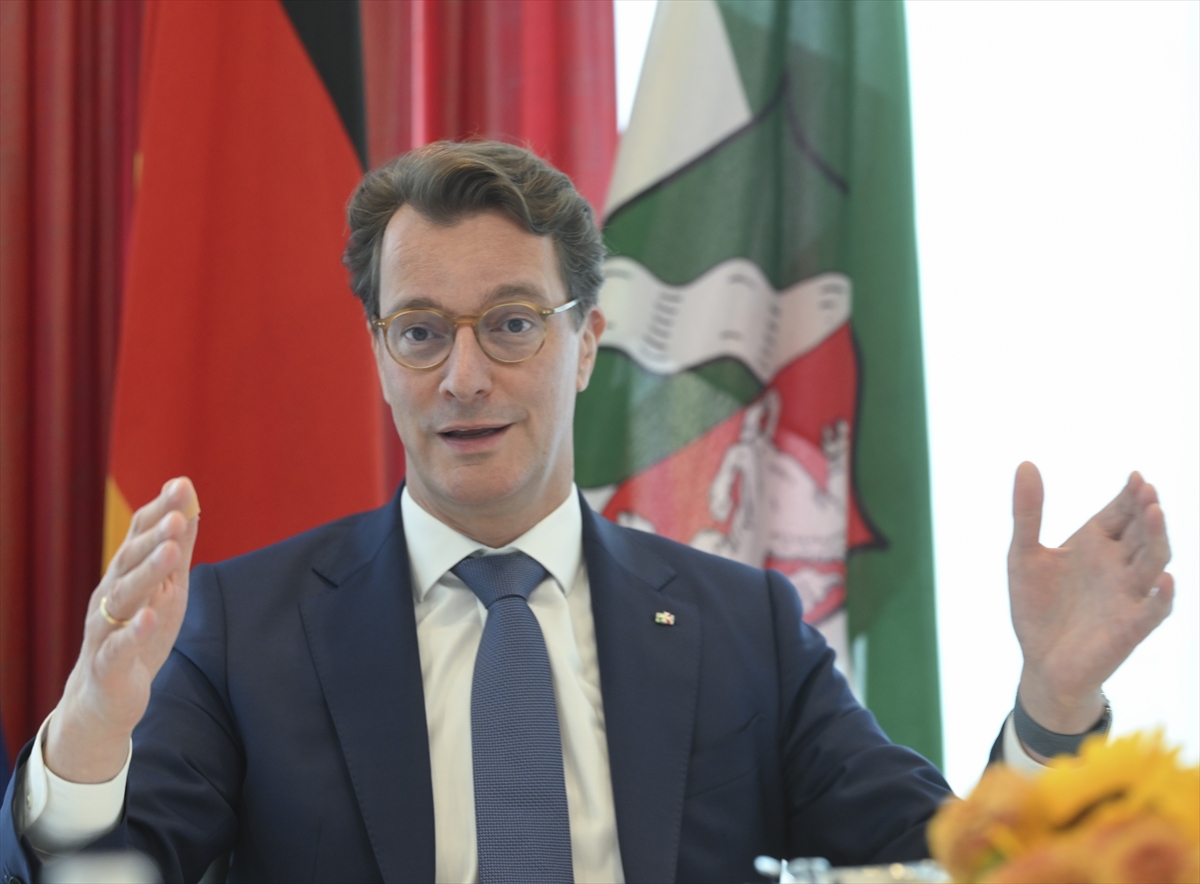
Wüst said the Customs Union should be developed and better-functioning mechanisms established for legal disputes. He said this would enable Türkiye and Germany to benefit more from their economic relations.
Wüst said Türkiye was a strong NATO partner, adding that this presented an opportunity for Germany and that efforts to develop relations should continue.
Assessment of the AfD’s rise
Wüst said he was disappointed by the CDU’s results in Germany’s most recent state elections and that major parties should ensure the integration into society of people from different backgrounds. Otherwise, he said, political parties would fail to adequately reflect the country’s social reality.
Responding to a question about the Alternative for Germany (AfD) increasing its vote share, Wüst said the rise was not irreversible. He said the results in Saxony-Anhalt, Mecklenburg-Western Pomerania and Berlin should be viewed as an opportunity for political parties to assess what they needed to do differently.
Wüst said he was concerned that many people felt unable to convey their concerns to the established parties. He said people with different views should continue to talk and debate in a democracy, warning that otherwise they could become susceptible to extremist groups.
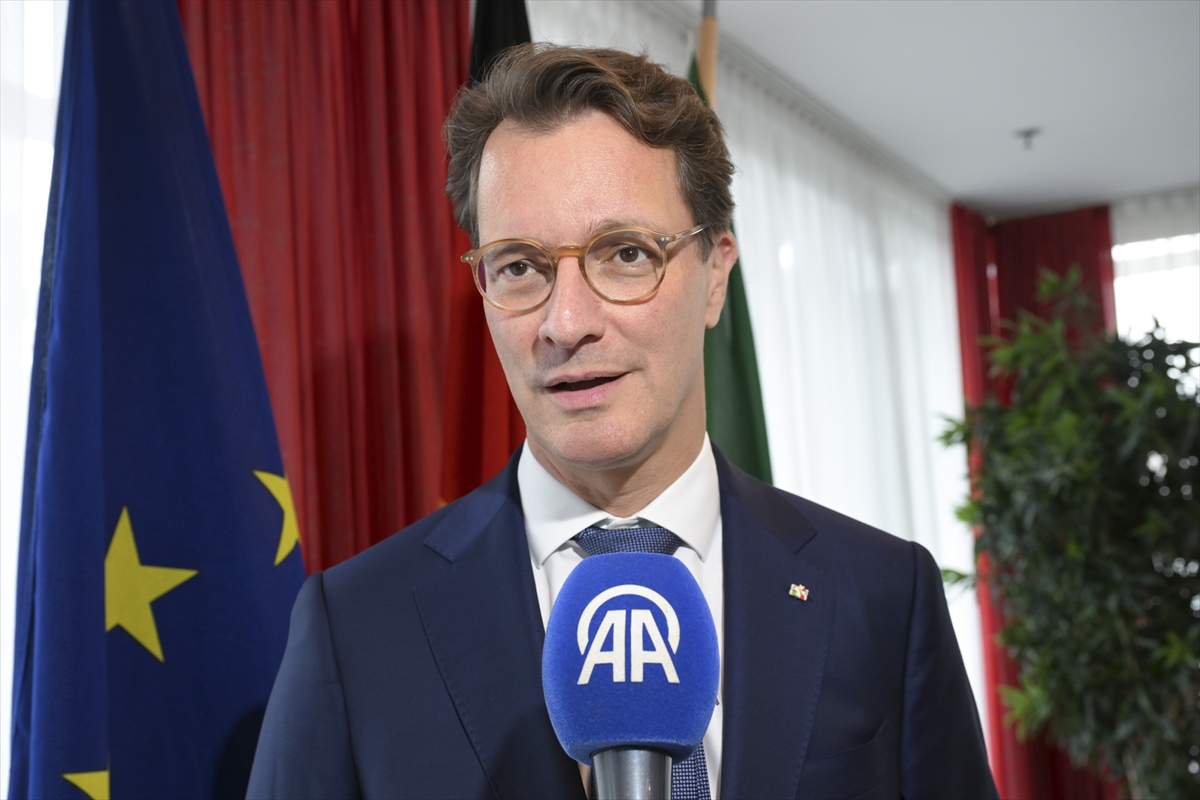
Wüst said energy costs and migration policy were pushing affordability limits in some parts of Germany, adding that these problems needed to be stated openly and followed by political action.
Message of unity to citizens of Turkish origin
Wüst said many people of Turkish origin in North Rhine-Westphalia were concerned about the election results. He said his government and party would work to ensure that people lived together peacefully in the state.
Wüst said they would work to ensure that people of different faiths and backgrounds could live safely and peacefully, stressing that debates and political contests should be conducted peacefully.
Visa problems create economic disadvantage
Wüst also addressed the problems Turkish businesspeople face when applying for visas to Germany, saying this created an economic disadvantage for North Rhine-Westphalia. He said some businesspeople obtained visas from other countries and entered Germany indirectly, adding that this needed to change.
Wüst said North Rhine-Westphalia was ready to work with municipal officials to improve the situation. He added that the German Foreign Ministry should also contribute to the process to ensure that visa procedures operated more effectively.
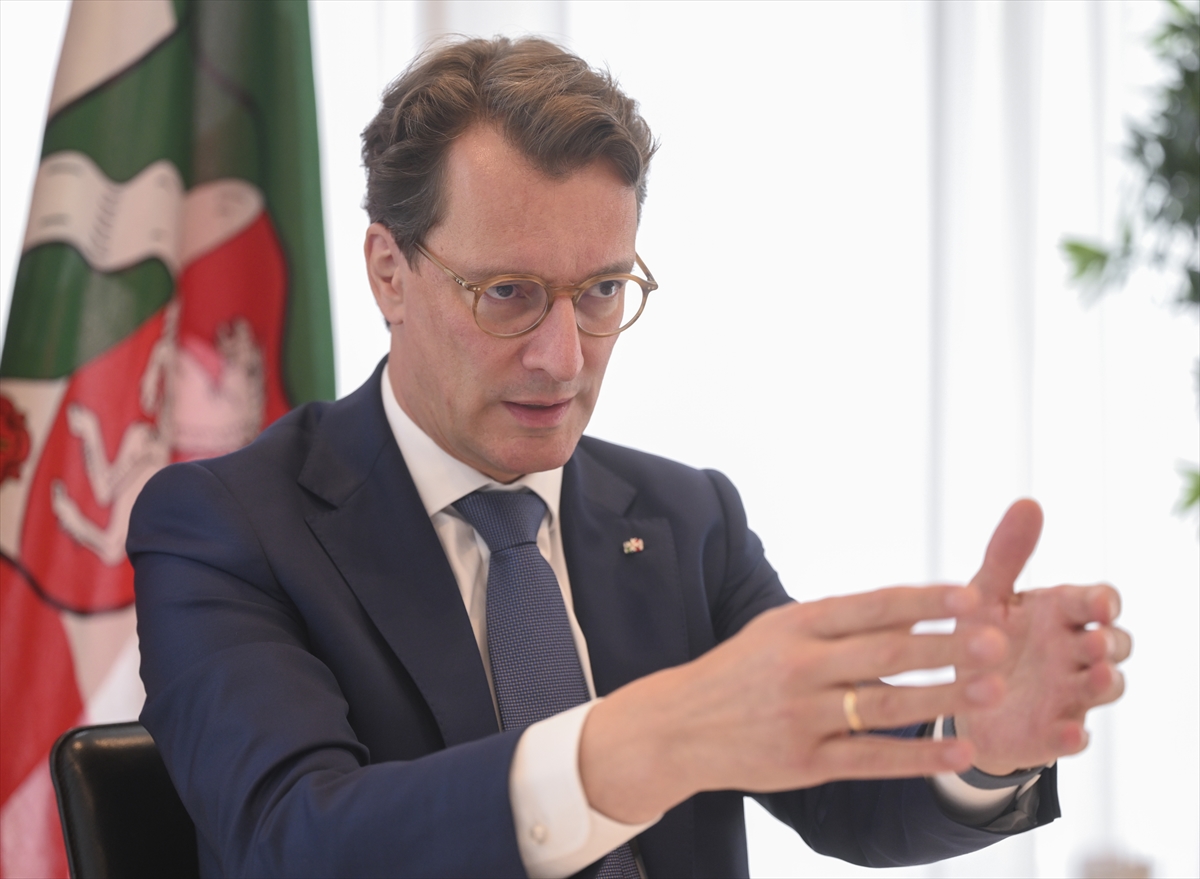
He said North Rhine-Westphalia was open to investment from Türkiye
Wüst said Türkiye had achieved significant growth in recent years, adding that this was positive for both sides. He said Germany and North Rhine-Westphalia were secure destinations for foreign investment and that companies from Türkiye capable of making further investments would travel with the delegation.
Wüst said discussions about people of Turkish origin in Germany were mostly focused on integration problems and shortcomings. Describing the Turkish-German community as a natural bridge between the two countries, he said discussions should focus on opportunities and existing potential rather than shortcomings.
Call for economic balance in climate policy
Wüst said climate protection policies should be addressed comprehensively while taking economic balances into account. He said Germany should contribute to climate protection while remaining an industrialized country.
Wüst noted that taxes and fees were increasing the burden on citizens, saying many people were struggling to afford fuel taxes. He said governments had offered various solutions but that more was needed.
Addressing Turks living in Germany, Wüst called on them to integrate into society, not to fear the loud rhetoric of political extremes and not to forget that they were part of North Rhine-Westphalia’s success story. Wüst also said he liked dishes from Turkish cuisine and found lamb shish particularly delicious.
Stay Updated with The Turkiye Times
Subscribe to be informed about special news, developments and announcements. We will keep you informed.
By signing up, you agree to our Privacy Policy

















