- BIST10011,117-0.92%
- USD49.65+0.05%
- EUR55.60-0.19%
- GOLD4,007.90-1.29%
- INTEREST36.00%-1.00
- BITCOIN80,166-1.13%
- October 24, 202615°
- BIST10011,117-0.92%
- USD49.65+0.05%
- EUR55.60-0.19%
- GOLD4,007.90-1.29%
- INTEREST36.00%-1.00
- BITCOIN80,166-1.13%
- October 24, 202615°
AI-powered system aims to boost bees’ pollination contribution
The RoboRoyale project, involving researchers from Türkiye, the United Kingdom, Czechia and Austria, aims to increase agricultural pollination by supporting bee colonies with robotic systems. In the project, which includes METU ROMER, the queen bee is monitored with AI-powered cameras, while micro-robots feed her and help protect the colony’s health.


The European Union-backed RoboRoyale project is working to support bee colonies with robotic technologies so they can contribute more to plant pollination. Researchers from Türkiye, the United Kingdom, Czechia and Austria are participating in the project.
Honeybees contribute to plant fertilization, as well as fruit and seed production, by carrying pollen between flowers. For this reason, bees’ pollination activity is important for the productivity of agricultural crops and the continuity of natural ecosystems.
Bees are expected to collect more pollen
The project, which includes Türkiye’s METU Robotics and Artificial Intelligence Technologies Research and Application Center (ROMER), is working to enable bees to make more pollen-collecting flights and thereby increase pollination activity.
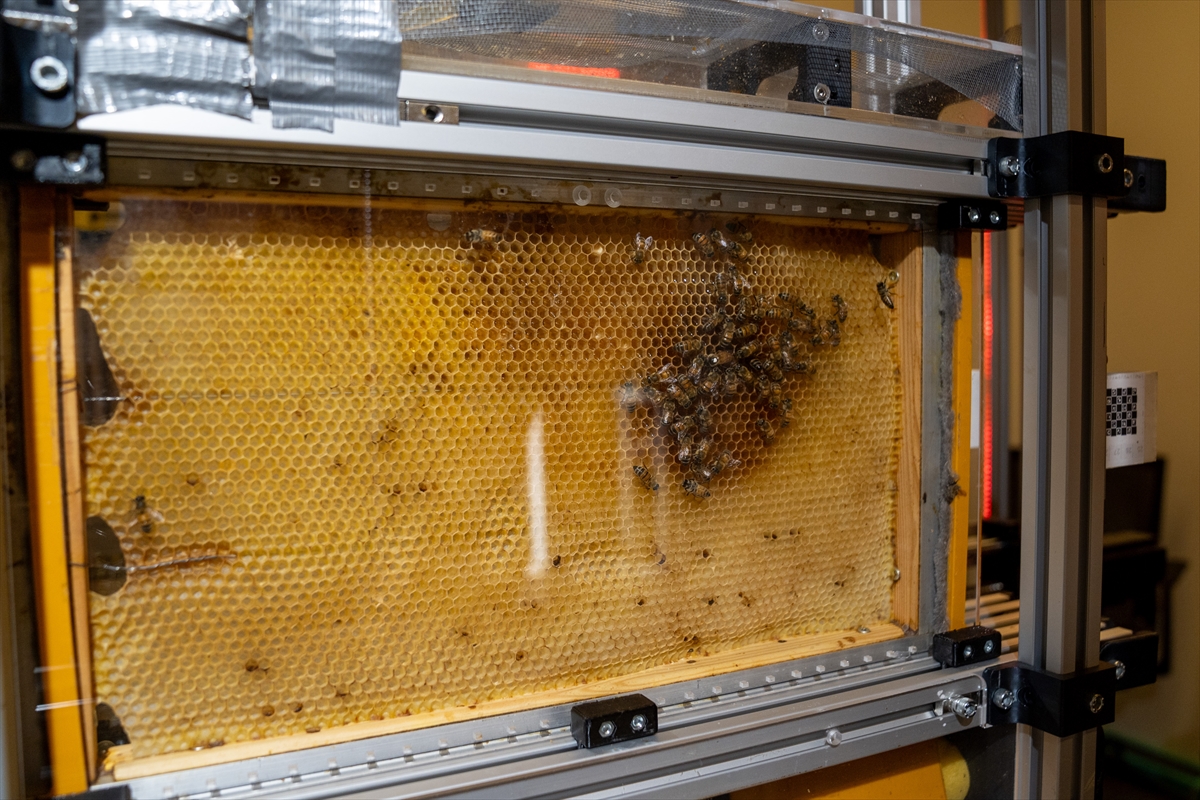
To this end, the amount of pollen bees carry into the hive is planned to be limited in a controlled manner. Reducing the inflow of pollen is intended to encourage bees to fly out to collect more pollen and increase pollination between plants.
AI-powered cameras monitor the queen bee
Micro-robotic systems developed on the basis that pollen is an important source of protein for bee colonies are being used to support the queen bee’s feeding. The work aims to protect the colony’s health and prevent adverse effects on the queen bee caused by limiting the inflow of pollen.
AI-powered cameras track the queen bee’s movements, feeding and egg-laying behavior. Micro-robotic systems can also perform some of the care tasks undertaken by worker bees.
The team places small tags on the queen bee to identify her and uses image-processing methods to calculate her posture. Small robotic and pump systems can then move toward the queen bee’s mouth and feed her. The work aims for the robots and worker bees to operate harmoniously within the colony.
METU ROMER leads the project’s Türkiye component
The Türkiye component of the project is being conducted under the leadership of Associate Professor Erol Şahin. The research team includes Associate Professor Ali Emre Turgut, Associate Professor Hande Alemdar and Dr. Babür Erdem.
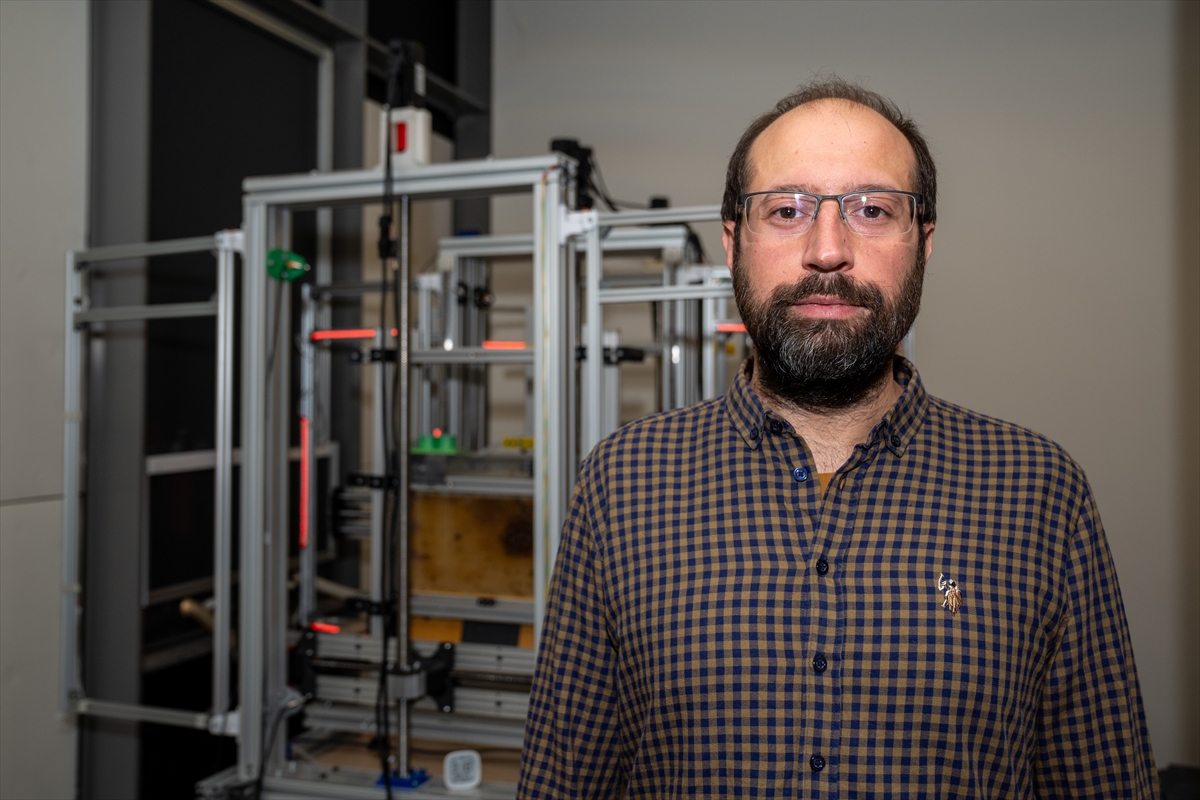
Dr. Babür Erdem said the work focuses on increasing agricultural production rather than boosting the production of bee products. Erdem said bees facilitate fruit formation by carrying pollen from one flower to another and that increased pollination could raise agricultural output.
Erdem said the queen bee is fed pure royal jelly through micro-robotic systems so that the colony is not deprived of its protein source because of the limited inflow of pollen. The method aims to protect both the queen bee’s health and the continuity of the colony.
AI is used at many stages of the project
AI-based algorithms are used in the project to monitor the queen bee, track comb development and count the bees entering and leaving the hive. Erdem said AI is being used actively at nearly every stage of the project.
Erdem said that if the project succeeds, greater agricultural yields could be achieved with fewer bee colonies, potentially leading to lower food prices over the long term. The study has also been published in the journal Science Robotics.
Source: Anadolu Ajansı
Have a story, event or announcement of your own?Send us your news on WhatsApp
Spotted an error in this story?Report it on WhatsApp
Share on all social platforms
Sponsored Ads
Featured Listings
Loading featured properties...
Stay Updated with The Turkiye Times
Subscribe to be informed about special news, developments and announcements. We will keep you informed.
By signing up, you agree to our Privacy Policy