DASAL Aviation Technologies, a subsidiary of Altınay Defense Technologies, showcased advanced autonomy, swarm algorithms and multi-platform integration capabilities at the International Best Military Unmanned Aerial Vehicle Team Competition, organized for the first time by the Land Forces Command.
Four different operational demonstrations
DASAL conducted four main operational demonstrations for different mission profiles. The company also provided platform support to the 8 teams competing in the competition phase with 5-inch MİKON FPV drones.
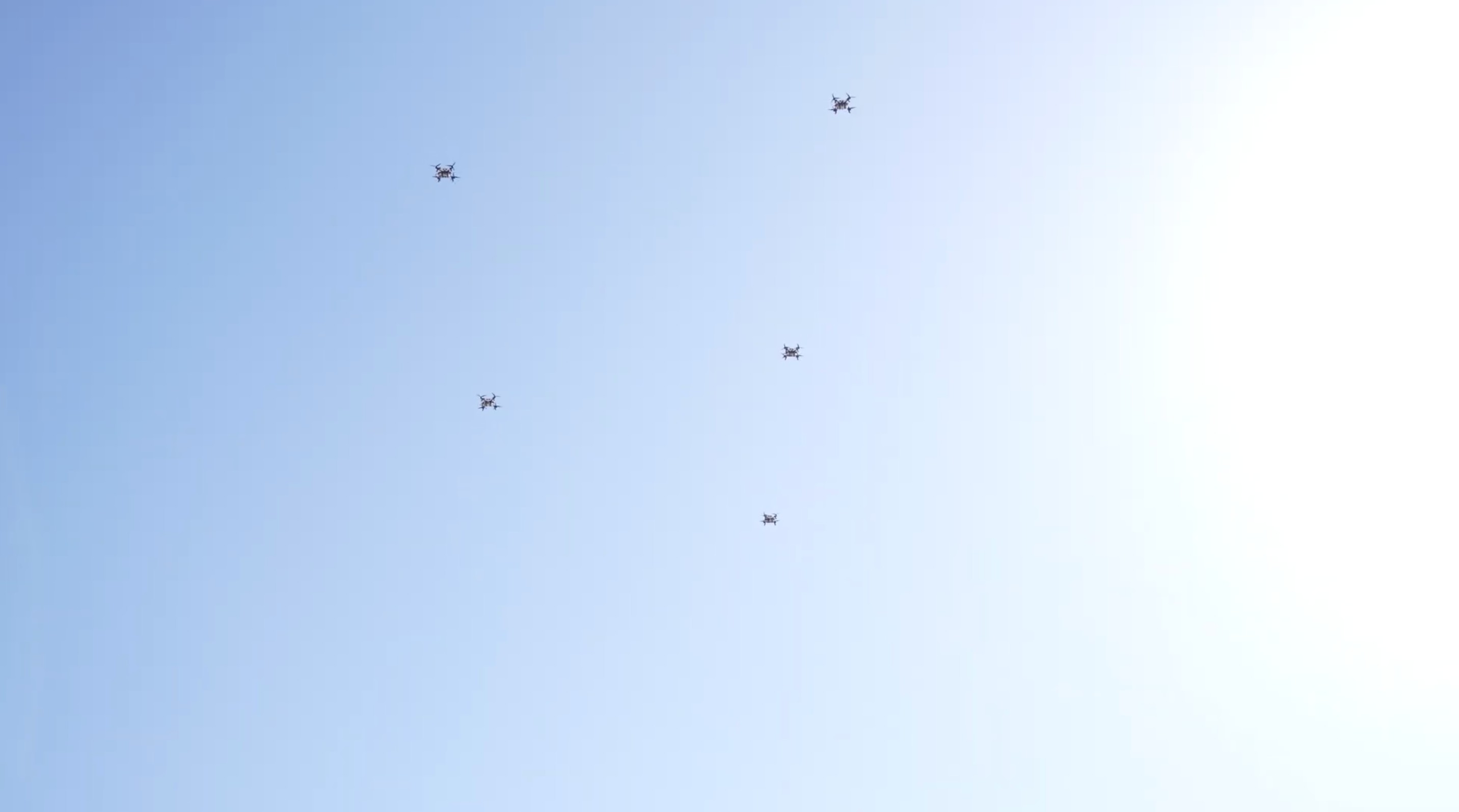
In one demonstration, the “Angel Mode” was implemented using a five-drone swarm to protect the team commander. Used for close protection, continuous perimeter security and situational awareness, the aerial vehicles autonomously positioned themselves in a 360-degree circular formation centered on the team commander in the field.
Continuous, simultaneous 360-degree environmental imaging was carried out using the aerial vehicles. This enabled continuous monitoring of the team commander’s movements in the mission area and demonstrated the capability to detect potential asymmetric threats at an early stage.
Tactical screening through swarm coordination
Tactical screening and dive attacks against detected threats were carried out using swarm coordination with a three-drone swarm. The three-drone swarm moved under centralized or distributed coordination against threat elements detected during “Angel Mode” surveillance.
Tactical obscuration and screening were applied in the field during this scenario, while the aerial vehicles conducted simultaneous or sequential dives toward the targets. The demonstration revealed the capability to transition autonomously from reconnaissance and surveillance to the attack phase.
Autonomous flight from a carrier platform
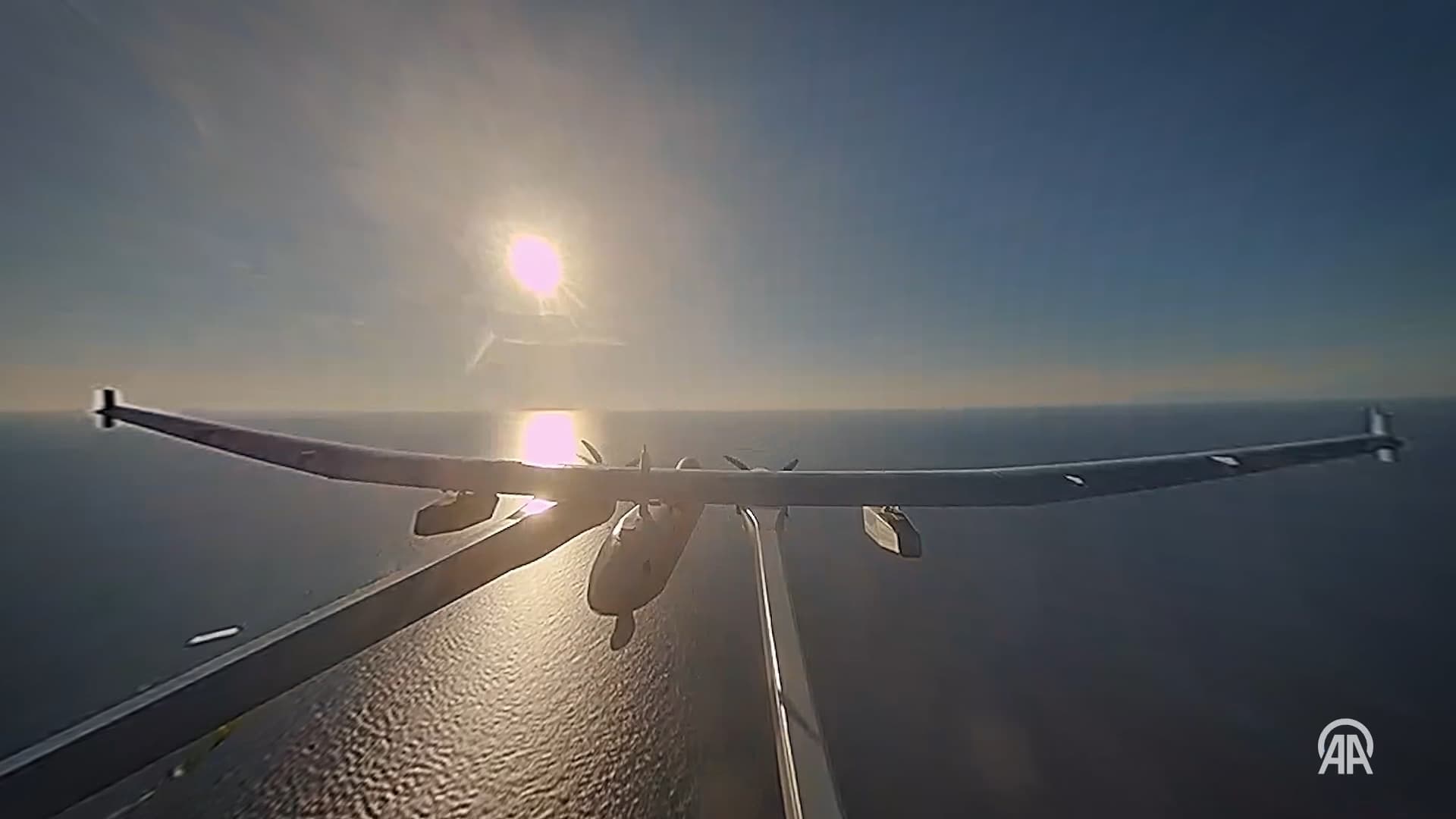
As part of the carrier platform integration and range extension concept, a MİKON drone was integrated into the medium-class FALCON C15 rotary-wing unmanned aerial vehicle developed by DASAL. After being released from the carrier platform in flight, MİKON completed a free fall before conducting autonomous flight using its own propulsion system.
This concept demonstrated an approach aimed at extending the operational range of micro and mini unmanned aerial vehicle systems through carrier platforms. It also showcased MİKON’s mechanical and avionics integration with aerial vehicles from different classes, as well as its ability to take over missions in flight.
Multiple launches with the “Beehive” system
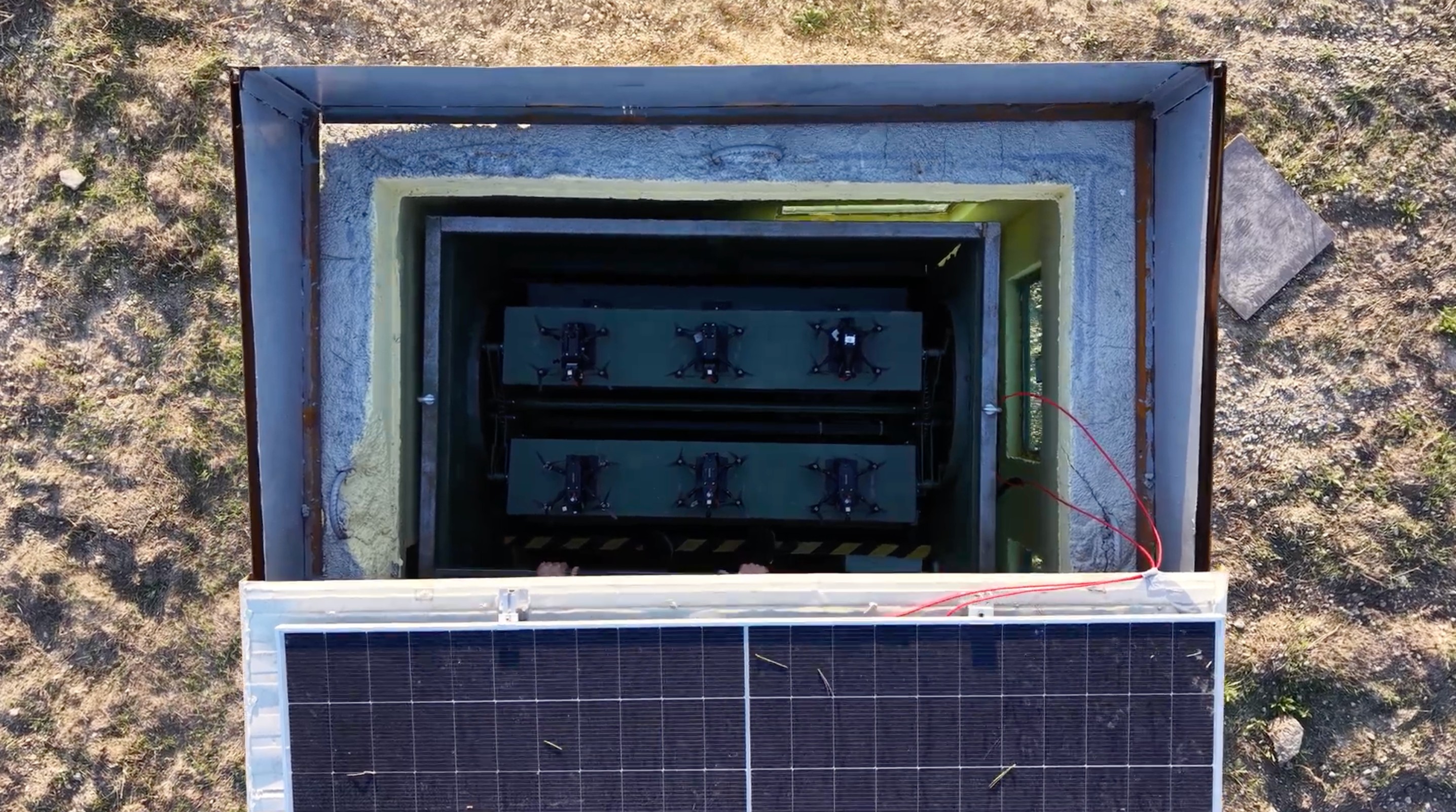
The demonstration also presented the capabilities of an autonomous, covertly deployed emergency response system developed for fixed-base areas and critical facilities. Externally resembling a standard monobloc guard booth, the “Beehive” can protect MİKON drones from external factors beneath its openable roof structure and keep them ready for launch 24 hours a day, 7 days a week.
When the mission command was issued, the roof mechanism opened and the MİKON platforms autonomously launched in sequence via a dedicated carrier mechanism. The drones carried out the multi-drone flight mission together.
The concept aims to reduce personnel reaction times and limit risks arising from human factors in the security of border outposts, forward base areas and critical facilities. The system demonstrated the capability to respond to multiple threats without putting personnel safety at risk.