- BIST10011,117-0.92%
- USD49.65+0.05%
- EUR55.60-0.19%
- GOLD4,007.90-1.29%
- INTEREST36.00%-1.00
- BITCOIN80,166-1.13%
- October 24, 202615°
- BIST10011,117-0.92%
- USD49.65+0.05%
- EUR55.60-0.19%
- GOLD4,007.90-1.29%
- INTEREST36.00%-1.00
- BITCOIN80,166-1.13%
- October 24, 202615°
Türkiye's defense industry develops MERKÜT magazine system for drones
SAVX, a subsidiary of Titra Teknoloji operating under Pasifik Teknoloji, developed the MERKÜT Magazine system to keep multiple FPV kamikaze drones ready for deployment. First used during the Ateş Serbest exercise, the system carries 8 drones in one magazine and can accommodate a total of 32 drones in a four-magazine configuration.


Türkiye's defense industry companies are developing new solutions to enable unmanned aerial vehicles to be prepared more quickly and managed more easily in the field, in addition to improving their flight and mission capabilities. As part of these efforts, SAVX, a subsidiary of Titra Teknoloji operating under Pasifik Teknoloji, designed the MERKÜT Magazine system.
The system is intended to facilitate the use of FPV kamikaze drones by keeping multiple aerial vehicles together and ready for deployment. The drones are placed on vertically arranged shelves, similar to the rounds in a weapon's magazine.
Drones automatically move into position
When the top drone begins its mission, the next aerial vehicle automatically takes its place. The system allows drones to be deployed one after another or keeps the next vehicle ready for use.
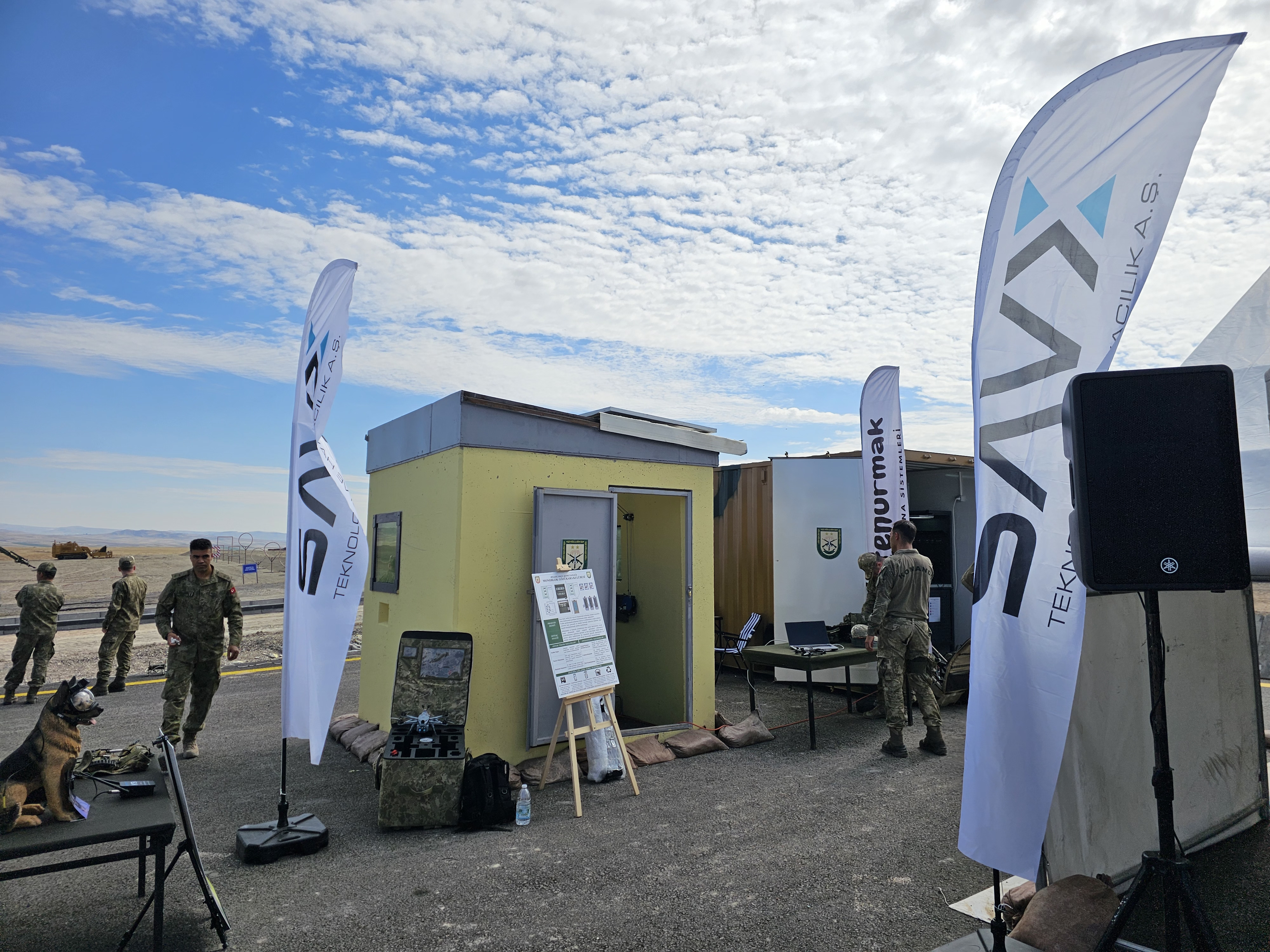
The MERKÜT Magazine concept was used for the first time during the Ateş Serbest joint exercise, which aims to demonstrate the Turkish Armed Forces' firepower and deterrence, show the impact of weapons in the inventory on targets, and coordinate fire support between the services.
One magazine carries 8 drones
Each magazine contains 8 MERKÜT FPV kamikaze drones. A four-magazine configuration installed inside concrete positions can keep a total of 32 MERKÜT drones ready.
The system can be used in defensive positions or buried underground and camouflaged. Its ability to be controlled remotely without requiring operators to be present around it is among the features that enable the aerial vehicles to be deployed unexpectedly.
It simplifies operational preparation
In conventional FPV operations, preparing and transporting aerial vehicles and getting them ready before a mission can create a workload for operators. The magazine concept, by contrast, aims to keep the drones in a single structure and manage them in a more orderly manner.
Its key benefits include facilitating field organization, supporting access to multiple aerial vehicles, and simplifying operational preparation. As FPV kamikaze drones become more widespread, the need to manage multiple aerial vehicles within the same operational structure is also gaining importance.
Solutions such as the MERKÜT Magazine focus on organizing the storage and use of drones. The system's field advantage is assessed not only by the number of drones kept ready at the same time, but also by the time savings, ease of use and operational flexibility it provides.
Source: Anadolu Ajansı
Have a story, event or announcement of your own?Send us your news on WhatsApp
Spotted an error in this story?Report it on WhatsApp
Share on all social platforms
Sponsored Ads
Featured Listings
Loading featured properties...
Stay Updated with The Turkiye Times
Subscribe to be informed about special news, developments and announcements. We will keep you informed.
By signing up, you agree to our Privacy Policy