At the Ministers’ and Parliamentarians’ Meeting held in Antalya, 32 participants from 21 countries adopted and signed the Antalya Declaration, which is based on peace, responsibility and cooperation in space.
Ministers, lawmakers, parliamentary delegations, heads of space agencies and senior executives of international organizations from 38 countries across Europe, Asia, Africa and the Americas attended the meeting hosted by Minister of Industry and Technology Mehmet Fatih Kacır.
Space diplomacy on the agenda
The Ministers’ and Parliamentarians’ Meeting, held as part of the International Astronautical Congress organized annually by the International Astronautical Federation, addressed peaceful space exploration, outer space missions, space law, the integration of developing countries into the space ecosystem and a sustainable space economy.
Türkiye was represented at the meeting by Minister of Industry and Technology Mehmet Fatih Kacır, Fuat Oktay, chair of the Grand National Assembly of Türkiye’s Foreign Affairs Commission and Ankara deputy from the Justice and Development Party, Zeynep Yıldız, deputy chair of the Grand National Assembly of Türkiye’s Digital Media Commission and Ankara deputy from the Justice and Development Party, Istanbul deputy Sena Nur Çelik Kanat from the Justice and Development Party, and Türkiye Space Agency President Yusuf Kıraç.
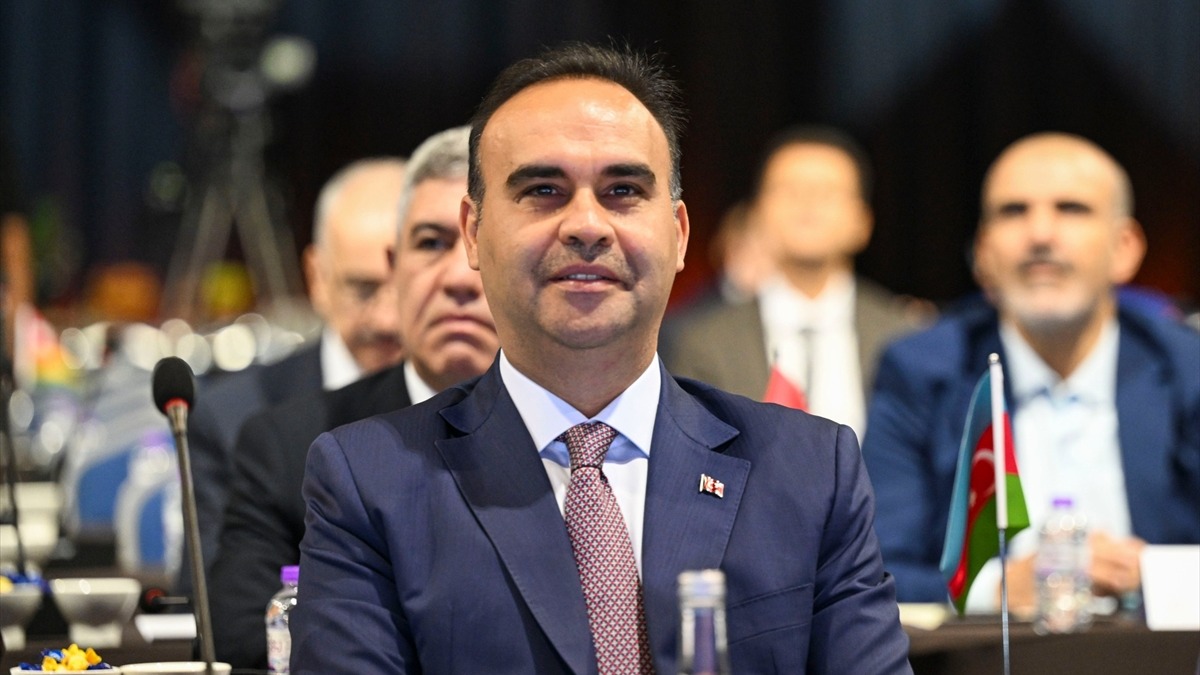
Kacır: Progress in space must serve humanity
In his address at the meeting, Mehmet Fatih Kacır said he was pleased that the declaration had been adopted, bringing ministers, parliamentarians and representatives of space agencies together for the first time in the history of the Ministers’ and Parliamentarians’ Meeting around a shared commitment to peace, responsibility and cooperation in space.
Kacır said the “Antalya Declaration for Space for Peace” was launched by Türkiye, host of the International Astronautical Congress 2026, in line with President Recep Tayyip Erdoğan’s vision of advancing peace through dialogue and international cooperation. He said the text had been prepared following consultations with the International Astronautical Federation and international partners.
Kacır said the declaration aims to establish a common international framework for a peaceful, sustainable and responsible approach to space, adding that he was pleased that 32 participants from 21 countries had adopted and signed the text. He also said the “Antalya Spirit,” based on openness, mutual respect and constructive interaction, was reflected in the text, and invited other countries and international organizations to join the declaration.
Private sector emphasis in the space economy
Kacır said space-based capabilities had become indispensable for daily life, economic activity and disaster management, emphasizing that the ultimate purpose of technology was to contribute to human welfare.
Kacır noted that the global space sector was not advancing solely through public budgets, and that the private sector and startups had also become key drivers of growth. According to figures provided by Kacır, the global space economy reached $686 billion in 2025, with approximately four-fifths of that amount generated by commercial activities.
Kacır said falling launch costs, smaller satellites and increasing private-sector investments had lowered barriers to entering the space sector. He said public institutions should act as first customers and reliable partners for innovation, long-term financing mechanisms should be established, and predictable legal regulations should be introduced. Kacır reported that more than 300 companies operate in space technologies in technoparks and that work had begun to establish a dedicated Space Technopark in Ankara.
Kacır said Türkiye had placed entrepreneurship and innovation at the center of its technology policies, describing the BİGG program as the country's largest public support mechanism for technology start-ups. He said steps had been taken to provide more than $750 million in additional resources to the venture capital ecosystem.
2027 target for first lunar spacecraft
Providing information about Türkiye’s domestic satellite development capabilities and deep-space projects, Kacır said the launch of the first lunar spacecraft was planned for early 2027. He said the spacecraft would have a domestic production rate of more than 80% and a hybrid propulsion system developed by Türkiye, adding that the mission would be an international-level test of the country’s engineering expertise and space ambitions.
The International Astronautical Congress is scheduled to take place at the Antalya NEST Congress Center on October 5-9, 2026, under the coordination of the Ministry of Industry and Technology and with Türkiye Space Agency and SAHA Istanbul serving as co-hosts. The congress is expected to be held with the participation of President Recep Tayyip Erdoğan.
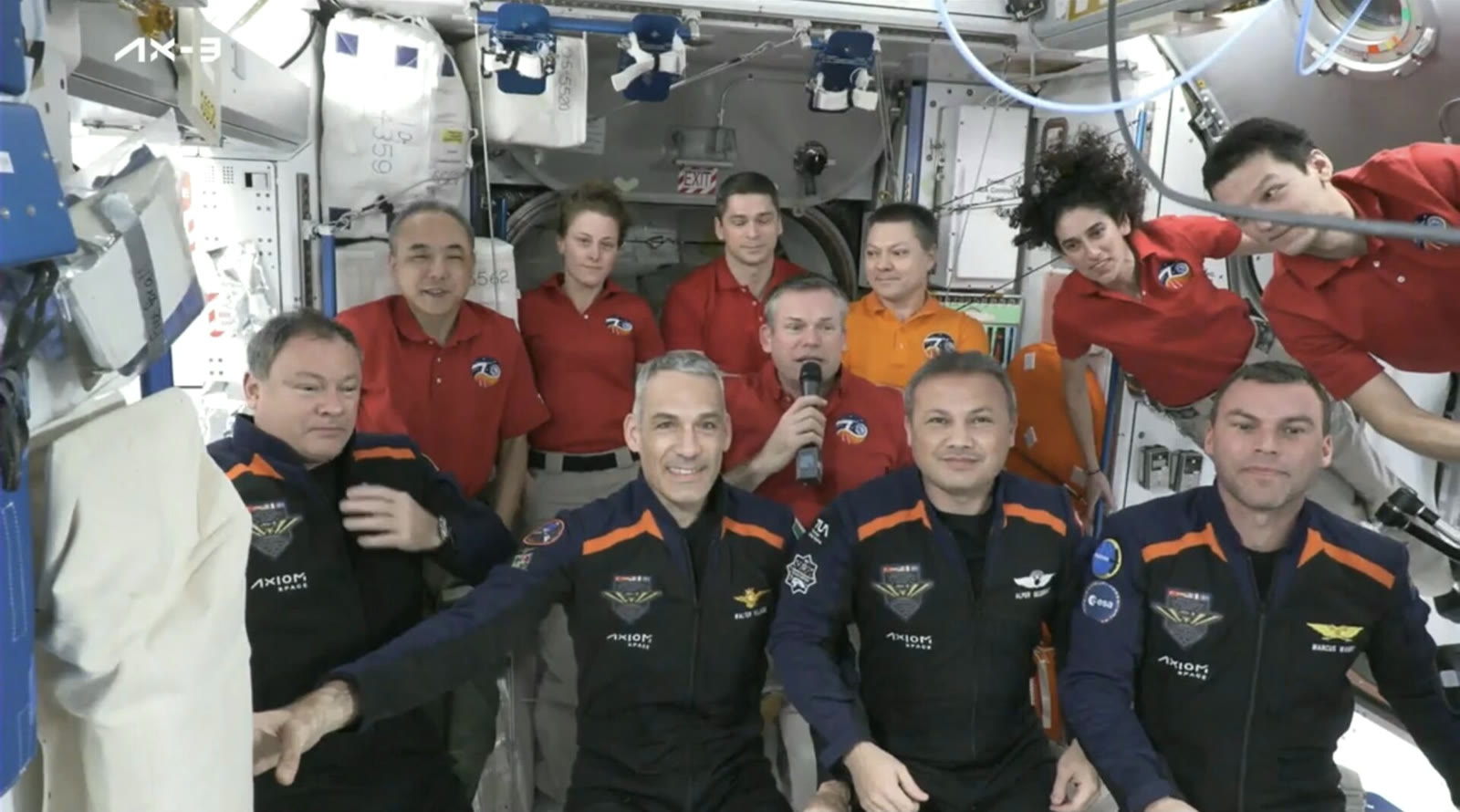
Speaking to journalists after the meeting, Kacır said more than 12,000 guests from 111 countries and over 40 astronauts were expected to attend the congress in Antalya on October 5-9. Recalling that Türkiye’s first two astronauts, Alper Gezeravcı and Tuva Cihangir Atasever, carried out two crewed missions in 2024, Kacır said Türkiye had achieved a domestic production capacity of more than 80% in the satellite sector, was one of 11 countries capable of developing communications satellites, and would produce the İMECE-2, İMECE-3 and TÜRKSAT 7A satellites.