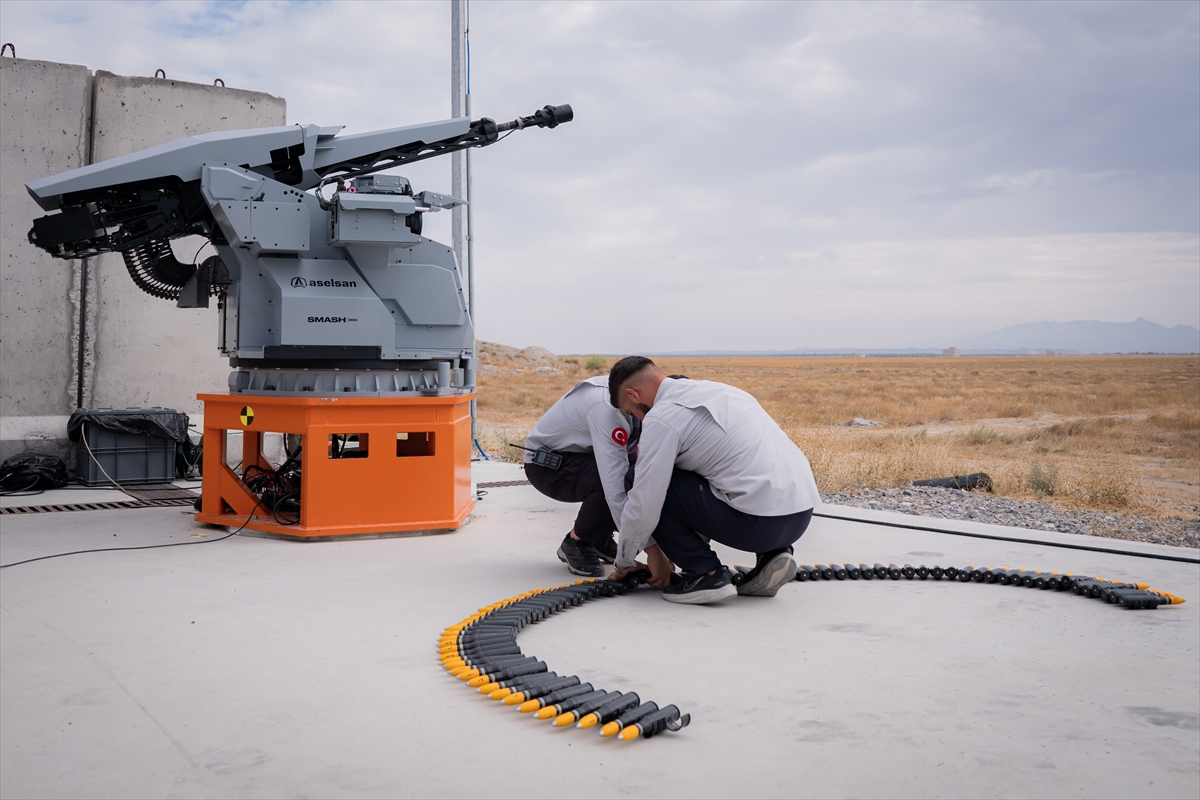
The preliminary prototype of ASELSAN’s SMASH 300 Remote-Controlled Stabilized Naval Weapon System demonstrated its capabilities during a firing test in Karapınar, Konya.
The test demonstrated the system’s effectiveness against single and multiple aerial targets consisting of ground targets and mini drones. SMASH 300 is intended to provide a solution not only against surface threats but also against mini and micro UAVs.
Four different solutions developed in the SMASH family
ASELSAN has developed four different solutions to date within the SMASH Remote-Controlled Stabilized Naval Weapon Systems product family, which it introduced in 2006. The company has delivered more than 560 systems to 18 countries in this field and has reached a 10 percent share of the global market.
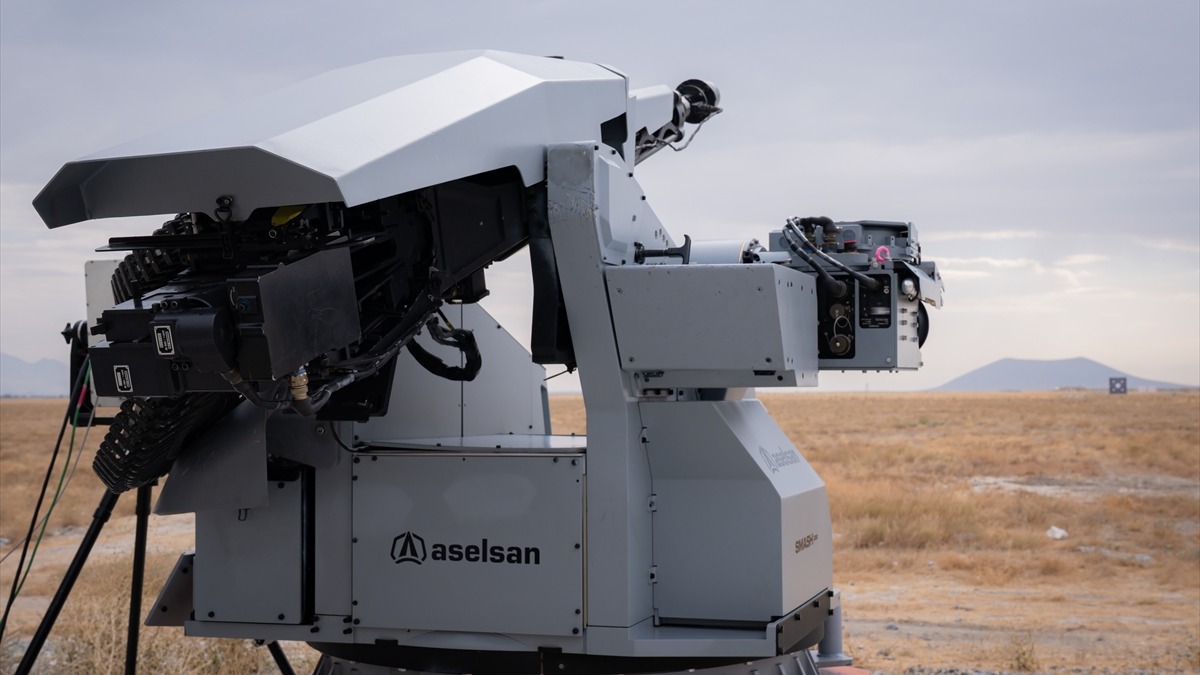
SMASH 300 was developed following improvement and development efforts across the system based on user feedback, current requirements and new technologies. The system is intended to provide a solution that meets the changing operational needs of different platforms and end users.
Artificial intelligence and smart ammunition integration
The project aims to transfer the success achieved by fragmentation ammunition in different systems to the SMASH family. The integration of SMASH with ATOM smart ammunition is made possible by the gun’s barrel support.
This integration is intended to provide naval platforms with a new capability against mini and micro UAVs. Artificial intelligence support enables the detection and tracking of multiple targets, object classification and adaptation to targets of different sizes.
Electro-optical capabilities enhanced
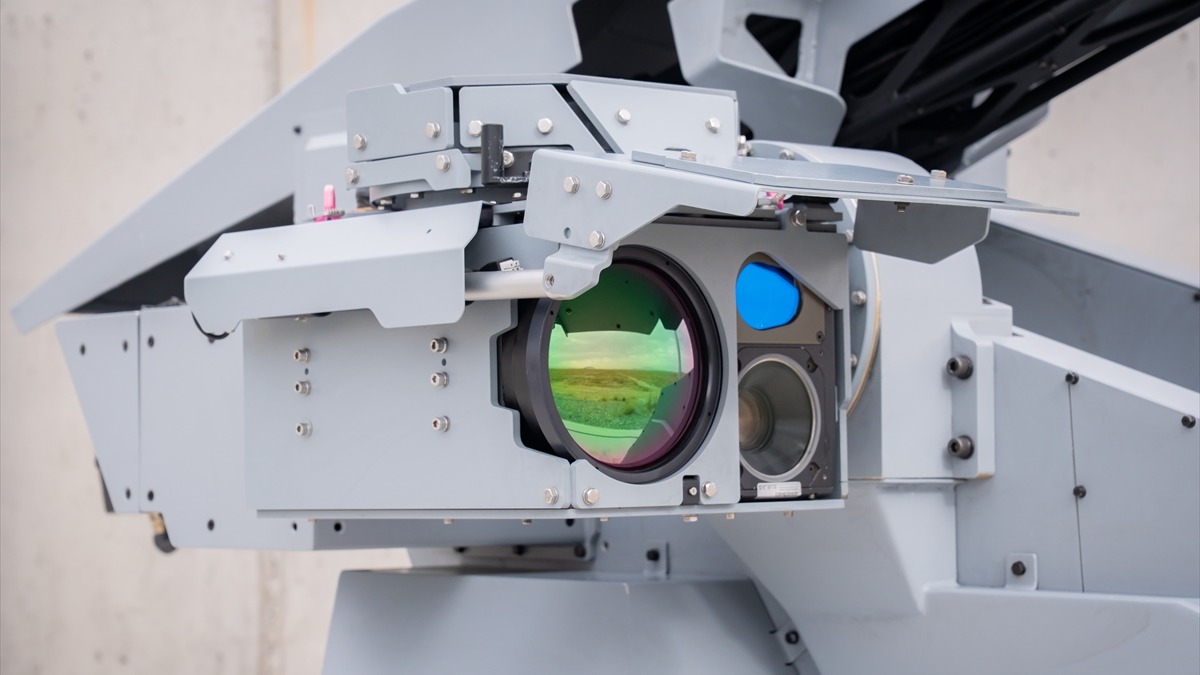
The new design enhanced the system’s electro-optical target detection and surveillance capabilities. Improvements were made to the thermal camera, television camera and laser rangefinder.
SMASH 300’s ammunition capacity was also increased compared with other systems in the product family. Through the project, ASELSAN aims to advance the defensive capabilities of naval platforms, particularly those of the Turkish Naval Forces and Coast Guard Commands, using indigenous technologies.