- BIST10010,743-2.03%
- USD50.64+0.03%
- EUR55.40+0.14%
- GOLD3,595.10+0.86%
- INTEREST36.00%-1.00
- BITCOIN60,353-0.04%
- November 26, 202610°
- BIST10010,743-2.03%
- USD50.64+0.03%
- EUR55.40+0.14%
- GOLD3,595.10+0.86%
- INTEREST36.00%-1.00
- BITCOIN60,353-0.04%
- November 26, 202610°
China launches Shenzhou-24 carrying first foreign astronaut
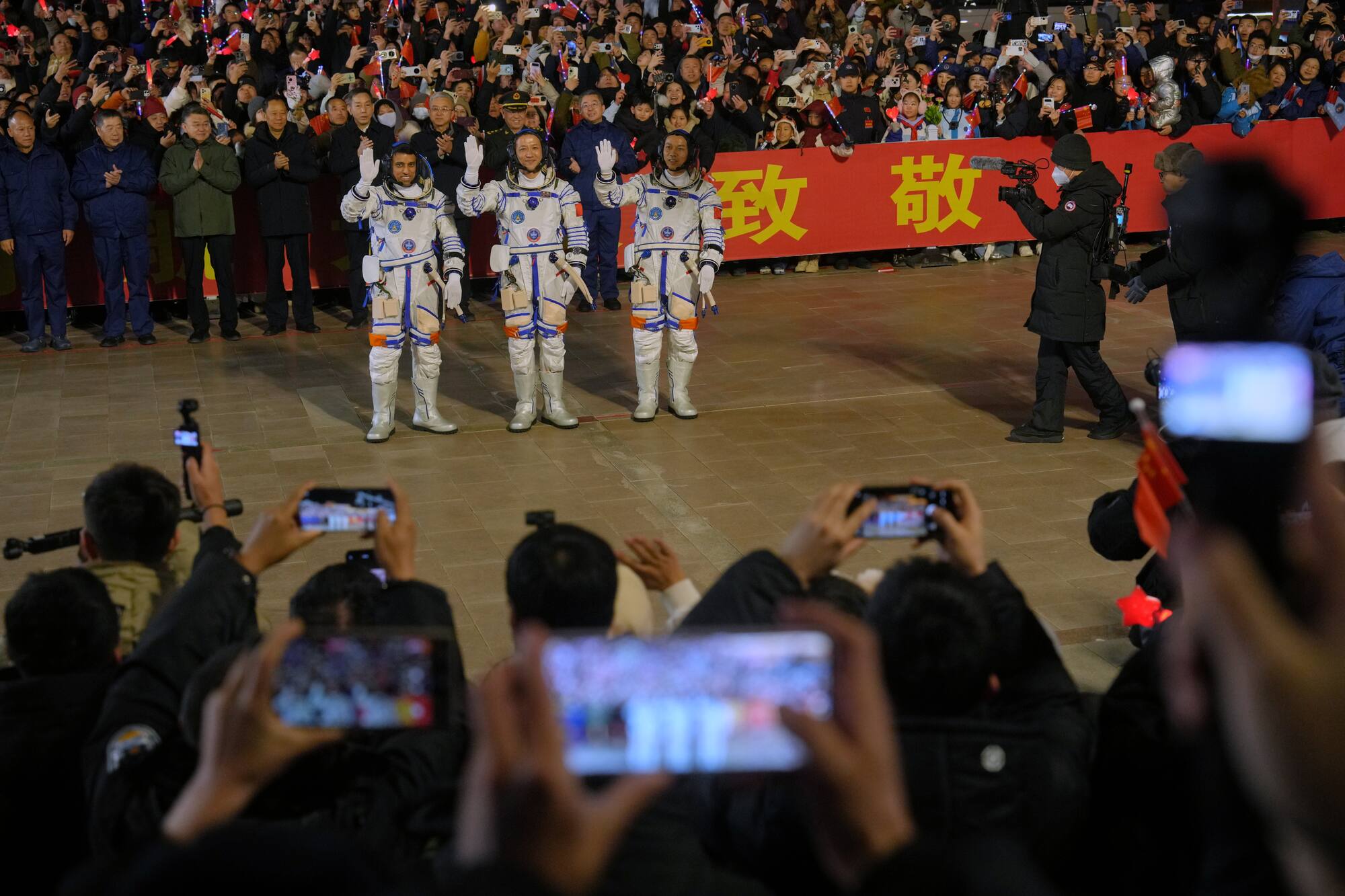
China successfully launched the Shenzhou-24 spacecraft carrying two Chinese astronauts and one Pakistani astronaut. Pakistan Air Force pilot Muhammad Zeeshan Ali became the first foreigner to enter China’s Tiangong space station. Chinese President Xi Jinping said China is ready to work with all countries for the peaceful use of space.
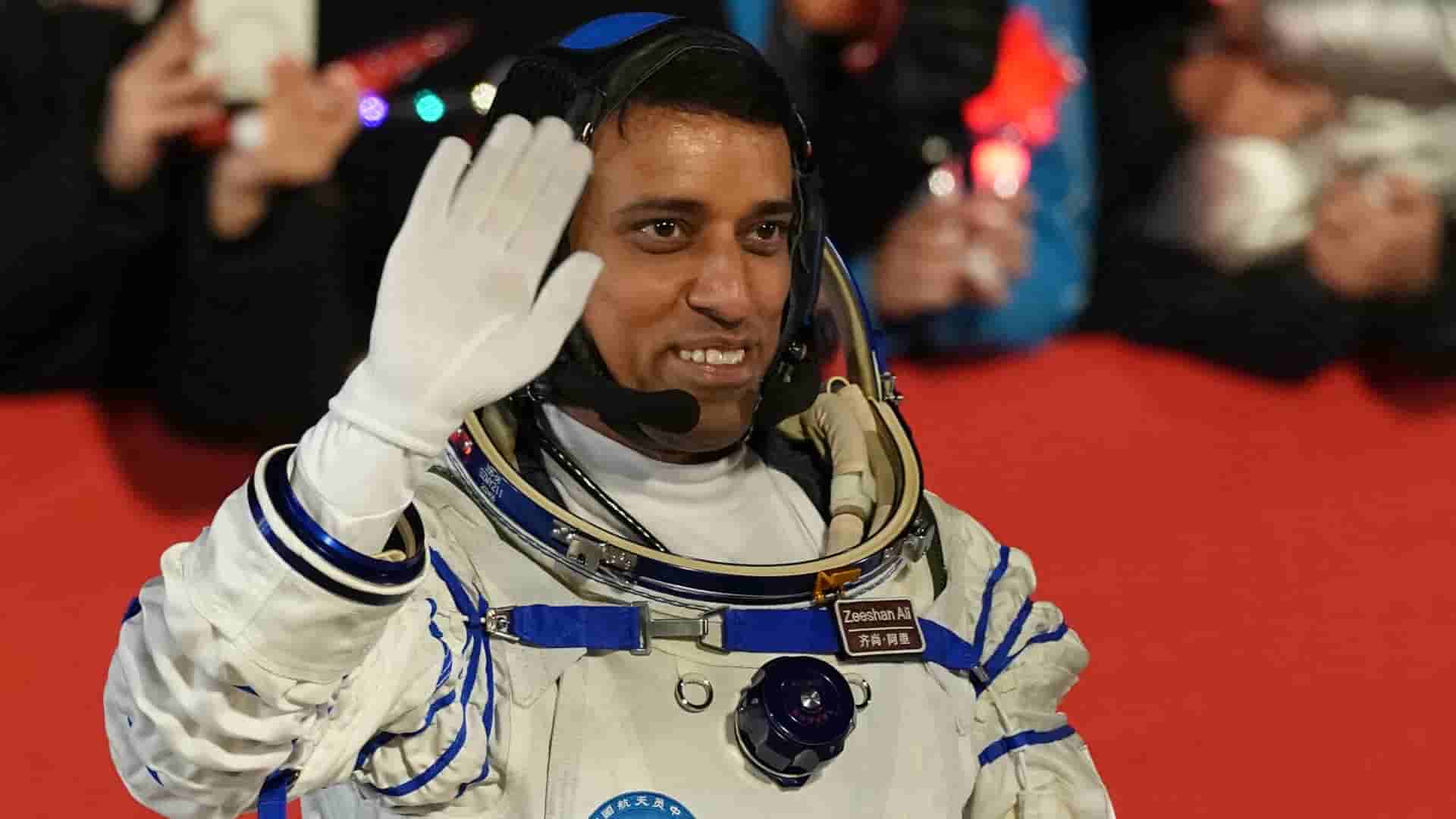
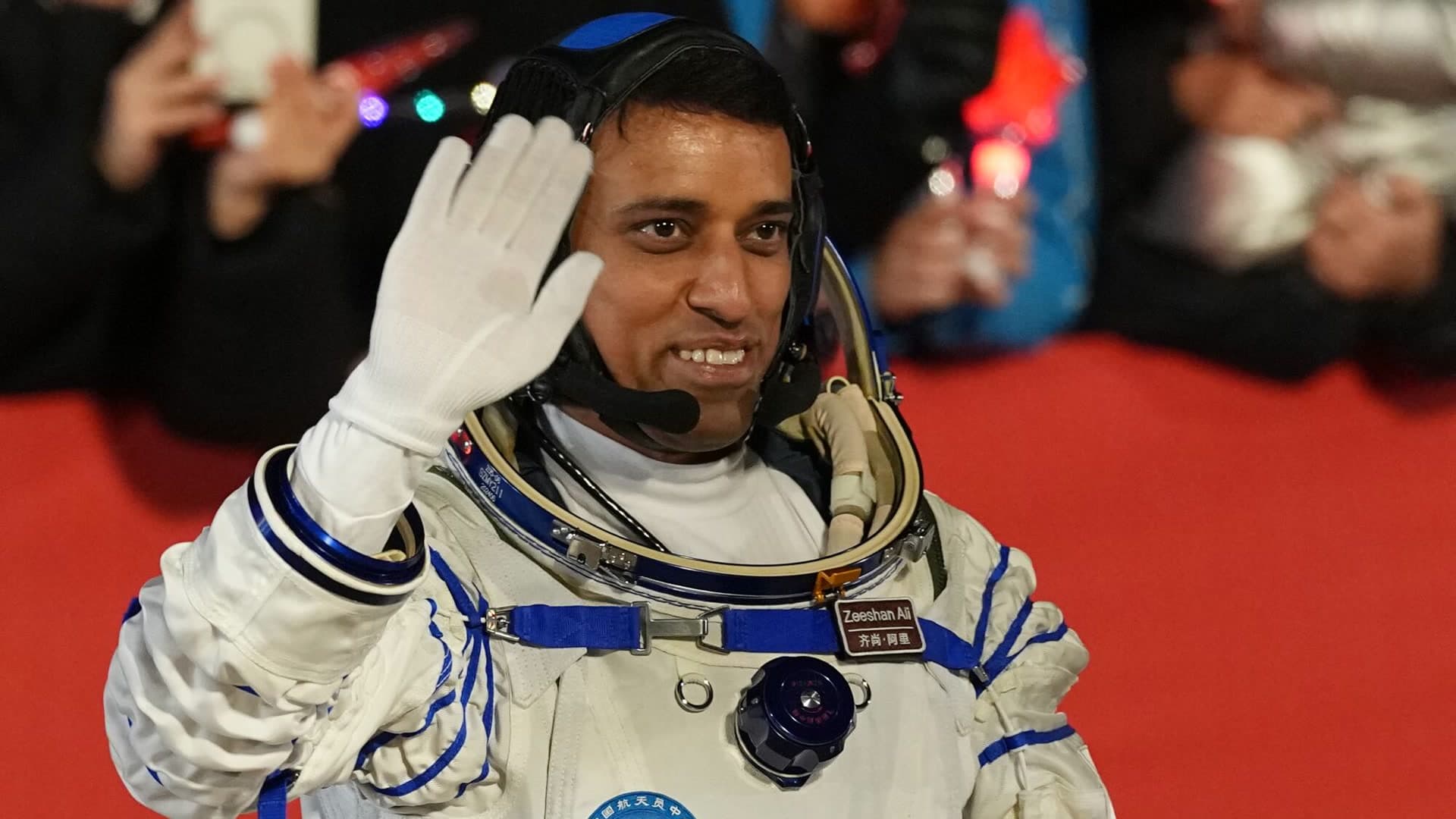
China successfully launched the Shenzhou-24 spacecraft, carrying a foreign astronaut for the first time, from the Jiuquan Satellite Launch Center in the country’s northwest.
The spacecraft, launched aboard a Long March-2F rocket, carried mission commander Tang Hongbo, flight engineer Wu Yi and Pakistani payload specialist Muhammad Zeeshan Ali. About three and a half hours after liftoff, the spacecraft docked with the Tiangong space station, and its crew entered the station’s core module, Tianhe, at 2:35 p.m. Beijing time.
First foreigner to enter Tiangong
Ali, a 40-year-old Pakistan Air Force pilot, became the first Pakistani to reach orbit and the first foreigner to enter China’s space station. Ali trained in Beijing for seven months for the mission and took intensive Chinese lessons. After entering the station, he said in Chinese, "My childhood dream has come true. China’s space station, here I am!"
Ali also recalled a line by Urdu poet and philosopher Muhammad Iqbal: "There are still many worlds beyond the stars." During the mission, the Pakistani astronaut will conduct experiments including growing microalgae as a food source and studying the effects of spaceflight on quinoa seeds.
Xi Jinping: We are ready to work with all countries for the peaceful use of space
In a letter to Pakistani President Asif Ali Zardari, Chinese President Xi Jinping said, "China is ready to work with all countries, including Pakistan, to raise the banner of the peaceful use of space." Xi described the two countries as "all-weather strategic cooperative partners" and emphasized that the joint space mission was an important achievement of their 75-year friendship.
Zardari congratulated China, describing the mission as "a landmark achievement." Pakistan’s Planning Minister Ahsan Iqbal, who watched the launch in person, said discussions on a crewed space mission between the two countries began in 2016-2017.
A new move in the space race with the United States
As the International Space Station (ISS) is scheduled to end operations in 2030, the opening of Tiangong, completed in 2022, to foreign astronauts is seen as part of China’s efforts to expand its influence in space. Blaine Curcio, an executive at Orbital Gateway Consulting, said the mission "clearly shows other countries that China is open to this kind of cooperation."
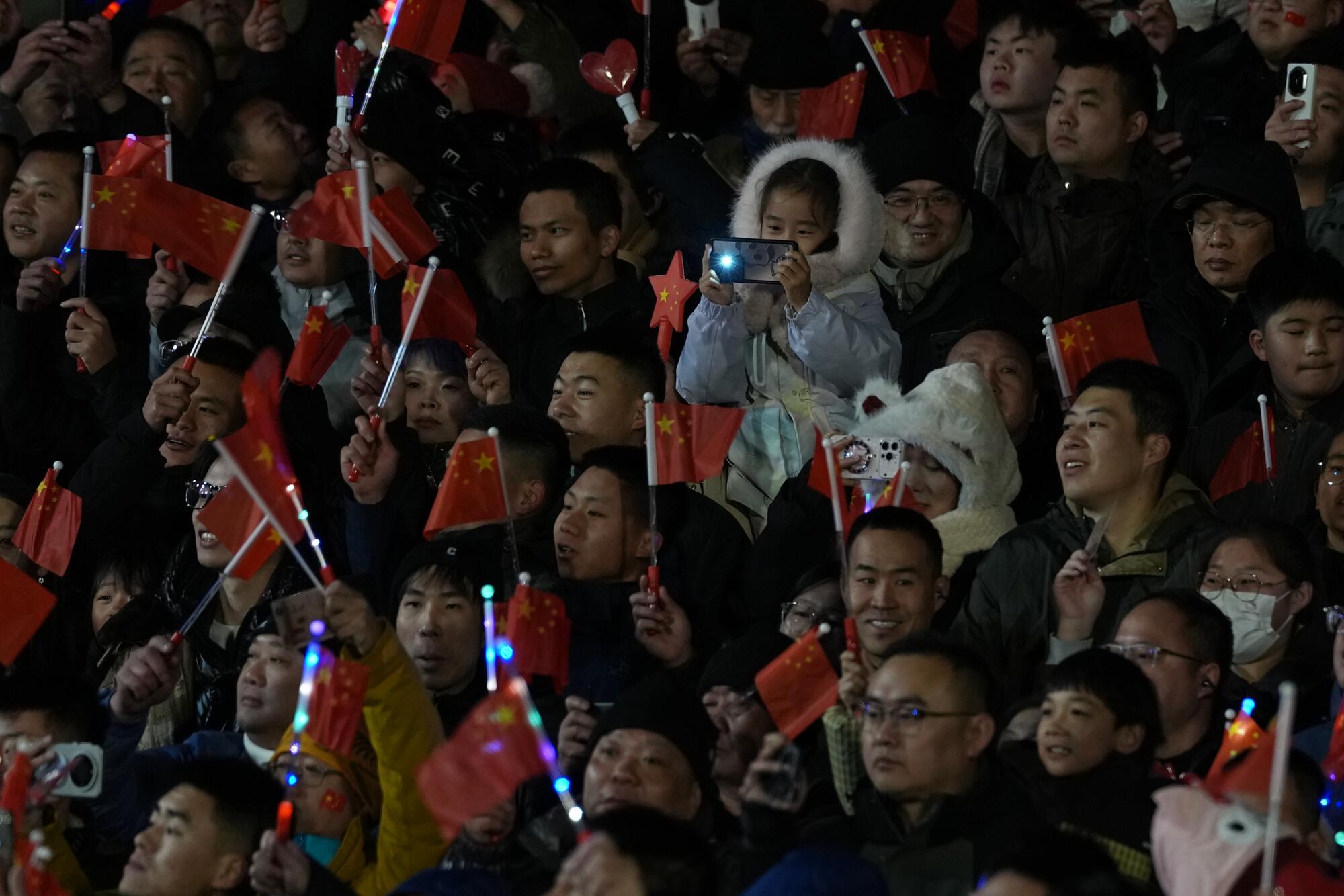
Space cooperation between China and Pakistan dates back to the early 1990s. China has launched Pakistan’s satellites, while a Pakistani-built exploration vehicle is also planned to fly on a Chinese lunar mission around 2028.
Stay Updated with The Turkiye Times
Subscribe to be informed about special news, developments and announcements. We will keep you informed.
By signing up, you agree to our Privacy Policy