- BIST10011,430-2.49%
- USD49.45+0.05%
- EUR55.62+0.37%
- GOLD4,158.10-0.55%
- INTEREST37.00%-1.00
- BITCOIN81,918-0.11%
- October 19, 202617°
- BIST10011,430-2.49%
- USD49.45+0.05%
- EUR55.62+0.37%
- GOLD4,158.10-0.55%
- INTEREST37.00%-1.00
- BITCOIN81,918-0.11%
- October 19, 202617°
Cibali Gate stands as a gateway to Istanbul’s 1,800-year history
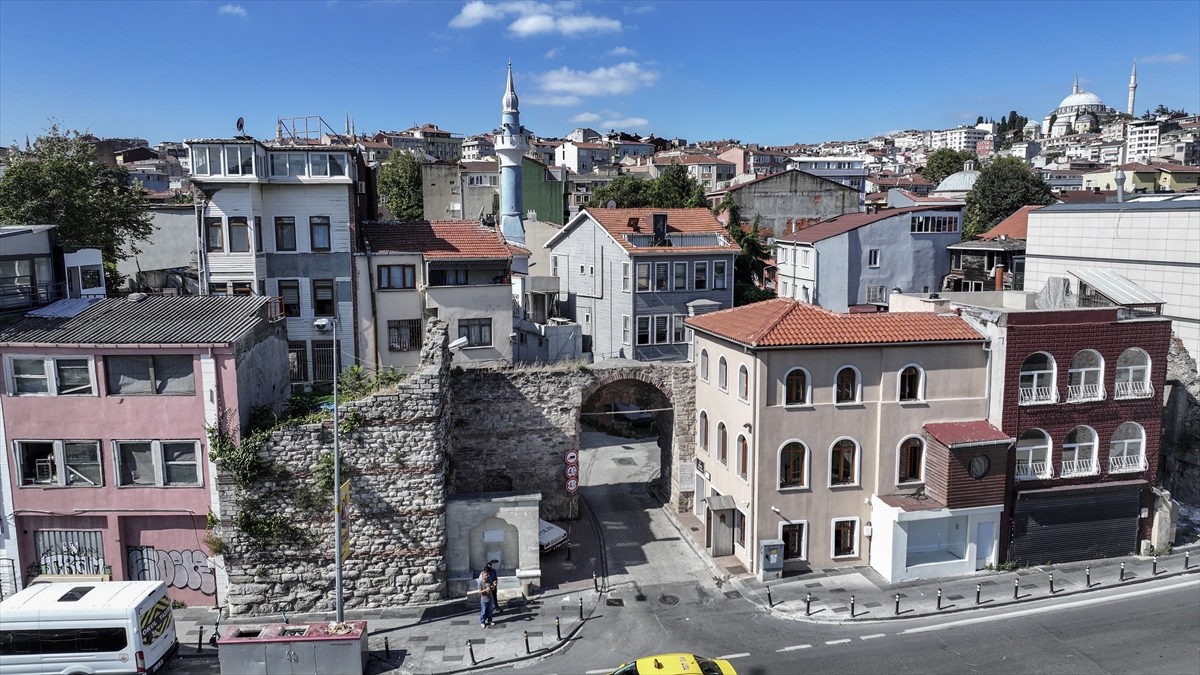
The history of Cibali Gate on Istanbul’s Golden Horn shore, which dates to the reign of Roman Emperor Septimius Severus and was recorded as Gate 2 in the first Ottoman census in 1455, remains connected to the city’s trade, maritime life, fires and social history.


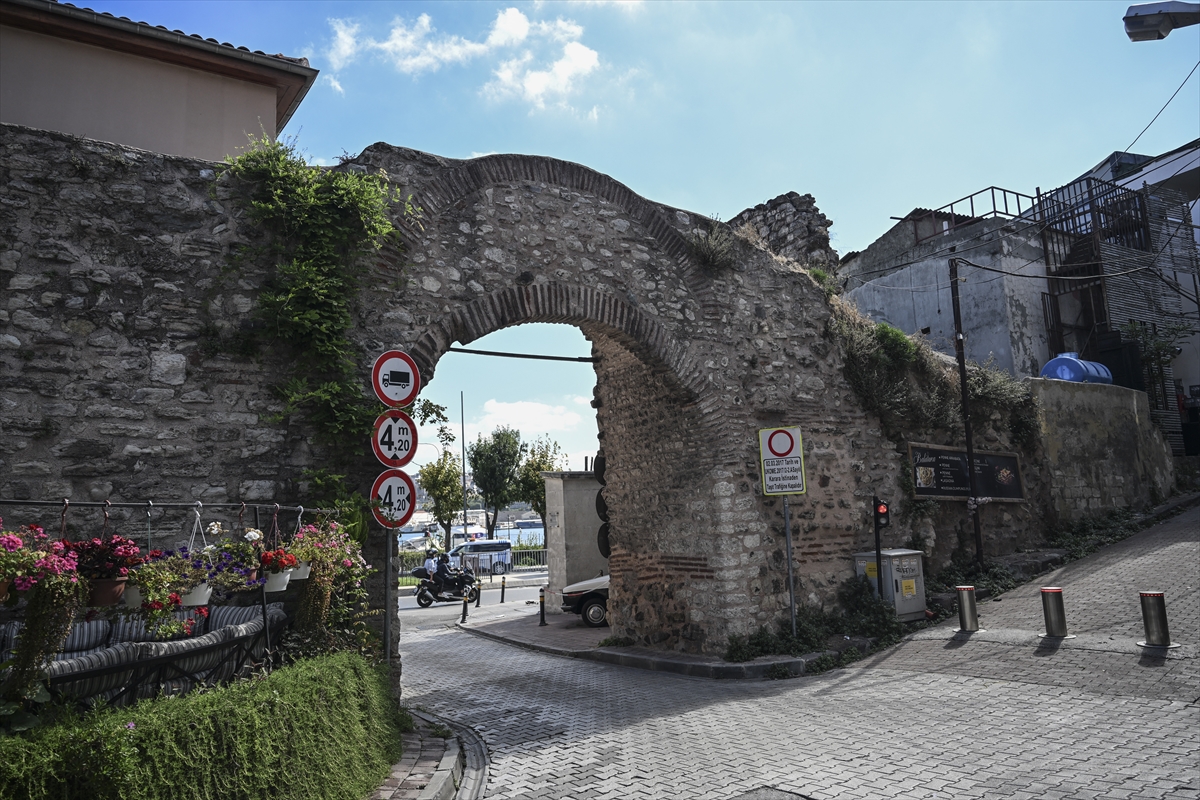
Cibali Gate, located on Istanbul’s Golden Horn shore, bears the traces of approximately 1,800 years of the city’s history, spanning the Roman, Ottoman and Republican periods. The gate was not merely a structure providing passage through the walls; it also emerged as an important center of Istanbul’s commercial, social and cultural life.
Art historian and academic Yasin Saygılı says the gate’s origins date back to the reign of Roman Emperor Septimius Severus, in the 2nd century AD. At a time when sea walls were being built along the Golden Horn, the gate enabled residents of inner neighborhoods to reach the port, unlike the defensive gates in the land walls.
A structure spanning the Roman period to the Republic
Cibali Gate was repaired at different times during the Roman, Byzantine, Ottoman and Republican periods. These interventions helped the structure survive to the present day.
The gate’s name also appeared in the first census commissioned by Ottoman Sultan Mehmed II in 1455. Known as Cibali Gate after the conquest of Istanbul, the structure continued to serve as one of the city’s entry and exit points in the centuries that followed.
Two accounts of the gate’s name
There is more than one historical account of the origin of Cibali Gate’s name. One links it to the Ottoman commander Cebe Ali, who is said to have been responsible for security in Bursa Province. Cebe Ali is said to have been among the first to enter Istanbul after the conquest, and a tomb was built for him beside the gate. The tomb underwent various changes over the years.
The second account is based on an Egyptian holy man who bore the same name. In the travel accounts he wrote in the 17th century, Ottoman traveler Evliya Çelebi mentions Cebe Ali among the holy men and dervishes who came to the area during the conquest of Istanbul.
According to this account, Cebe Ali came to Istanbul with 300 dervishes and was among the first people to enter the city. Such hagiographic and popular accounts became widespread during the final years of the Ottoman Empire, while the gate continued to be known as Cibali Gate.
A neighborhood at the center of maritime activity and trade
During the Ottoman period, economic life around the gate was influenced by the activities of the Imperial Arsenal, Tersane-i Amire, located on the opposite shore of the Golden Horn. The area was home to shops, workshops and workspaces connected to ships and the navy.
In some of these workshops, gaps between ship planks were sealed with insulation materials, after which the boats were coated with pitch for protection. Workplaces where fire was used, the prevalence of wooden houses and the area’s proximity to the sea frequently exposed the neighborhood to fires.
The 1633 fire and the tobacco ban
Istanbul experienced major fires throughout its history. The fire that broke out in Cibali in 1633 is also described as one of the city’s largest fires. It is said to have lasted three days and caused damage across a wide area.
One account holds that the fire started in a coffeehouse because of tobacco use. Sultan Murad IV is said to have banned the consumption of tobacco and tobacco products in Istanbul after the fire.
The establishment of a tobacco factory near the gate in 1884 is regarded as one of the notable contrasts in the area’s history. An area associated with a tobacco ban became home to a new structure linked to tobacco production approximately 250 years later.
Daily life and cultural memory
Life around Cibali Gate was not limited to trade. The Cibali Police Station near the gate also left its mark on Istanbul’s cultural and literary life.
The theater play Cibali Police Station was staged in Istanbul after the 1950s. This showed that the place of the gate and the structures around it in the city’s life endured not only through historical documents but also through cultural works.
There were numerous gates along Istanbul’s walls. Istanbul ranked among the world’s largest cities during the Roman, Byzantine and Ottoman periods, and these gates played a role in sustaining social and daily life within the city.
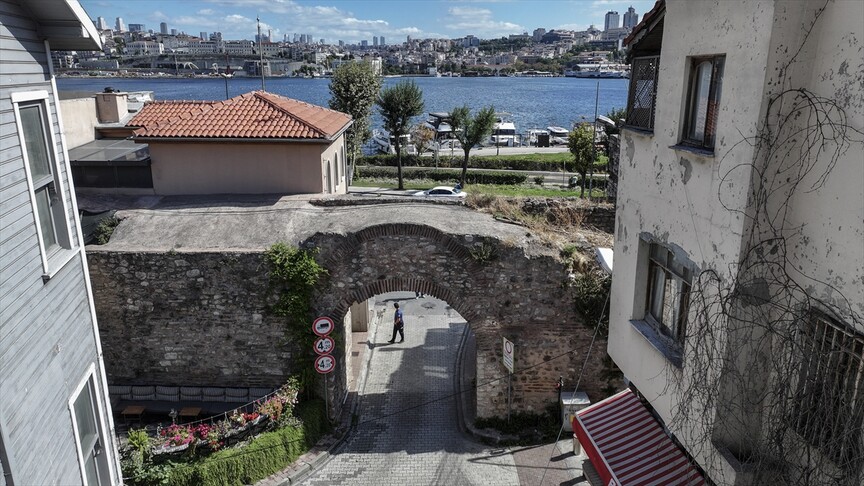
Some gates in Istanbul were closed or covered over time. Others were no longer needed. Cibali Gate, however, remains standing and continues to be used today, in addition to retaining its historical and symbolic importance.
Stay Updated with The Turkiye Times
Subscribe to be informed about special news, developments and announcements. We will keep you informed.
By signing up, you agree to our Privacy Policy