- BIST10011,722-2.89%
- USD49.45+0.05%
- EUR55.62+0.37%
- GOLD4,181.10+0.26%
- INTEREST37.00%-1.00
- BITCOIN81,095-0.35%
- October 18, 202614°
- BIST10011,722-2.89%
- USD49.45+0.05%
- EUR55.62+0.37%
- GOLD4,181.10+0.26%
- INTEREST37.00%-1.00
- BITCOIN81,095-0.35%
- October 18, 202614°
Excavations at Daskyleion uncover 2,600-year-old carbonized seeds
Excavations at the ancient city of Daskyleion in Balıkesir's Bandırma district have uncovered approximately 2,600-year-old carbonized seeds. In the area known as the Lydian Kitchen, archaeologists found einkorn, wheat, barley, legumes and grape seeds, as well as fish and bird bones.


Excavations at the ancient city of Daskyleion, located on the shore of Lake Manyas in Balıkesir's Bandırma district, have uncovered approximately 2,600-year-old carbonized seeds. The finds unearthed at the ancient city in the Ergili neighborhood provide information about the Lydians' dietary and culinary practices.
With a history dating back 3,000 years, Daskyleion has been the site of excavations since 1954. The work is being conducted under the direction of Prof. Dr. Kaan İren, a faculty member in the Archaeology Department of Muğla Sıtkı Koçman University.
The excavations, which began in July this year, are being carried out with the support of the Ministry of Culture and Tourism, the Balıkesir Governorship, Balıkesir Metropolitan Municipality, Manyas Municipality and Muğla Sıtkı Koçman University.
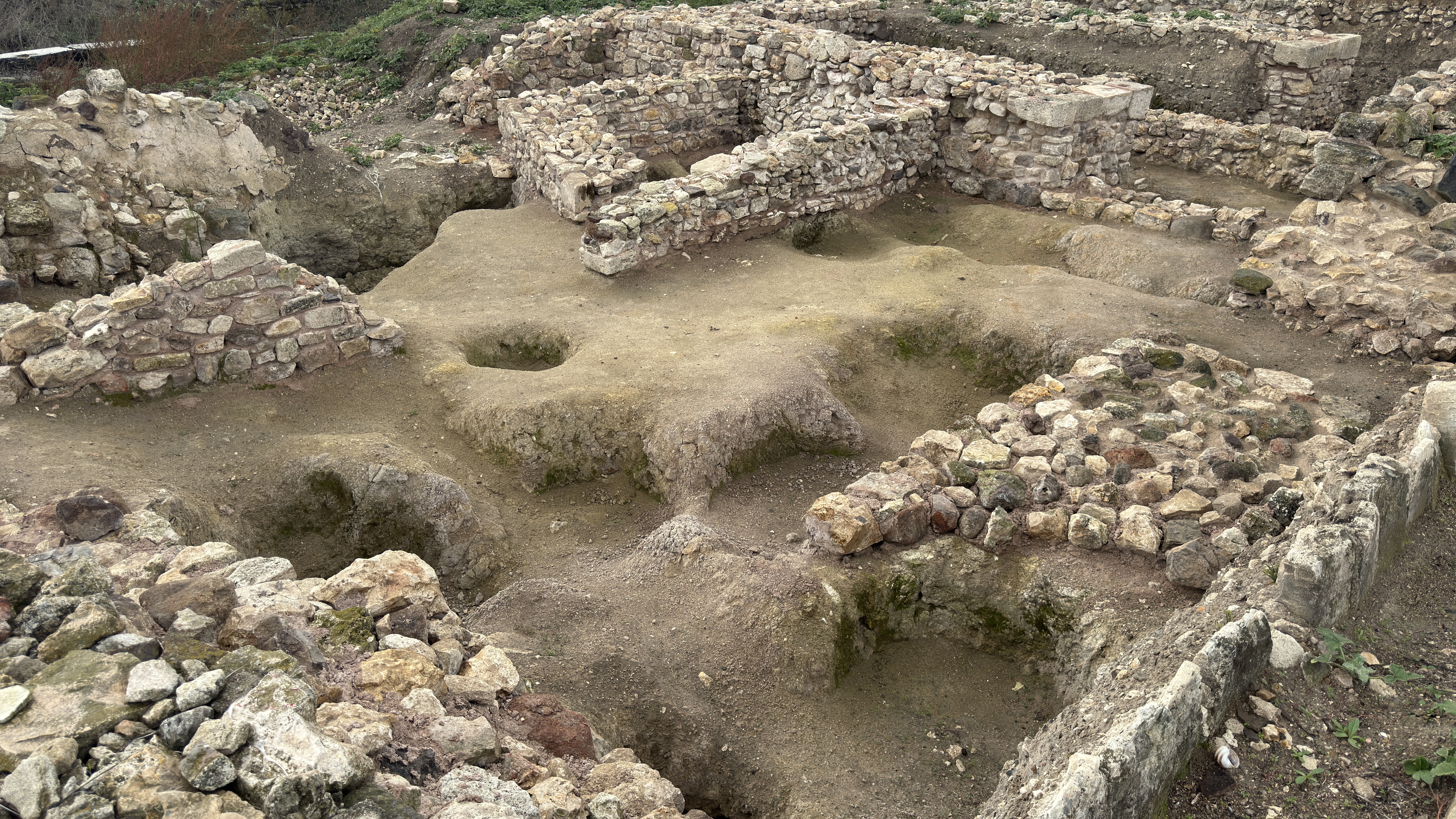
New ovens uncovered in the Lydian Kitchen
Archaeologists researching the dietary and culinary practices of the city's inhabitants have intensified their work in the area known as the Lydian Kitchen. New ovens were reached during excavations carried out with small, delicate tools.
The ovens contained einkorn, gernik, an awned wheat variety, wheat, six-row barley, broad beans, black vetch, chickpeas, peas, lentils, grass peas and grape seeds. A bedrock pit was found to have been used to store grains.
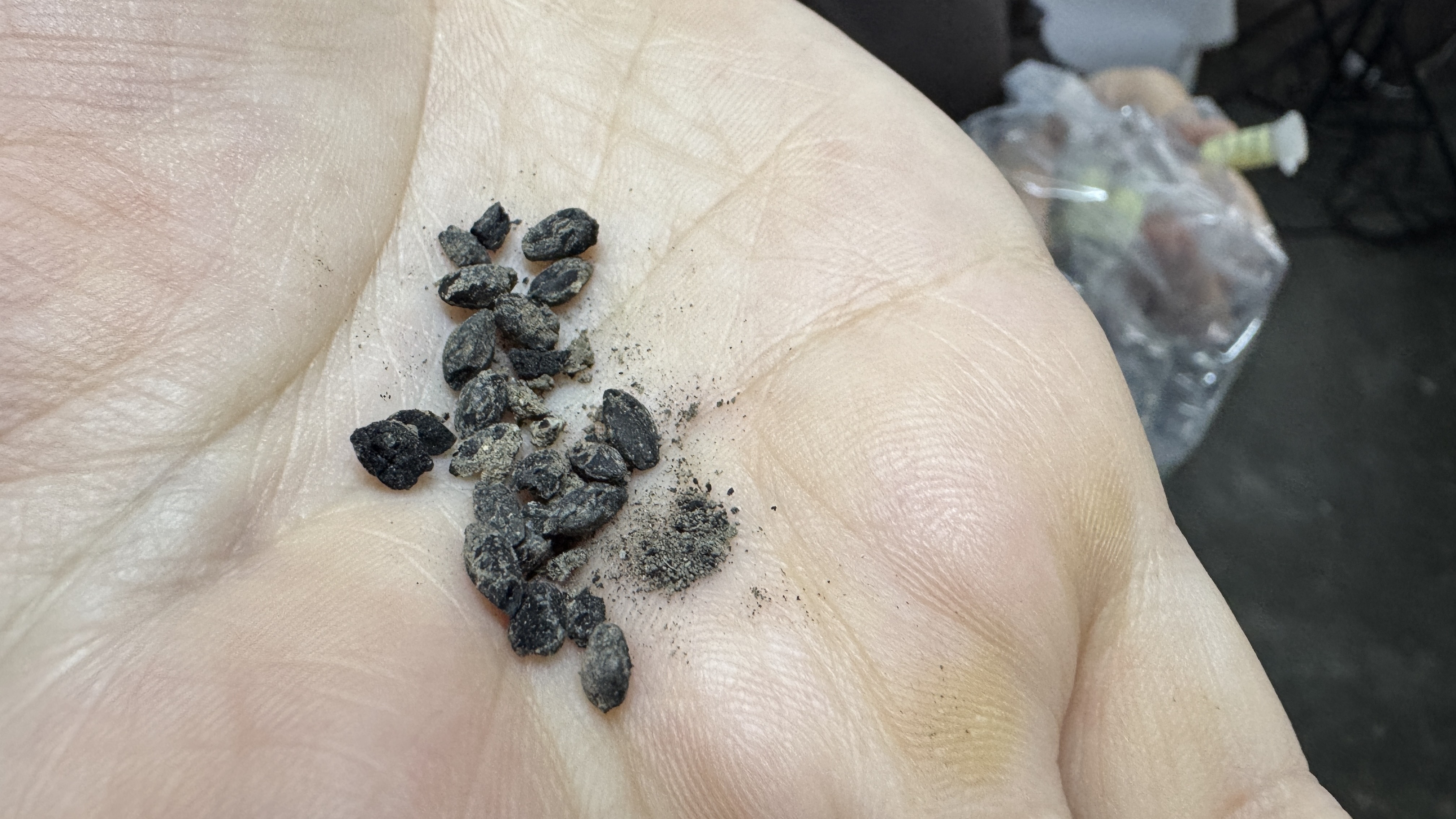
The excavations revealed how the products were stored approximately 2,600 years ago, which plants were consumed and how the kitchen was used in daily life.
Archaeologists uncover a total of seven ovens
Expert archaeologist Yeşim Kirman, who is part of the excavation team, said the excavation season was nearing its end and work in the Lydian Kitchen was continuing. Kirman said they had found another oven during excavations in the pantry area, bringing the total number of ovens uncovered to seven.
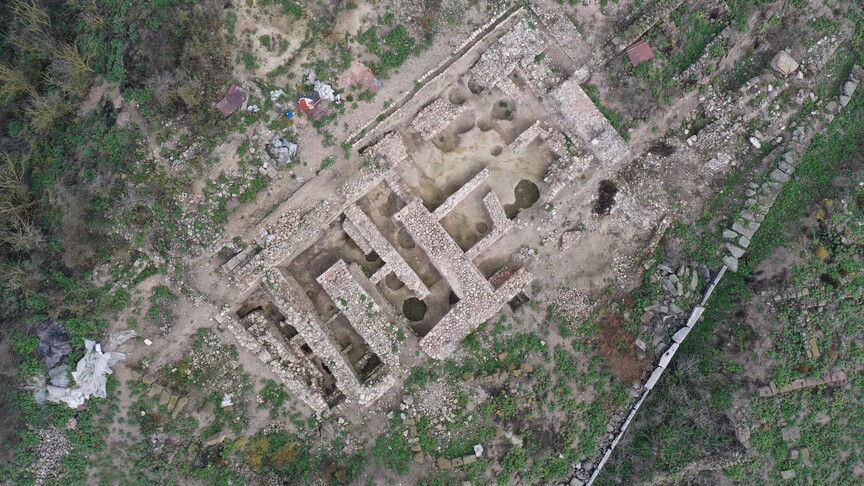
During the excavation of the soil inside the oven, archaeologists found fish and bird bones along with seeds from various foods. The type of the seeds and the period to which they belong will be determined after laboratory studies.
Kirman said the seeds had been preserved in carbonized form within a sealed layer, adding that they had found numerous products, including wheat, barley, chickpeas and lentils. She said the finds showed that organic materials could be preserved for long periods under suitable conditions.
Kirman said the Lydians used products similar to foods consumed today and noted that meals were cooked in ovens made of adobe. She added that the materials recovered from the excavations indicated that the kitchen had been used by people from the upper class.
Stay Updated with The Turkiye Times
Subscribe to be informed about special news, developments and announcements. We will keep you informed.
By signing up, you agree to our Privacy Policy