- BIST10011,722-2.89%
- USD49.45+0.05%
- EUR55.62+0.37%
- GOLD4,181.10+0.26%
- INTEREST37.00%-1.00
- BITCOIN81,489-0.02%
- October 17, 202613°
- BIST10011,722-2.89%
- USD49.45+0.05%
- EUR55.62+0.37%
- GOLD4,181.10+0.26%
- INTEREST37.00%-1.00
- BITCOIN81,489-0.02%
- October 17, 202613°
I Am Talking to Istanbul exhibition brings 7 artists together
Curated by Samed Karagöz, the “I Am Talking to Istanbul” exhibition will open with works by 7 artists in the lobby on the first floor of Block D at Istanbul Shopping Mall.
Scraper SystemUpdated:


Curated by Samed Karagöz, the "I Am Talking to Istanbul" exhibition will meet art lovers in the lobby on the first floor of Block D at Istanbul Shopping Mall. The exhibition can be visited free of charge until December 16.
Art interprets Istanbul’s multilayered identity
Featuring works by Ozan Türkkan, Eylül Alıcı, Kıvanç Aykan, Raziyye Kuzu Atalay, Server Demirtaş, Selçuk Artut and Fuat Değirmenci, the exhibition explores Istanbul’s identity, shaped by people, nature, architecture and memories, through different forms of expression in contemporary art.
Bringing together works from disciplines including painting, sculpture, installation, digital art, photography, ceramics and illustration, the exhibition takes its starting point from the question, "Does a city’s memory live only in people?" In this approach, Istanbul is reconsidered not only as the subject of the works but also as a living narrator.
Memory, technology and the city
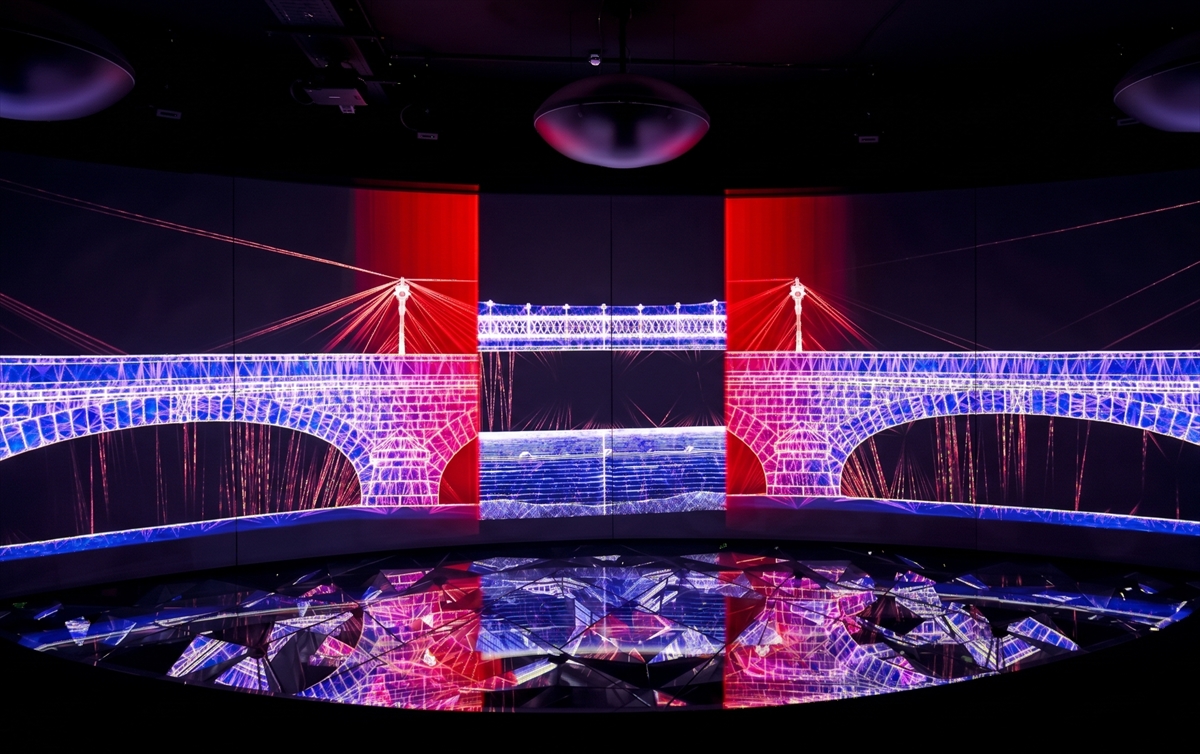
Server Demirtaş’s work "Self-Portrait" focuses on memories that remain unseen and accumulate over time, represented through a body concealed beneath a covering. The work establishes a connection between what the human body keeps hidden and the stories accumulated in Istanbul’s old walls, streets and shores.
Eylül Alıcı’s work "Neural City" approaches the city as an organism that constantly changes through people’s movements, encounters and relationships. By connecting neural networks in the human brain with the city’s complex structure, the work focuses on Istanbul’s dynamic form as it continues to take shape.
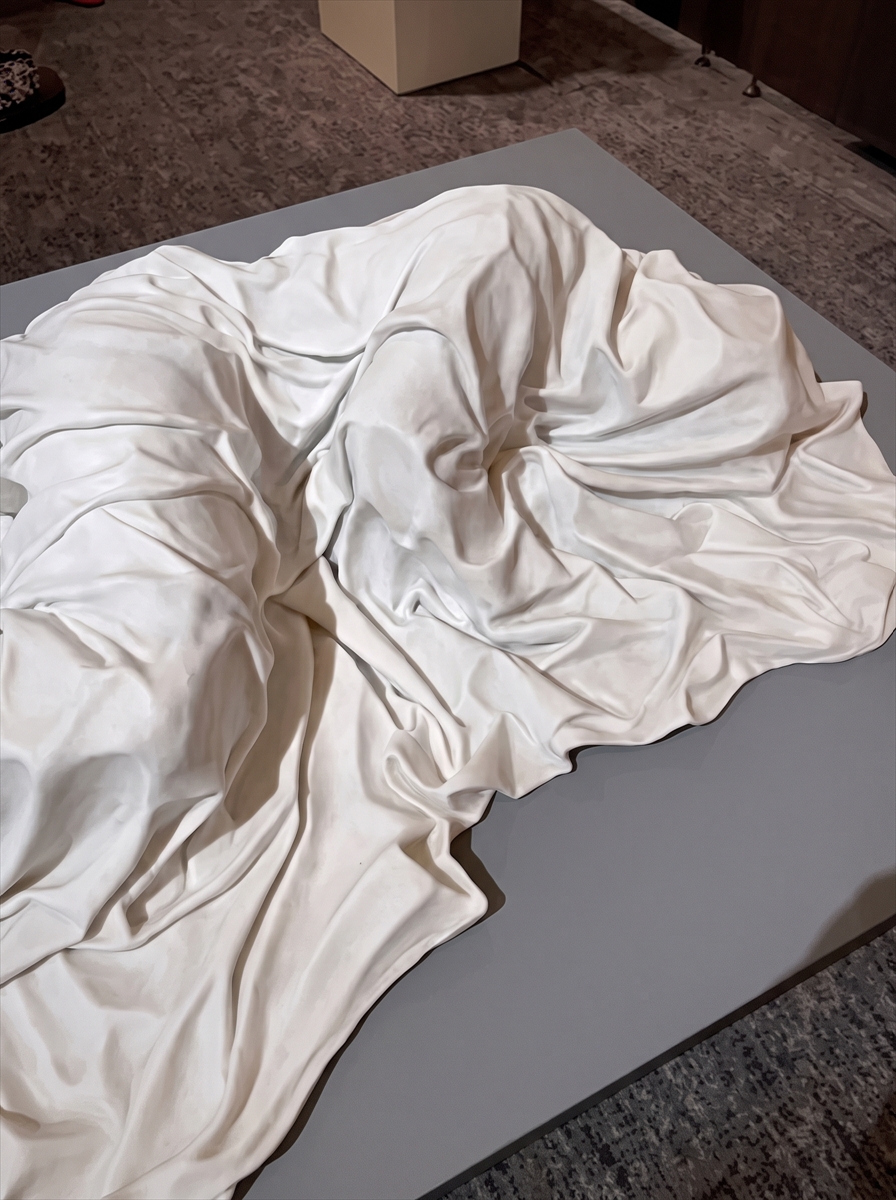
In Ozan Türkkan’s video installation "Bridges," historical bridge drawings and architectural plans are transformed into digital systems through creative coding and artificial intelligence processes. In the work, bridges are interpreted not only as physical points of connection but also as symbols of communication, encounters and collaboration.
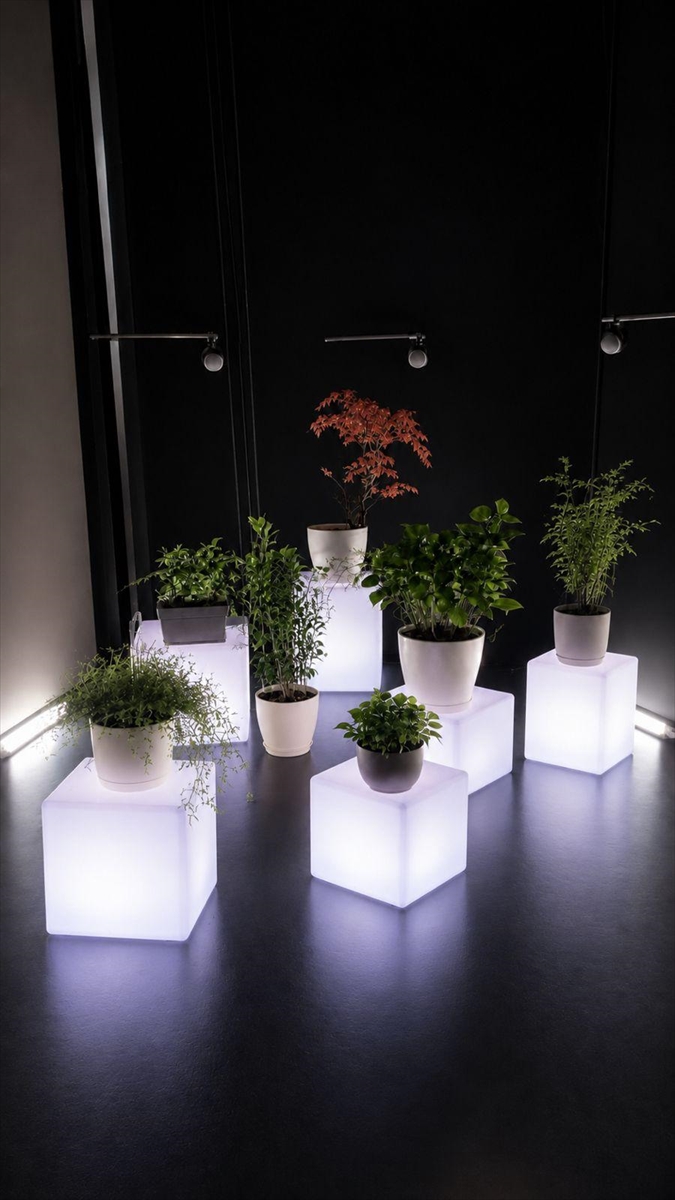
Kıvanç Aykan’s interactive work examines the relationship between people, nature and technology through plants that accompany urban life on Istanbul’s balconies and windows. The work focuses on considering plants as part of the city’s memory.
Traditional motifs and generative technologies
Raziyye Kuzu Atalay’s work "Latent İlmekler" reinterprets Turkish carpet and kilim motifs through artificial intelligence-supported algorithms. Producing new compositions in real time with deep-learning-based systems, the work explores the visual forms that traditional motifs acquire alongside changing technology.
Selçuk Artut’s "Geomart-ut7" series connects geometric art with today’s generative technologies. The work, in which simple geometric forms move and transform into complex structures, examines repetition, infinity, order and chaos through the possibilities of computational art.
Fuat Değirmenci’s work "Minimal Renaissance" explores the boundaries between physical and digital experience. The work contributes to the exhibition’s narrative of Istanbul, constructed through different forms of expression.
Addressing Istanbul’s timeless spirit and changing urban identity through contemporary art, the exhibition invites visitors to reconsider their relationship with the city.
Stay Updated with The Turkiye Times
Subscribe to be informed about special news, developments and announcements. We will keep you informed.
By signing up, you agree to our Privacy Policy