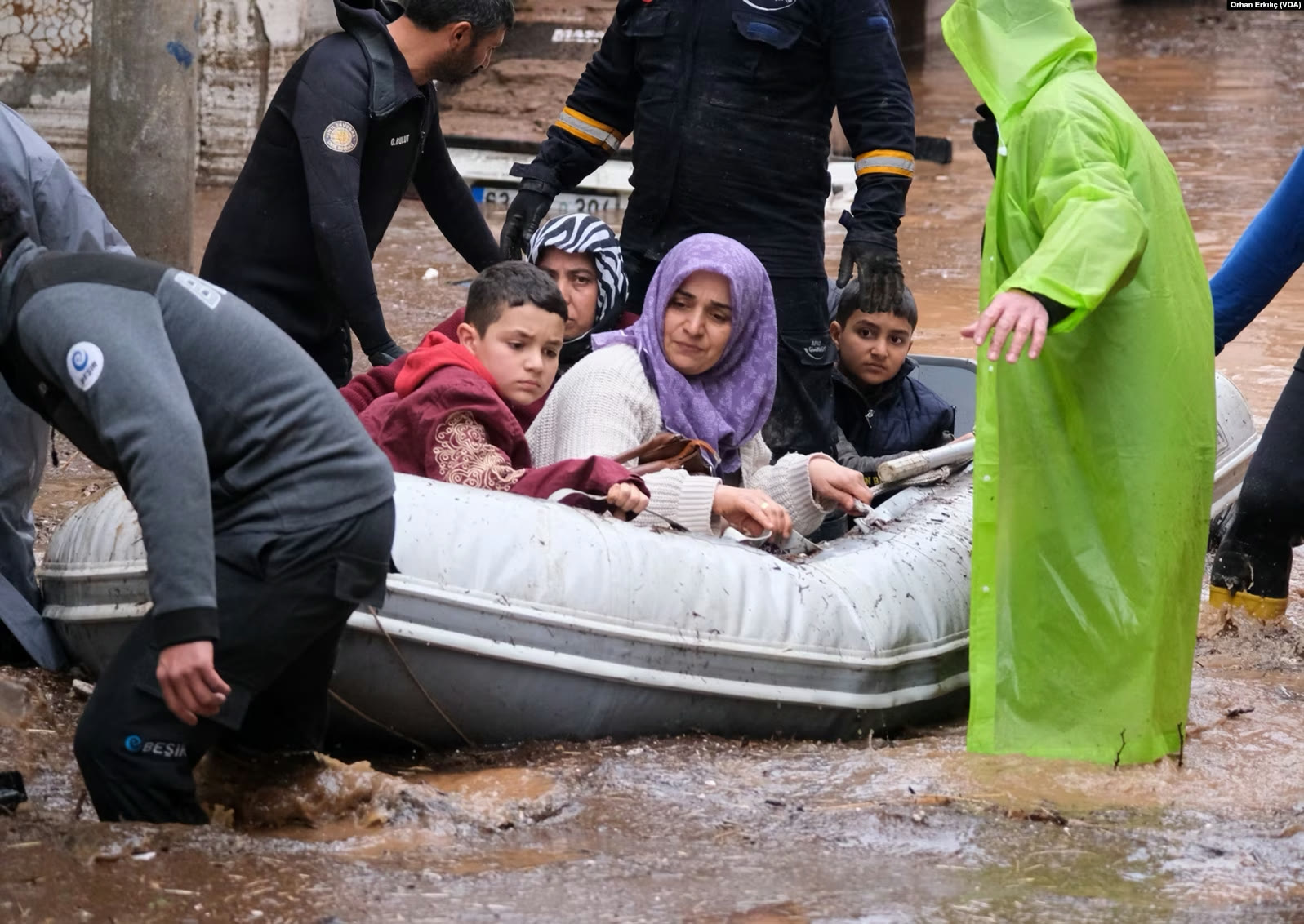
The Insurance Association of Türkiye outlined the steps that should be followed after floods and inundation to protect lives, prevent further damage and ensure that insurance procedures are handled properly.
People should not enter flooded buildings, basements or enclosed parking garages without confirming that they are safe. If electrical systems have come into contact with water, people should not touch electrical switches, outlets or appliances. Electrical and natural gas systems should be inspected by authorized professionals.
The association urged people to follow warnings from the relevant authorities and stay away from hazardous areas. It also advised contacting the 112 Emergency Call Center in the event of an immediate danger.

Damage notifications should not be delayed
If a home, workplace or vehicle is damaged by flooding or inundation, the policyholder should contact the insurance company or agency to open a claim file. The policy number, the address where the damage occurred and the nature of the damage should be provided when reporting the loss. Policyholders should follow the insurer’s instructions and keep the claim file number.
Reporting damage on time helps speed up the assessment and compensation processes. It is also important to comply with the notification deadlines specified in the policy.
Damage should be documented with photos and videos
To ensure an accurate damage assessment, flooded areas should be photographed and filmed under safe conditions. Damaged furniture, household appliances, electronic devices and other belongings should be recorded, along with stock, machinery, equipment and fixed assets at workplaces.
Where possible, a list should be prepared showing the brands, models and approximate values of the damaged items. Purchase invoices, service records and other documents should be retained. Damaged items should not be discarded before the assessment is completed. Materials that must be removed should be documented beforehand.
Safe action is needed to prevent further damage
Policyholders should take reasonable and safe measures to prevent the damage from worsening. If it is safe to do so, water should be drained, undamaged belongings should be moved to safe areas and electrical devices should not be used before they are inspected.
Hazards that could cause greater damage should be addressed by authorized professionals. Invoices for cleaning, water removal and emergency response costs should be retained. The association said people should not wait for a loss adjuster before taking urgent and necessary measures, but recommended contacting the insurance company, where possible, before extensive repairs, renovations or the complete removal of damaged materials.
Building and contents coverage are assessed separately
If a home insurance policy includes flood and inundation coverage, damage to walls, floors, doors and fixed installations may be covered in accordance with the policy. Fixed fittings such as flooring and kitchen cabinets, as well as furniture, carpets, household appliances, electronic devices and other insured household belongings, may also be assessed under the policy terms.
Because building and contents coverage can be arranged separately, insuring only the building does not mean that all belongings in the home are covered. Tenants can also insure their own belongings. Damage to the building and its contents is assessed separately under the relevant policies.
Workplace stock and machinery should be recorded
If workplace insurance includes flood and inundation coverage, damage to the building and fixed installations, commercial goods and stock, machinery, equipment and production lines, electronic devices and fixed assets may be assessed under the policy.
Income losses resulting from the suspension of business operations may also be covered if the policy includes business interruption or loss-of-profit coverage and the relevant conditions are met. Damaged stock and machinery should be documented in detail, with inventory records and invoices prepared where possible.
Vehicles exposed to water should not be started
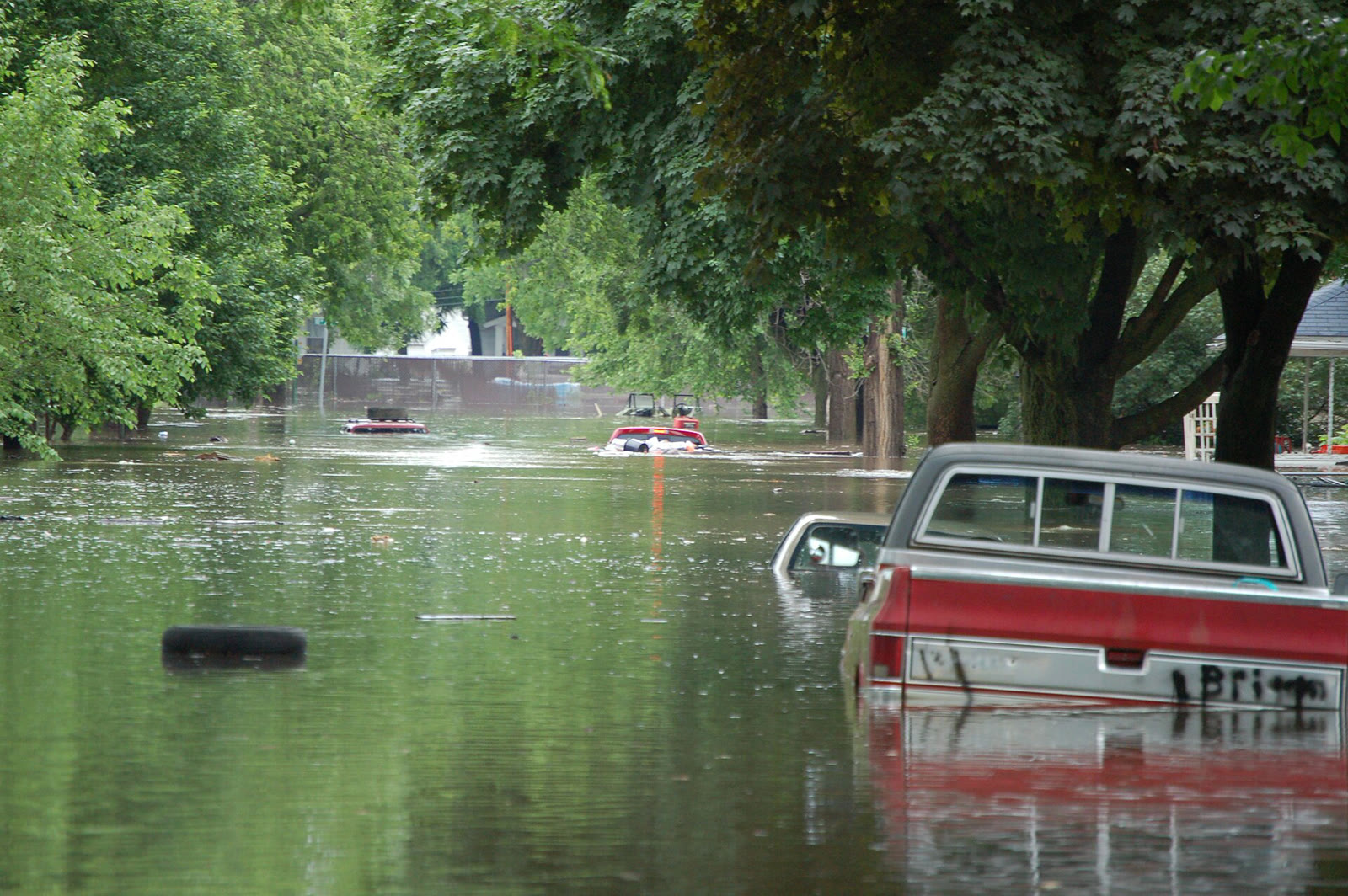
Starting the engine of a vehicle damaged by flooding or inundation can worsen the existing damage. For this reason, a vehicle exposed to water should not be started, moved or forced to restart its engine.
The vehicle’s condition should be photographed under safe conditions. If it has comprehensive motor insurance, the damage should be reported to the insurance company. The insurer’s instructions should be followed regarding towing and taking the vehicle to a repair shop. Except for emergency rescue and protective measures required for safety, extensive repairs should not begin without the company’s approval and inspection.
The battery and electrical components of electric vehicles should not be handled, and the vehicle should not be started or connected to a charger. Contacting the insurance company for suitable towing assistance is recommended.
Compensation is determined according to policy terms
After the damage is reported, the insurance company opens a claim file and appoints a loss adjuster. The adjuster assesses the damaged property and conducts the necessary inspections to determine the cause, scope and amount of the damage.
When compensation is calculated, the coverage and insured amounts specified in the policy, limits, deductibles, other policy terms and the amount of damage determined through the assessment are taken into account. Since each claim is assessed according to the terms of the relevant policy, the policy coverage should be checked.
Precautions should be taken in advance against flood risks
To reduce the risk of flooding and inundation, risk assessments should be carried out in homes and workplaces. Where possible, valuables and critical equipment in basements and areas at high risk of flooding should be kept at higher levels.
Drainage and water removal systems should be serviced regularly, meteorological warnings should be monitored and insurance policies should be reviewed regularly. Policyholders should check whether their policy includes flood and inundation coverage and ensure that the insured amounts reflect current values.
















