The Insurance Association of Türkiye announced the steps that should be followed after floods and inundations to protect lives, prevent damage from growing and handle insurance procedures correctly.
Buildings, basements and indoor car parks hit by flooding should not be entered before making sure they are safe. If the electrical installation has come into contact with water, it is important not to touch light switches, sockets and electrical appliances, and to have the electricity and natural gas installations checked by authorized persons.
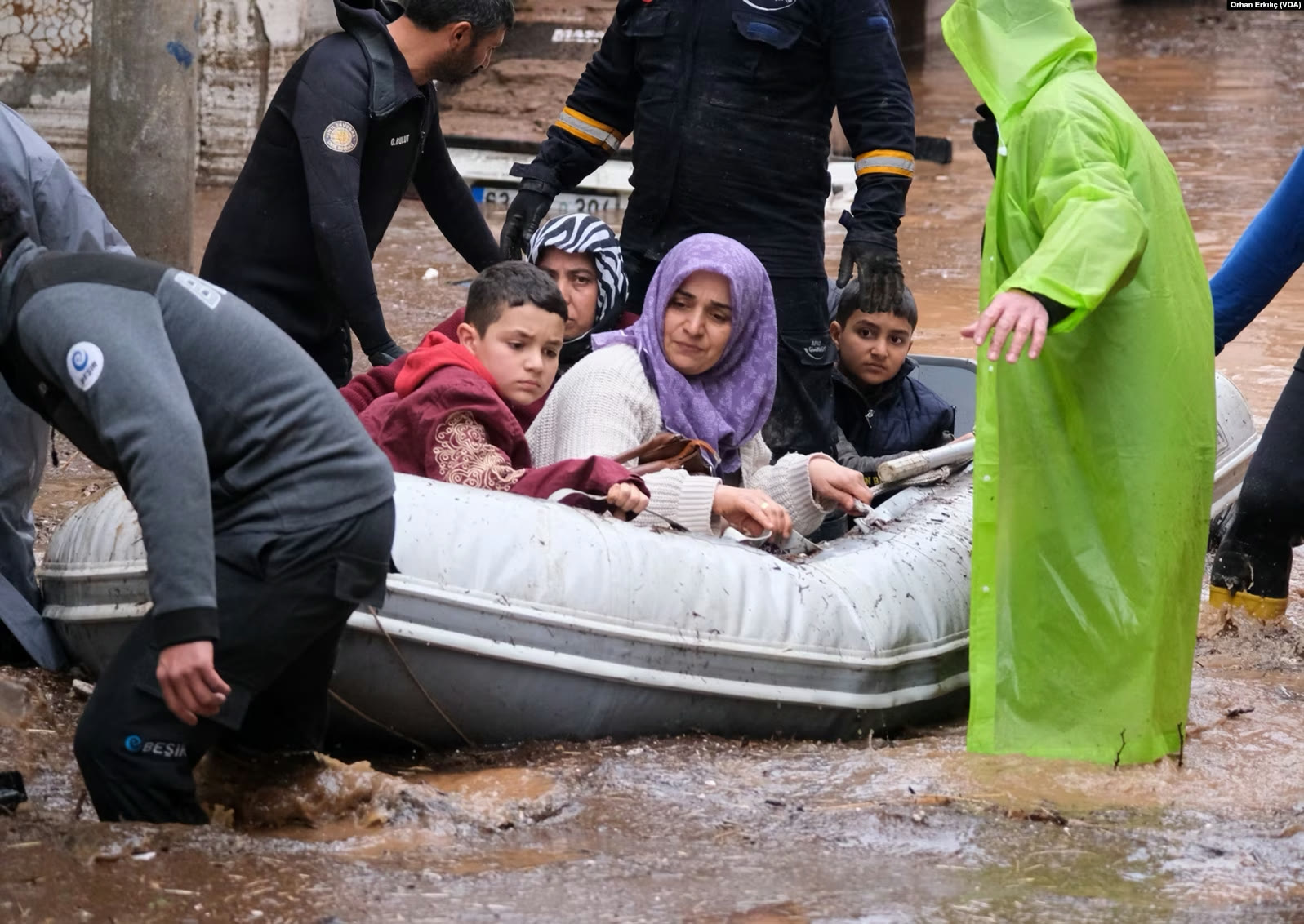
The association said warnings from the competent authorities should be followed and risky areas avoided, and asked people to call the 112 Emergency Call Center in case of imminent danger.

Damage should be reported without delay
If a home, workplace or vehicle is damaged by a flood or inundation, the insurance company or agency should be contacted to open a claim file. When reporting the damage, the policy number, the address where the damage occurred and the nature of the loss should be shared, the insurance company's instructions should be followed and the claim file number should be kept.
Reporting damage on time helps the loss assessment and compensation processes move faster. Complying with the notification periods specified in the policy is also important.
Damage should be documented with photos and videos
To ensure an accurate damage assessment, it is recommended that photos and videos of flooded areas be taken under safe conditions. In addition to damaged furniture, household appliances, electronic devices and other belongings, stock, machinery, equipment and fixtures at workplaces should also be recorded.
If possible, a list including the brand, model and approximate value of damaged items should be prepared, and purchase invoices, service records and other documents should be kept. Damaged items should not be disposed of before the damage assessment is completed, and materials that must be removed should be documented beforehand.
Safe intervention to keep damage from growing
Policyholders are required to take reasonable and safe measures to prevent the damage from increasing. If it is safe, draining the water, moving undamaged items to safe areas and not using electrical appliances before they are checked are recommended.
Hazards that could cause greater damage should be eliminated by authorized persons, and invoices for cleaning, drainage and emergency response costs should be kept. While it was noted that there is no need to wait for the loss adjuster for urgent and necessary interventions, it is recommended that the insurance company be consulted, if possible, before extensive repairs, renovations or complete removal of damaged materials.
Building and contents coverage are assessed separately
If a home insurance policy includes flood and inundation coverage, damage to walls, floors, doors and fixed installations may be covered depending on the scope of the policy. Parquet flooring, kitchen cabinets and other fixed fittings, as well as furniture, carpets, household appliances, electronic devices and other insured household goods, may also be assessed according to the policy terms.
Since building and contents coverage can be arranged separately, having only the building insured does not mean all belongings in the home are covered. Tenants can also insure their own belongings. Damage to the building and to belongings is examined separately under the relevant policies.
Workplaces should record stock and machinery
If a workplace insurance policy includes flood and inundation coverage, damage to the building and fixed installations, commercial goods and stock, machinery, equipment and production lines, electronic devices and fixtures may be assessed according to the scope of the policy.
Loss of income caused by the suspension of business operations may also be covered if there is business interruption or loss of profit coverage that meets the relevant conditions. Damaged stock and machinery should be documented in detail, and inventory records and invoices should be prepared if possible.
Vehicles exposed to water should not be started
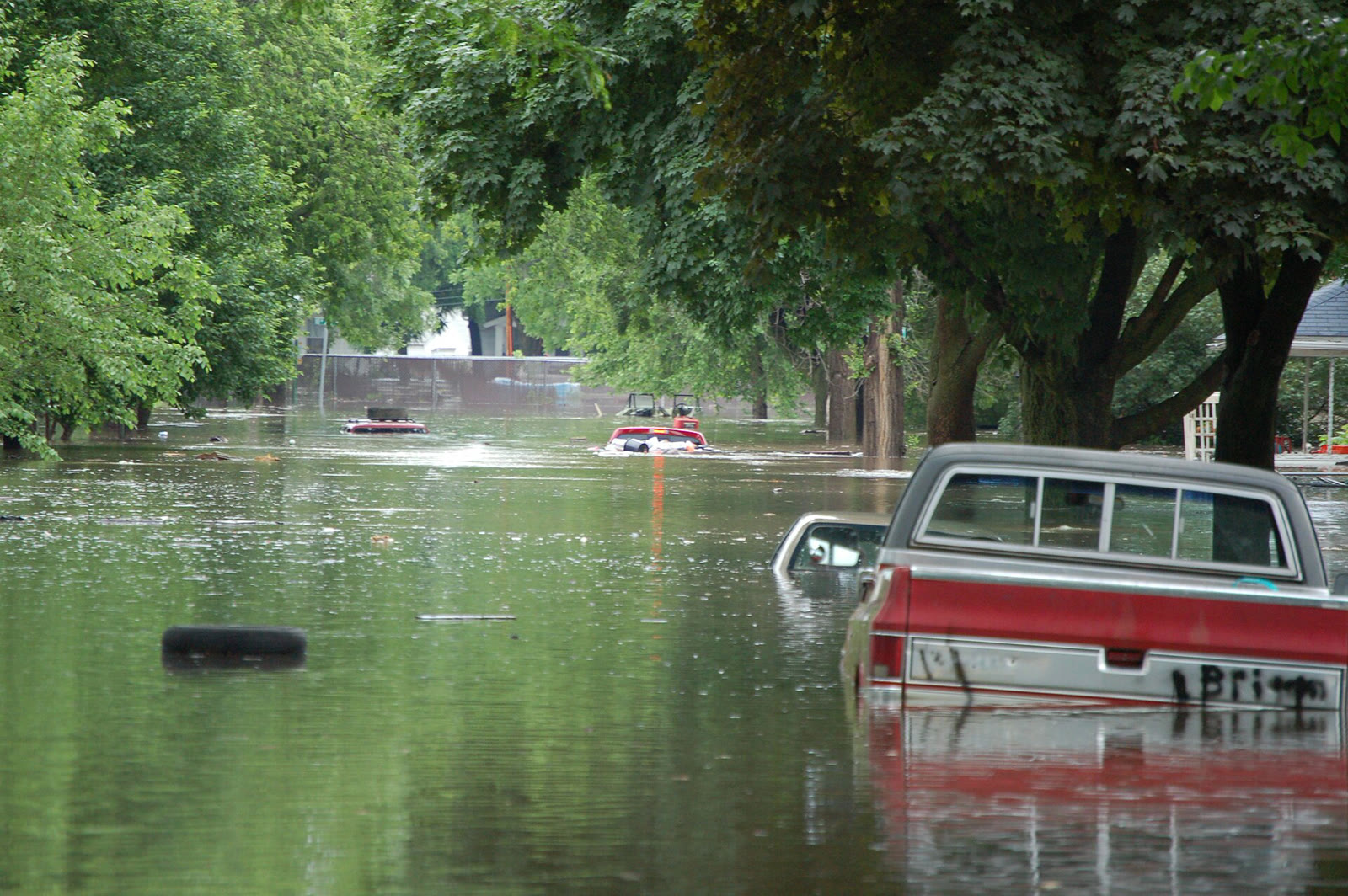
Starting the engine of a vehicle damaged in a flood or inundation can make the existing damage worse. For this reason, a vehicle exposed to water should not be started, and it should not be forced to move or have its engine restarted.
The current condition of the vehicle should be photographed under safe conditions, and if it has comprehensive motor insurance (kasko), the damage should be reported to the insurance company. The insurance company's instructions on towing the vehicle and taking it to a service center should be followed, and extensive repairs should not begin without the company's approval and inspection, except for emergency rescue and protection measures necessary for safety of life.
In electric vehicles, the battery and electrical components should not be tampered with, and the vehicle should not be started or plugged in to charge. It is recommended to contact the insurance company for suitable towing support.
Compensation is determined by policy terms
After the damage is reported, the insurance company opens a file and appoints a loss adjuster. The adjuster carries out the necessary examinations to determine the cause, extent and amount of the damage and assesses the damaged assets.
When calculating the compensation to be paid, the coverage in the policy, sums insured and limits, deductibles, other policy terms and the amount of loss determined by the adjuster's assessment are taken into account. Since each claim is assessed according to the terms of the relevant policy, the scope of the policy should be checked.
Precautions should be taken in advance against flood risk
To reduce the risk of floods and inundations, it is recommended that a risk assessment be carried out in homes and workplaces, and that valuables and critical equipment in basements and areas with a high likelihood of flooding be kept at higher levels where possible.
Drainage and water discharge systems should be maintained regularly, meteorological warnings should be followed and the insurance policy should be reviewed regularly. People should check whether their policy includes flood and inundation coverage and make sure the sums insured reflect current values.
















