- BIST10011,220-3.08%
- USD49.60+0.05%
- EUR55.68+0.11%
- GOLD4,062.40-2.11%
- INTEREST36.00%-1.00
- BITCOIN80,958-3.65%
- October 22, 202619°
- BIST10011,220-3.08%
- USD49.60+0.05%
- EUR55.68+0.11%
- GOLD4,062.40-2.11%
- INTEREST36.00%-1.00
- BITCOIN80,958-3.65%
- October 22, 202619°
IRENA calls for grid investment to support electrification at COP31
La Camera said the COP31 agenda should prioritize the electrification initiative and investment in electricity grids. Noting that renewable sources accounted for 43% of Türkiye’s electricity generation in 2025, La Camera called for stronger grid infrastructure.


La Camera said the COP31 agenda should prioritize the electrification initiative and increase investment in electricity grids, energy storage and infrastructure for the energy transition.
La Camera said she was pleased with the cooperation between IRENA and the COP31 Türkiye Presidency, adding that concrete results had begun to emerge during the preparatory process. She noted that increasing electricity’s share of the overall energy system was important for an energy system aligned with the goals of the Paris Agreement.
Flexible grids key to electrification
La Camera said that increasing electricity generation capacity alone would not be enough to meet the goal of raising the electrification rate of the energy system to 35% by 2035. She said the infrastructure needed to distribute electricity throughout the system must also be developed.
Emphasizing that grids must be interconnected, flexible and balanced, La Camera said electrification was accelerating in areas such as buildings, automobiles, transport and industry. She said artificial intelligence and data centers were increasing electricity demand, adding that rising energy needs must be taken into account in the decarbonization process.
La Camera said COP31 offered an important opportunity to move from global climate targets to implementation. She said the electrification pledge prepared for COP31 comprehensively addressed grids, energy storage and infrastructure, adding that they expected as many countries as possible to support the pledge.
La Camera said the pledge could contribute to the negotiation process if it secured the support of a sufficient number of countries. She said the initiative supported COP31’s aim of turning climate goals into concrete action. Noting that some countries might resist the process, La Camera said Türkiye could contribute to a positive outcome by mediating between differing positions.
Türkiye’s renewable energy potential
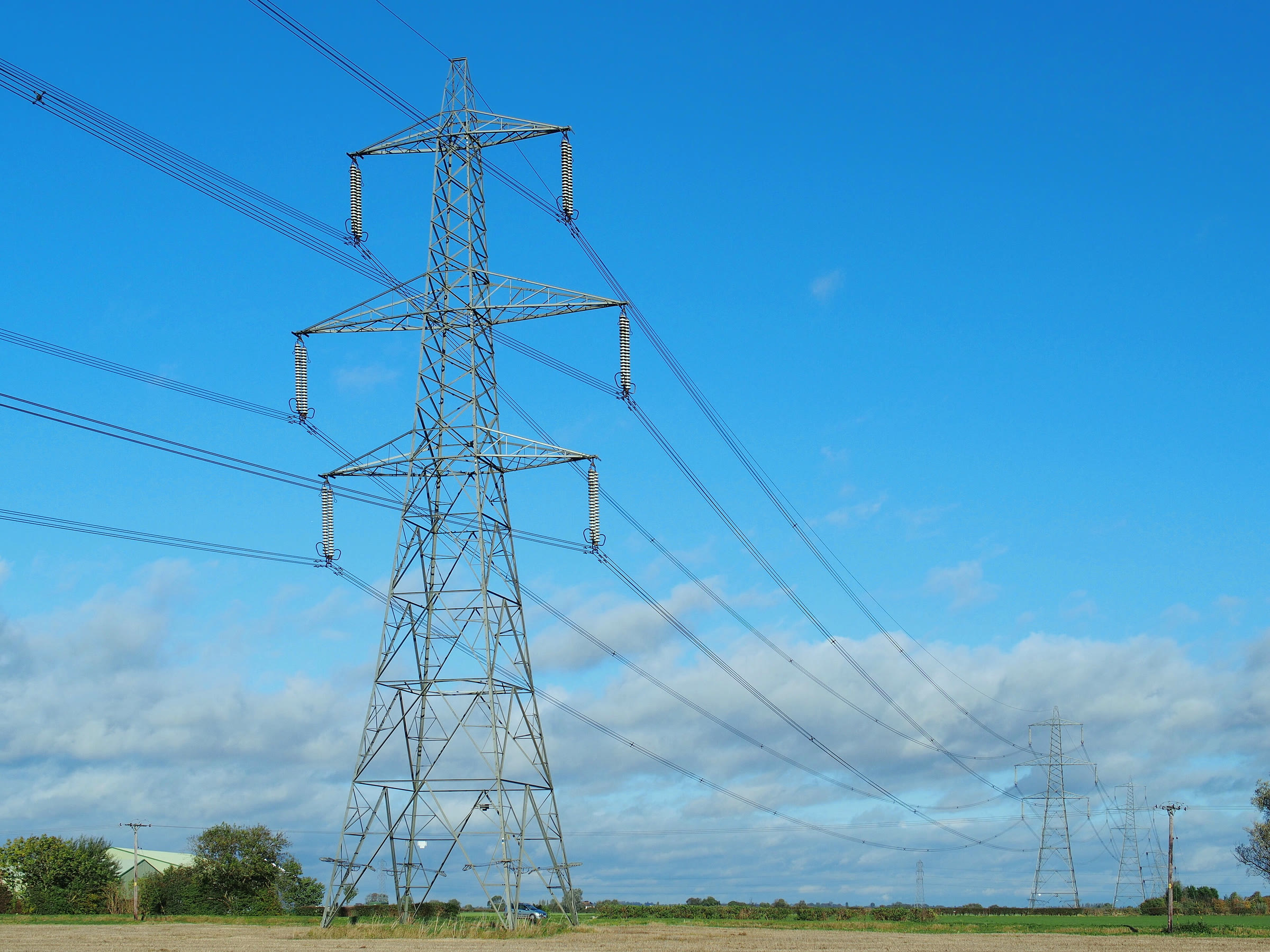
Referring to Türkiye’s solar, wind and geothermal energy potential, La Camera said the inability of existing electricity grids to accommodate new capacity was one of the main obstacles to renewable energy investments.
La Camera said renewable sources accounted for 43% of Türkiye’s electricity generation in 2025, emphasizing that electricity connections must be strengthened to sustain this progress. Drawing attention to Türkiye’s strategic position between Central Asia and Europe, La Camera said developing grid infrastructure was important to accelerate renewable energy investments.
La Camera said that in some cases, the legal and regulatory framework needed to be made more suitable for bringing additional renewable energy capacity online. She said geothermal energy functioned as a natural battery because it could generate power around the clock, and viewed Türkiye’s investments in solar and wind energy positively.
Financing grid investments
Highlighting the importance of access to financing in developing electricity infrastructure, La Camera said Türkiye was well positioned to secure financing from international organizations. She said grid investments should not be viewed solely as a cost item, adding that once the infrastructure was established, companies could transmit the electricity they generated to the grid and earn revenue.
La Camera said Türkiye had attracted the interest of international financial institutions and had so far performed successfully in accessing the financing the country needed.
Stay Updated with The Turkiye Times
Subscribe to be informed about special news, developments and announcements. We will keep you informed.
By signing up, you agree to our Privacy Policy