- BIST10012,225-0.21%
- USD49.37+0.07%
- EUR55.21+0.01%
- GOLD4,164.80-0.30%
- INTEREST37.00%-1.00
- BITCOIN83,301+0.25%
- October 14, 202618°
- BIST10012,225-0.21%
- USD49.37+0.07%
- EUR55.21+0.01%
- GOLD4,164.80-0.30%
- INTEREST37.00%-1.00
- BITCOIN83,301+0.25%
- October 14, 202618°
Livestock farms to be classified into five tiers based on infrastructure and biosecurity
Under a regulation prepared by the Ministry of Agriculture and Forestry, cattle, buffalo, sheep and goat farms registered in the Ministry’s database will be classified as A, B, C, D or E according to their physical infrastructure and biosecurity conditions. Operating farms will be classified within one year, and inspections will be conducted when deemed necessary.


The Regulation on the Classification of Livestock Farms, prepared by the Ministry of Agriculture and Forestry, entered into force after being published in the Official Gazette. Under the regulation, cattle, buffalo, sheep and goat farms registered in the Ministry’s database will be assigned to one of the A, B, C, D or E classes according to their physical infrastructure and biosecurity conditions.
Farms will be inspected on site by provincial or district directorates of agriculture and forestry. Farms that do not meet the minimum requirements set for Class D will be evaluated as Class E.
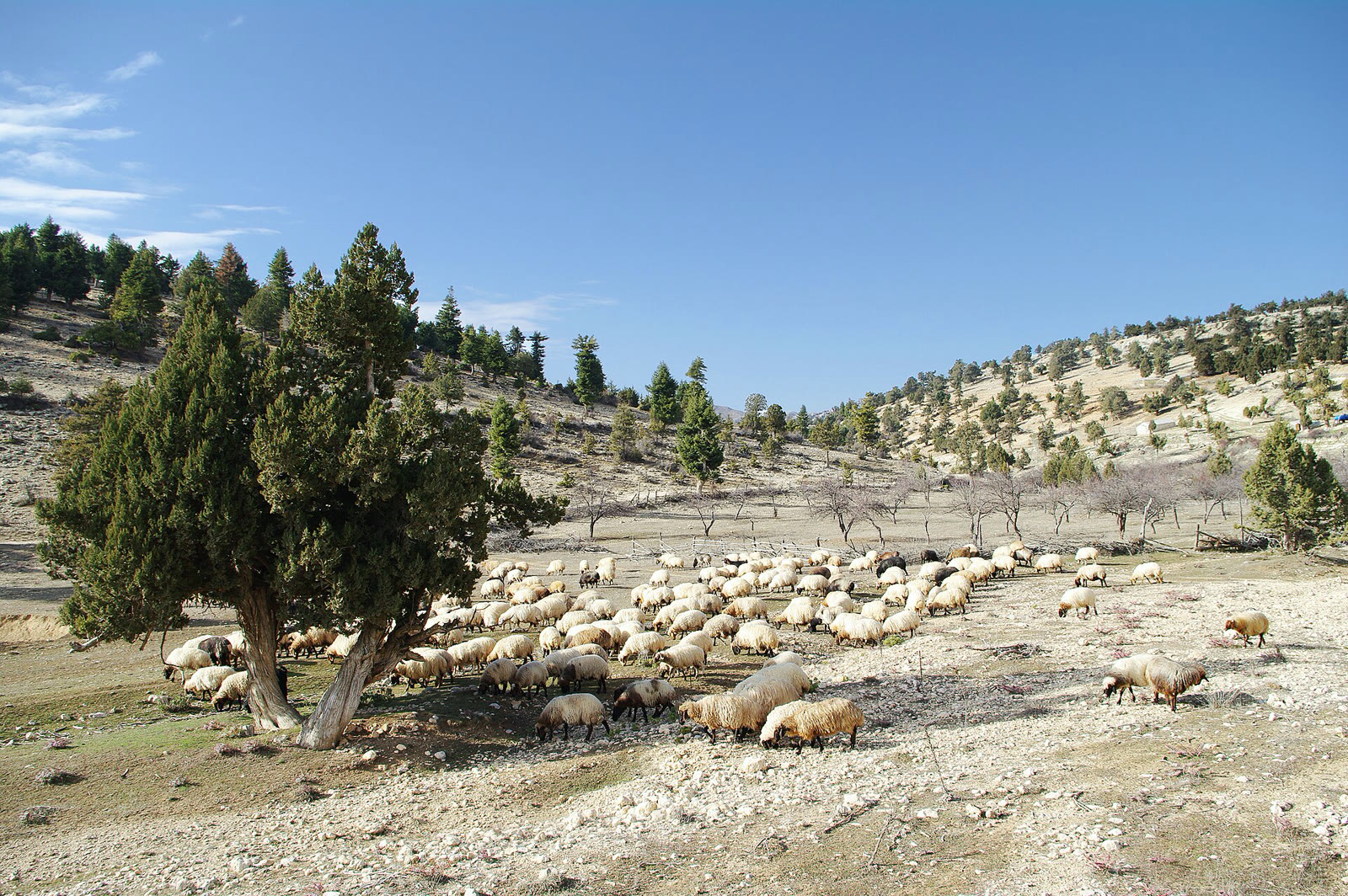
Basic biosecurity requirements for Class D
In Class D farms, livestock activities will be carried out in a clearly demarcated, independent section separated from structures used for non-livestock purposes on the same premises. Equipment used for animal care will be disinfected regularly.
Equipment enabling people entering areas where animals are kept to disinfect their footwear will be provided. Farms will also have cleanable feeding and watering equipment, as well as ventilation facilities meeting minimum animal-welfare standards.
Enclosure and animal-welfare requirements for Class C
In Class C farms, in addition to the requirements for Class D, the farm boundaries will be enclosed with walls, fences, wire mesh or other suitable materials. The measure is intended to control the entry of animals.
When animals are housed outdoors, shaded areas and shelters from rain will be provided to protect them against adverse weather conditions. Class C farms will also have automatic watering systems, a vaccination chute or a restraint system, and a live-animal scale.
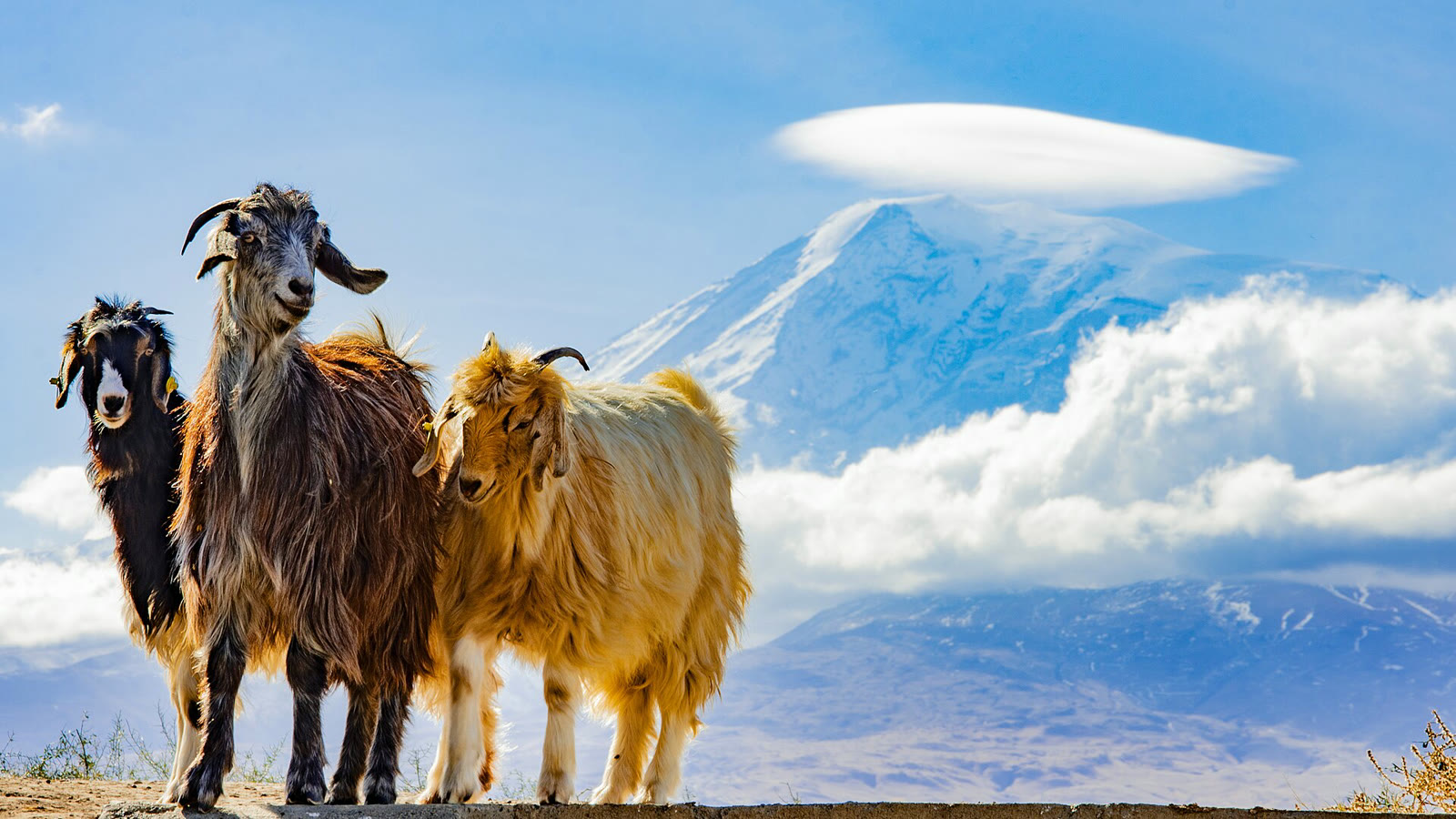
Health certification and record-keeping requirements for Class B
In Class B farms, in addition to the Class C requirements, a disease-free establishment health certificate designated by the Ministry will be required. Biosecurity rules to be applied in different sections of the farm will be displayed on written signs.
All vehicles and visitors entering or leaving the farm will be recorded. Measures will be taken to prevent vehicles from entering the farm premises. Facilities will be provided to enable mandatory visitors to disinfect their footwear when entering and leaving, as well as when moving from one section of the farm to another.
Class B farms will also provide special clothing or disposable protective clothing for visitors. Animals on the farm will be prevented from coming into contact with animals from other farms.
A separate area will be established for newly arrived animals to be kept in quarantine, with an isolated structure and sufficient distance to prevent the transmission of diseases. Farms supplying milk to the market will have a mobile or fixed milking system and a milk-cooling tank. A maternity unit will also be established at a distance and with a structure that prevents the transmission of animal diseases.
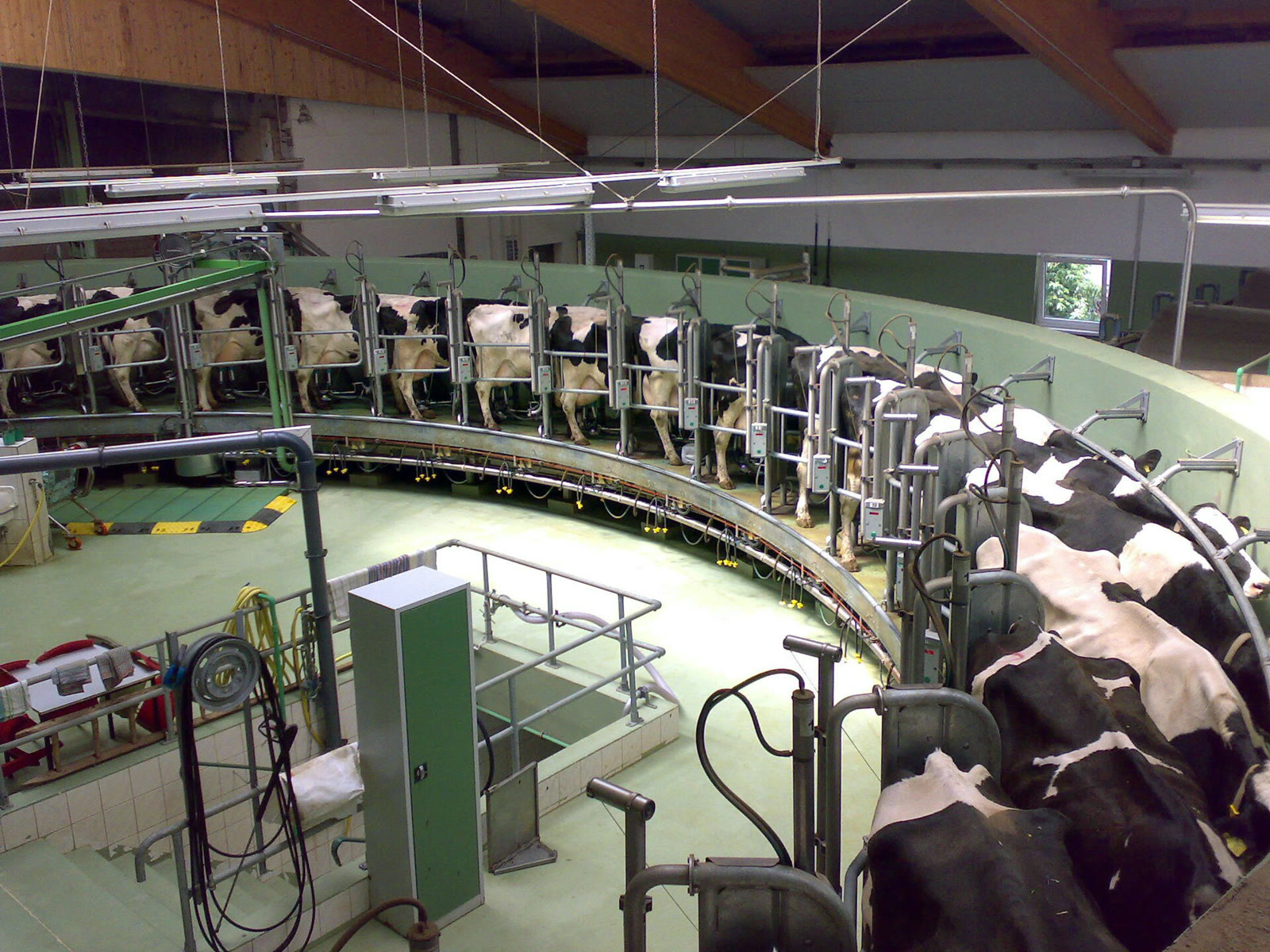
Veterinarians and emergency plans at Class A farms
In Class A farms, in addition to the requirements for Class B, a veterinarian will be employed. Biosecurity procedures will be applied in all sections of the farm.
Disinfection tunnels for vehicles and disinfection booths for visitors will be provided at entry and exit points. Additional measures and an emergency plan to be implemented if a notifiable animal disease is detected in the village or neighborhood where the farm is located will be established in advance.
Farms to be classified within one year
Livestock farms will be inspected by provincial and district directorates when deemed necessary, with regard to their physical infrastructure and biosecurity conditions. Farms found to have changed class as a result of an inspection will be reclassified.
Registered and operational farms in the Ministry’s database will be classified within one year. Registered farms that were established earlier but have suspended or ended their operations will enter the classification process when they resume operations.
Source: Anadolu Ajansı
Spotted an error in this story?Report it on WhatsApp
Share on all social platforms
Sponsored Ads
Featured Listings
Loading featured properties...
Stay Updated with The Turkiye Times
Subscribe to be informed about special news, developments and announcements. We will keep you informed.
By signing up, you agree to our Privacy Policy