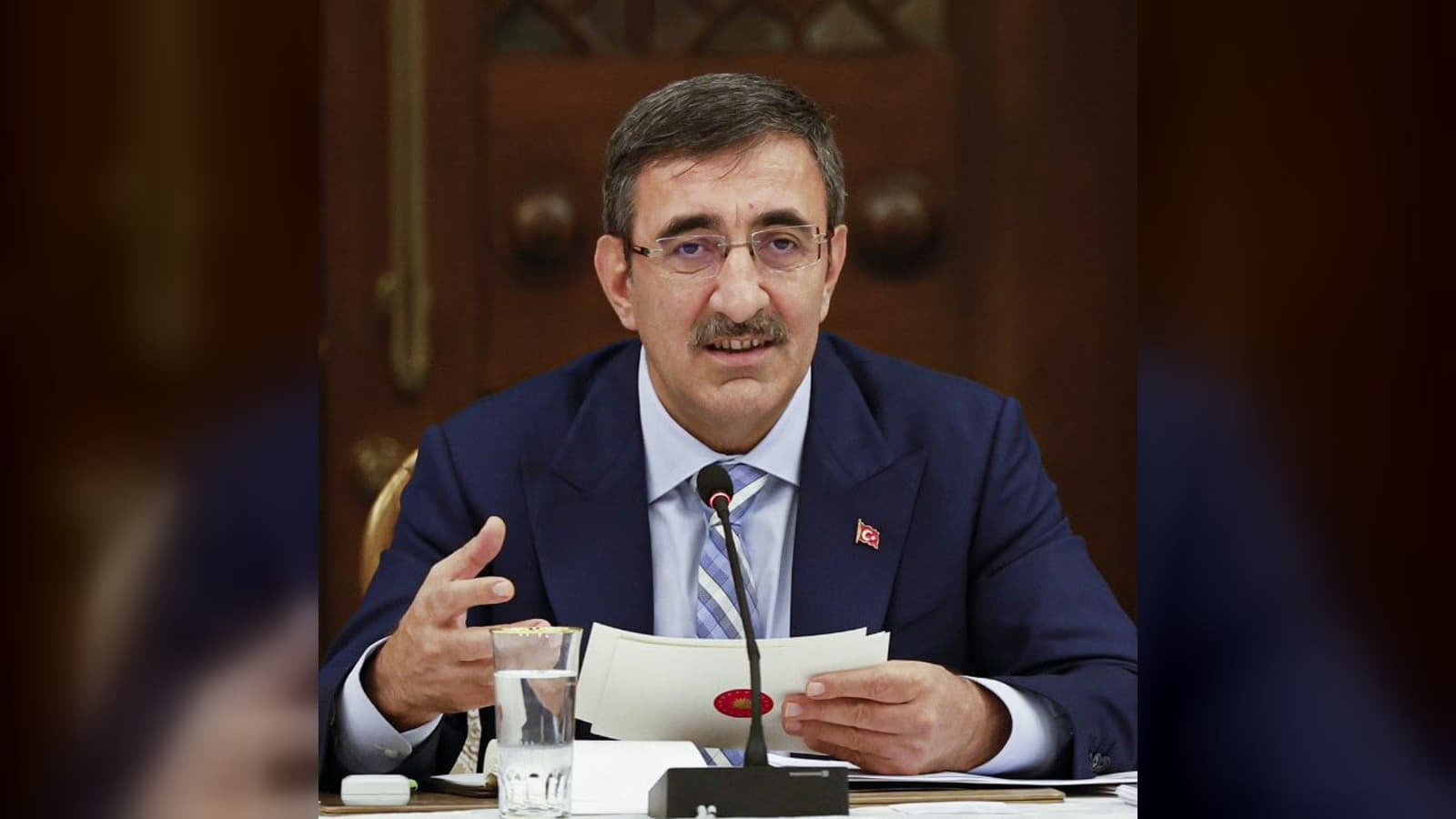
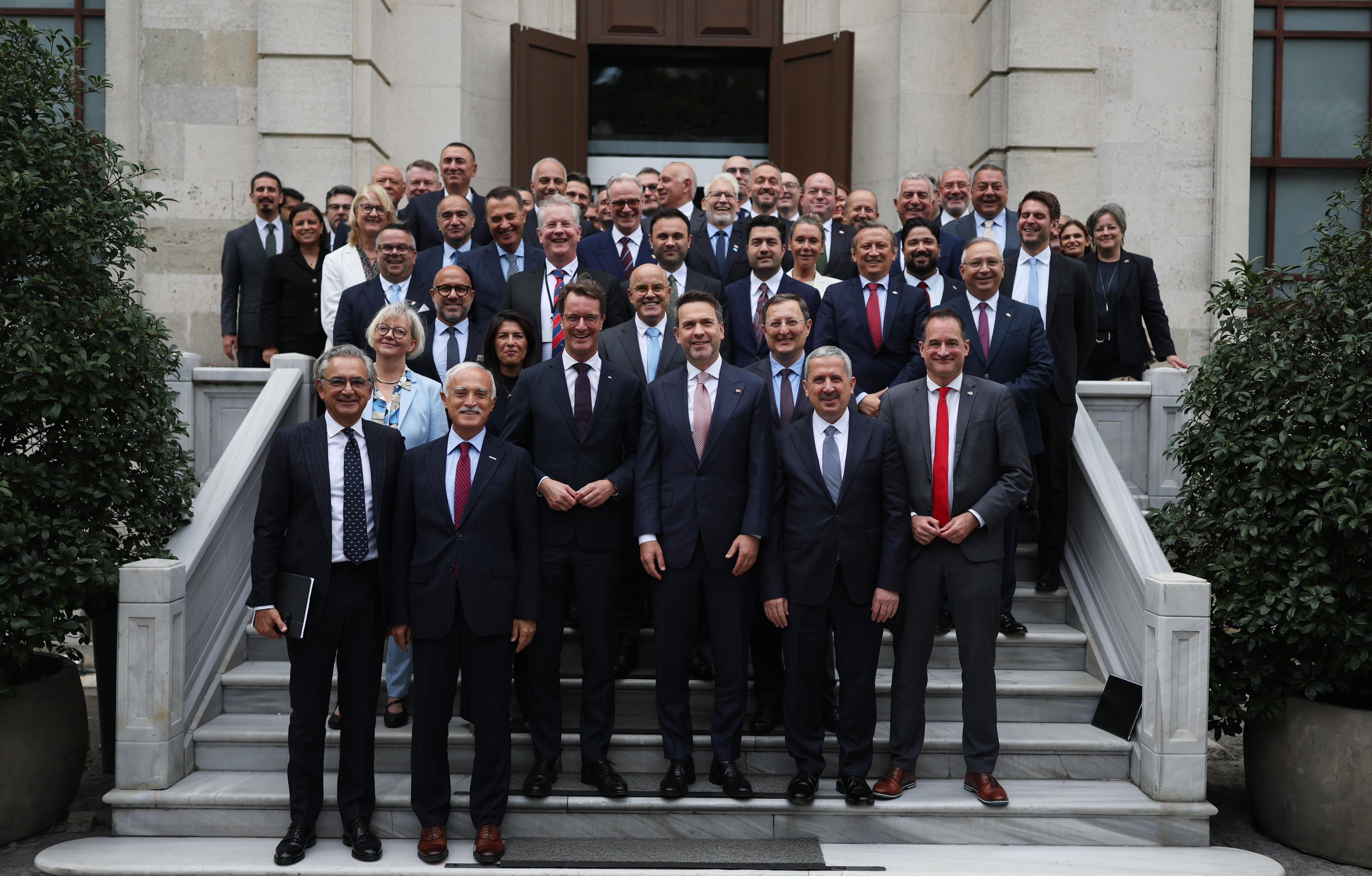
Minister of Energy and Natural Resources Alparslan Bayraktar spoke at the opening of the Türkiye-North Rhine-Westphalia Business Forum, held in Istanbul through cooperation between the Foreign Economic Relations Board (DEİK) and NRW.Global Business. Bayraktar called for broader cooperation with Germany on the energy transition, energy security and next-generation infrastructure projects.
Bayraktar said bilateral trade between Türkiye and Germany had exceeded $50 billion and that the two countries were moving toward a joint target of $60 billion. He said Germany remained Türkiye's leading trading partner in Europe and noted that North Rhine-Westphalia was at the center of this relationship.
Bayraktar announced that trade between Türkiye and North Rhine-Westphalia had exceeded €11 billion and that more than 1,300 Turkish companies were operating in the region. Emphasizing that energy security and resource diversification were indispensable for industrial competitiveness, Bayraktar said ensuring that energy reaches industrial enterprises and consumers safely, sustainably and at affordable prices was a priority for governments.
Türkiye's energy policy
Bayraktar said Türkiye had built its national energy policy on three foundations: securing energy supply, reducing dependence on energy imports and achieving net-zero emissions by 2053. He said the ultimate vision was full independence in energy.
Bayraktar said Türkiye ranked third in Europe in electricity consumption, after Germany and France, and that renewables accounted for more than 63% of total installed capacity, which exceeded 125,000 megawatts. He noted that electricity generated from wind and solar power in 2025 alone had reached a level capable of meeting approximately 75% of Türkiye's total industrial consumption.
Financing highlighted for next-generation projects
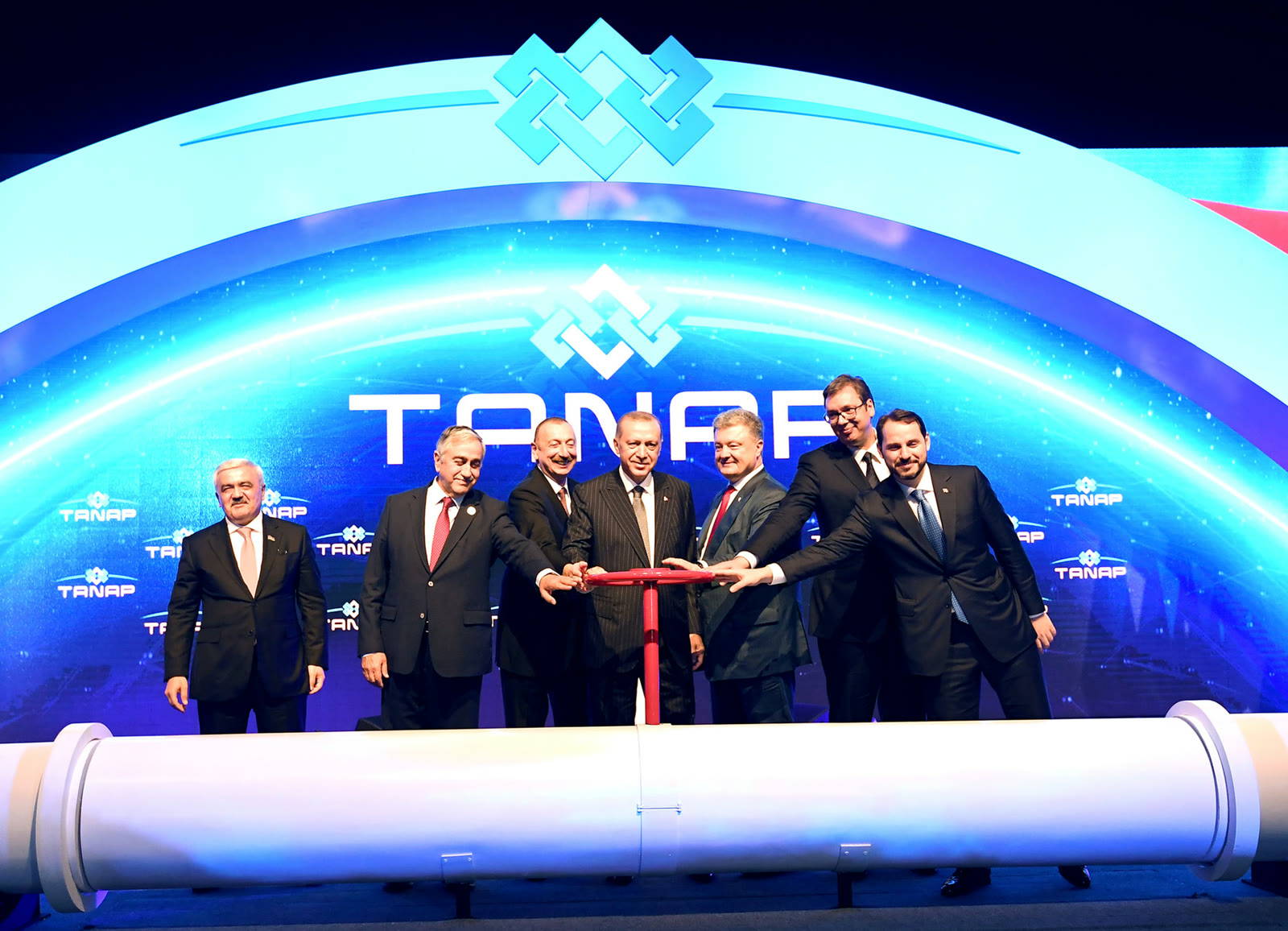
Bayraktar said infrastructure projects such as the Trans-Anatolian Natural Gas Pipeline and the Baku-Tbilisi-Ceyhan Crude Oil Pipeline contributed to the energy supply of Türkiye and the region. He said these corridors also strengthened Europe's supply security and stated that joint projects could be developed with German partners in natural gas, green hydrogen, modern electricity grids and critical minerals.
Bayraktar said financing was one of the most important challenges facing the energy transition and that global clean-energy investments needed to exceed $4.5 trillion annually at the beginning of the 2030s to achieve net-zero targets. He said Germany's financial strength, capital support and the joint assumption of risks in partnerships could help close this gap, adding that Türkiye's project implementation capacity could be combined with Germany's financial resources.
Bayraktar also said Türkiye would host the 31st Conference of the Parties to the United Nations Framework Convention on Climate Change this year, where it would announce its renewable-energy, grid-investment and climate targets. He said the commercial agreements signed in energy, logistics and innovation demonstrated the will to invest and cooperate.
Economic ties with North Rhine-Westphalia
North Rhine-Westphalia Minister-President Hendrik Wüst said the region was Germany's economic powerhouse and that its strong industrial infrastructure formed the basis of this position. Wüst said energy prices and energy security were vital for the region and that the German-Turkish energy partnership had become more important than ever.
Wüst said Türkiye was one of Europe's largest wind-energy markets and that the country was investing in its electricity generation and transmission infrastructure. He said Türkiye's ports and airports had become strategic assets and noted that the memoranda signed at the forum highlighted opportunities for investors and technology companies.
DEİK President Nail Olpak said North Rhine-Westphalia was one of Europe's industrial centers, with an economy exceeding €900 billion, more than 700,000 small and medium-sized enterprises, and large-scale companies. Olpak said Türkiye was integrated into European and global value chains through its manufacturing infrastructure and private sector, listing European Union membership, modernization of the Customs Union, the “Made in Europe” approach and visa issues among the priorities.
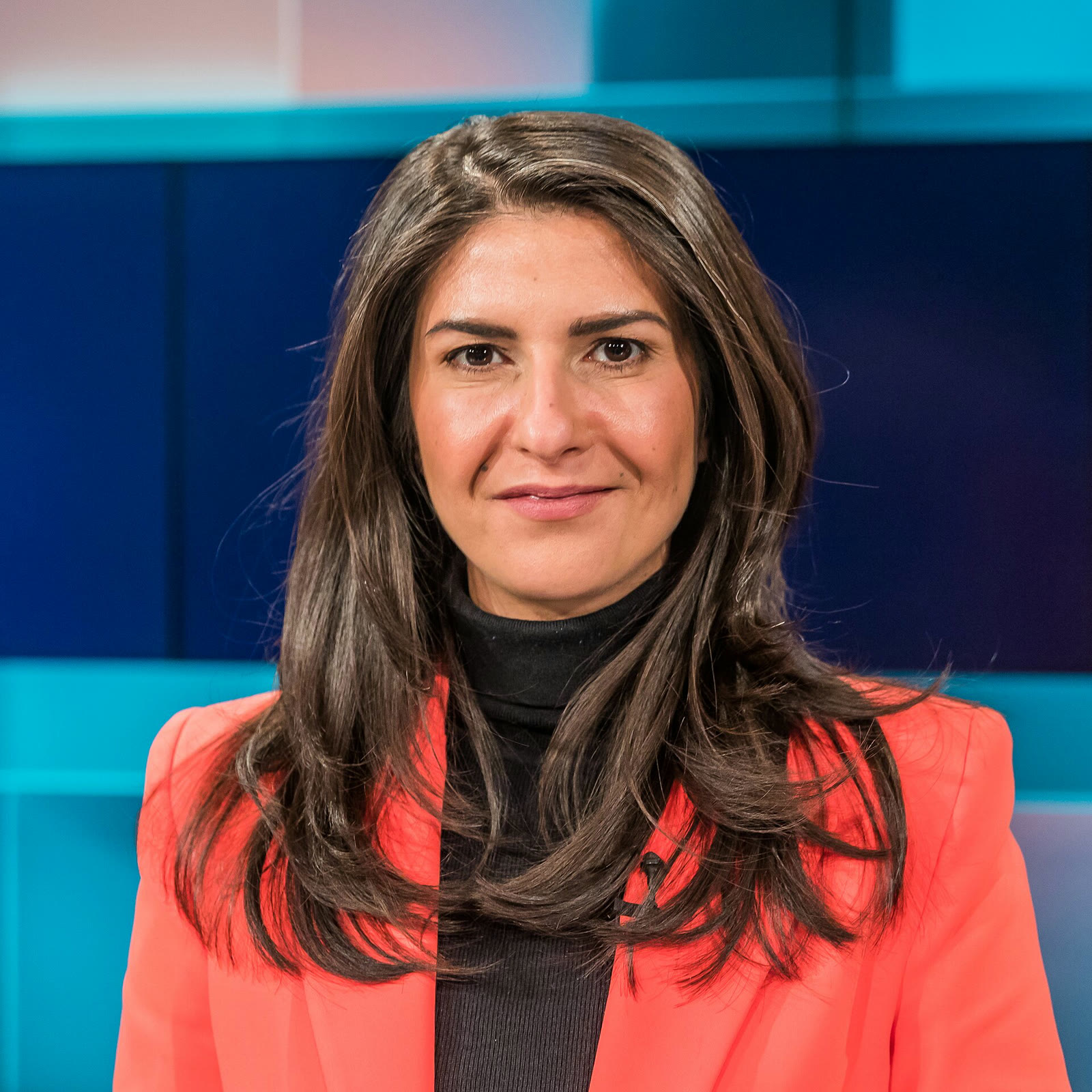
Serap Güler, Minister of State at the German Federal Foreign Office, said trade between North Rhine-Westphalia and Türkiye had reached €11 billion in 2025, representing approximately one-fifth of total German-Turkish trade. Güler said total trade between the two countries had reached a record level of approximately €55 billion in recent years and that around 8,600 German companies operating in Türkiye provided more than 100,000 direct jobs.
Güler said geopolitical developments had increased costs and that conflicts and dependencies posed risks to supply chains. She said the Customs Union between Türkiye and the European Union formed the basis of a common market of approximately 540 million people and stated that this framework needed to be modernized in the near future.
Felix Neugart, CEO of NRW.Global Business, said more than 1 million Turks lived in North Rhine-Westphalia. Neugart said relations between the two sides were deepening through industrial value chains, joint production, innovation and employment, adding that there was potential in the energy transition, supply chains, logistics and joint technology projects.
Eight memoranda of understanding signed
Following the opening speeches, eight memoranda of understanding were signed in the fields of energy, logistics, aviation, industry, tourism and the circular economy. The agreements were concluded between DEİK and NRW.Global Business; Duisport-Arkas and Mars Logistics; Köln Bonn Flughafen and SAW and HEAŞ; Messe Düsseldorf and TÜDÖKSAD; Schmitz Cargobull and Orsan; REWE Group and Paloma Hotels; Circular Valley Foundation and Fark Labs; and Uniper and Biotrend.
The memoranda aim to strengthen rail and intermodal transport links between Türkiye and Germany, increase operational efficiency and passenger service quality in aviation, and develop joint production and supply chains in industry. The agreements also focus on biomethane production and export opportunities to Europe, tourism capacity and marketing activities targeting Türkiye, technology transfer in the circular economy, and joint pilot projects.