A competition joined by Seyfeddin Cevdet Uludoğan, a graduate of Karabük University’s Department of Computer Engineering who pursued a master’s degree in helicopters at Istanbul Technical University, has evolved into a startup producing unmanned helicopters.
Interested in helicopters and aviation since childhood, Uludoğan joined the Helicopter Design Competition held as part of TEKNOFEST in 2019. After competing in the quarterfinals, semifinals and final, the team brought the experience it gained during the process into its efforts to establish a company.
Product development process
In 2023, the team launched the Nano-Class Unmanned Helicopter Project with support from TÜBİTAK 1501. Following an R&D process lasting approximately 1.5 to 2 years, the product, named NanoAlp, was commercialized.
Uludoğan said NanoAlp is a high-tech, high-value-added product that had not previously been manufactured in Türkiye and has only a limited number of producers worldwide. He said the product was developed to address a strategic need in this field.
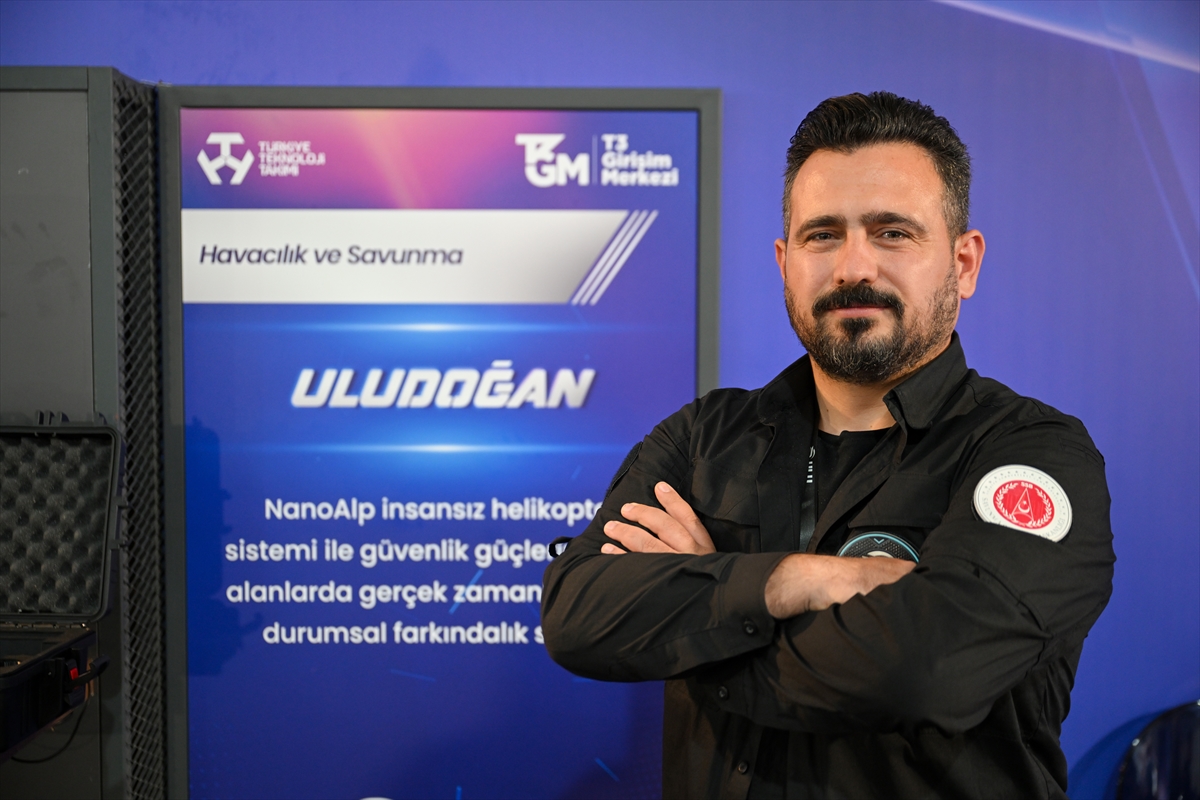
Introducing the product to young people at the T3 Enterprise Center tent during TEKNOFEST at Şanlıurfa GAP Airport, Uludoğan said they also wanted their own entrepreneurship story to serve as an example for students.
NanoAlp’s technical specifications
The nano-class unmanned helicopter weighs less than 250 grams and can remain airborne for approximately half an hour. The low-noise system can use different sensors together.
Uludoğan said the device can also fly in environments where GPS signals are unavailable. He said the helicopter can continue its mission in areas where signals may be blocked, such as caves, measure gases with its sensors and transmit live images.
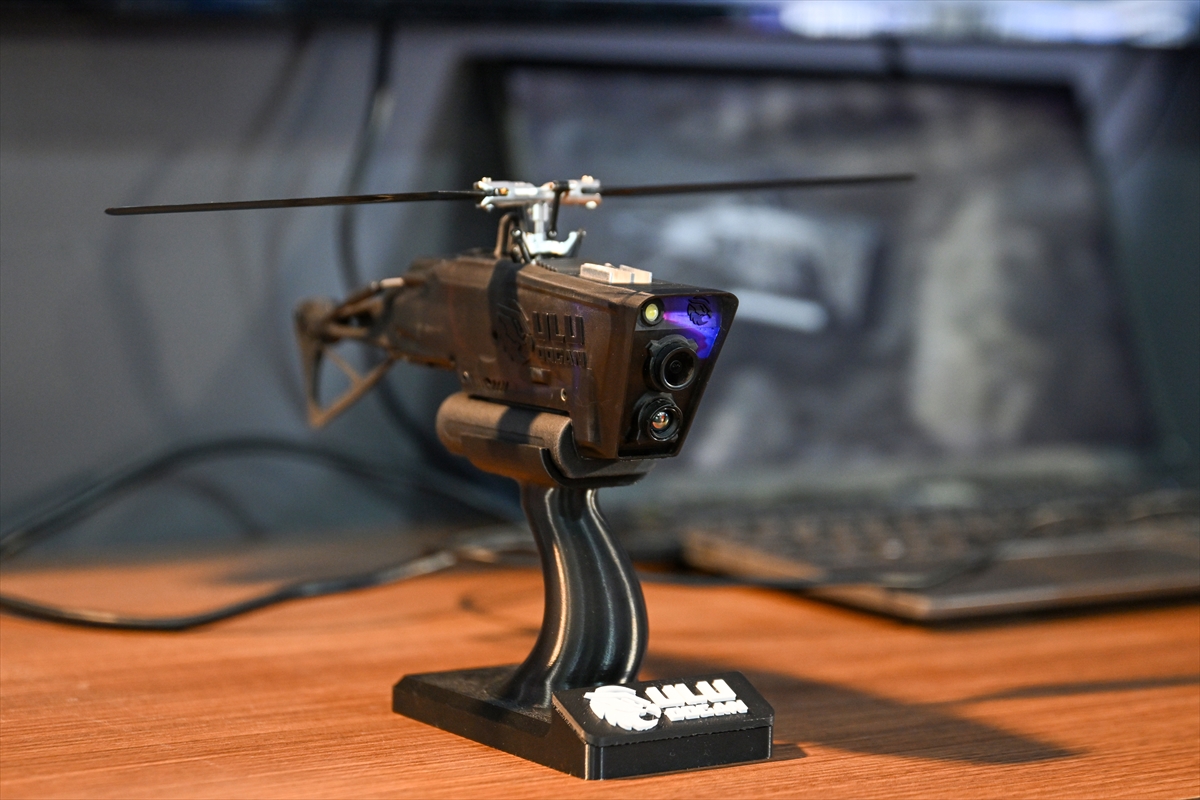
The system can be used for military operations as well as search-and-rescue efforts and reconnaissance in hazardous areas. It can help conduct preliminary inspections before personnel are sent into buildings at risk of collapse and check areas with gas leaks in mines.
Exports to five countries
Its helicopter mechanics allow NanoAlp to remain airborne longer than conventional drones. Uludoğan said drones of a similar size can fly for an average of 15 minutes, while his product can stay in the air for more than half an hour.
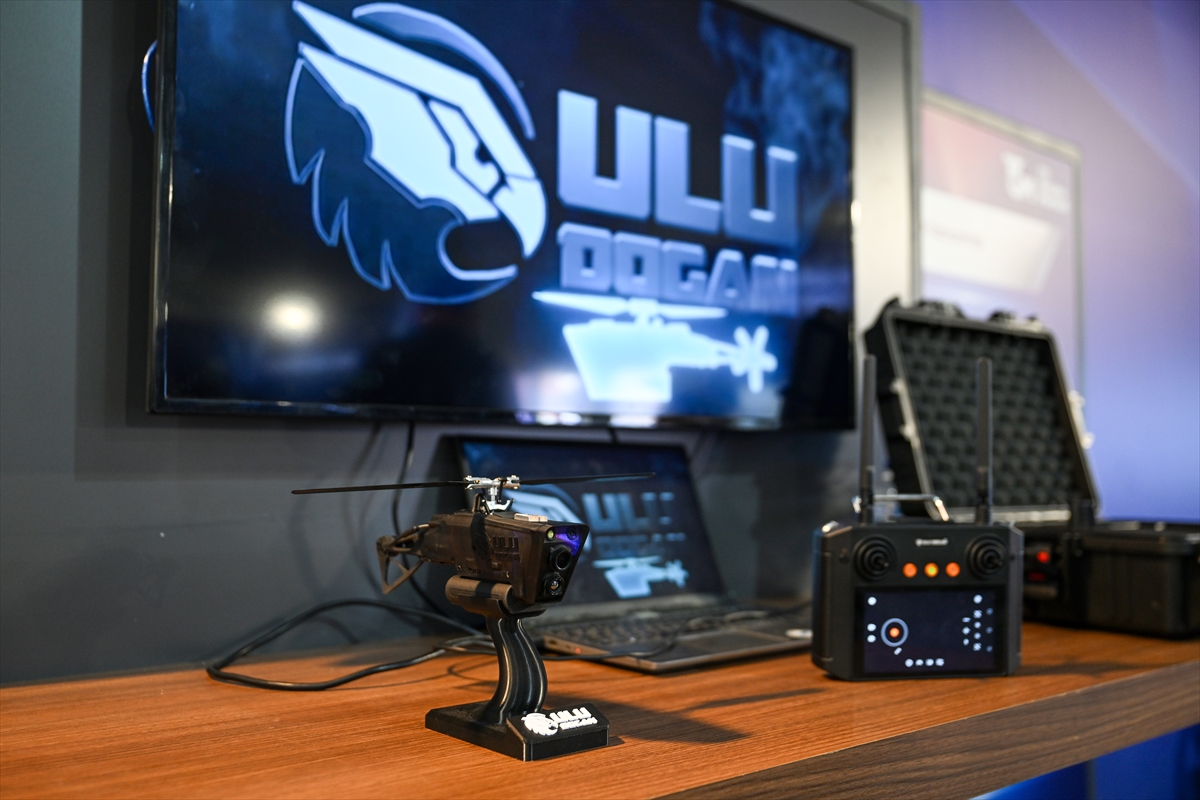
Sales of the product have begun in domestic and international markets. NanoAlp has been exported to the United Arab Emirates, Saudi Arabia, Malaysia, Indonesia and Kazakhstan, while commercial talks with other countries are continuing and new agreements are targeted by the end of the year.
Uludoğan said the product offers a lower cost than its foreign counterparts and that customers are attracted by its similar technical specifications.
TEKNOFEST’s impact on entrepreneurship
Uludoğan said the TEKNOFEST ecosystem helped the team build a network and provided support, adding that it was important to take part in different stages, from student projects to entrepreneurship and commercialization.
Uludoğan said TEKNOFEST gives young people the mindset that “we can do it too” in technology and encourages students to pursue projects that have not been developed before.
Uludoğan said the team established a company over the four years from 2019 to 2023 and commercialized its product during the period from 2023 to 2026. He urged students and entrepreneurs not to give up on their goals and to continue their work.