- BIST10010,962+1.88%
- USD49.86+0.15%
- EUR55.82+0.52%
- GOLD3,979.40+2.06%
- INTEREST36.00%-1.00
- BITCOIN77,436-1.02%
- November 2, 202619°
- BIST10010,962+1.88%
- USD49.86+0.15%
- EUR55.82+0.52%
- GOLD3,979.40+2.06%
- INTEREST36.00%-1.00
- BITCOIN77,436-1.02%
- November 2, 202619°
Japan urges households to stock water and food for up to one week
Japan’s Disaster Management Agency, which began operations today, asked citizens to stock enough water and food for at least three days, and preferably one week. A Newsweek review says 33 countries are issuing similar preparedness advice to households.

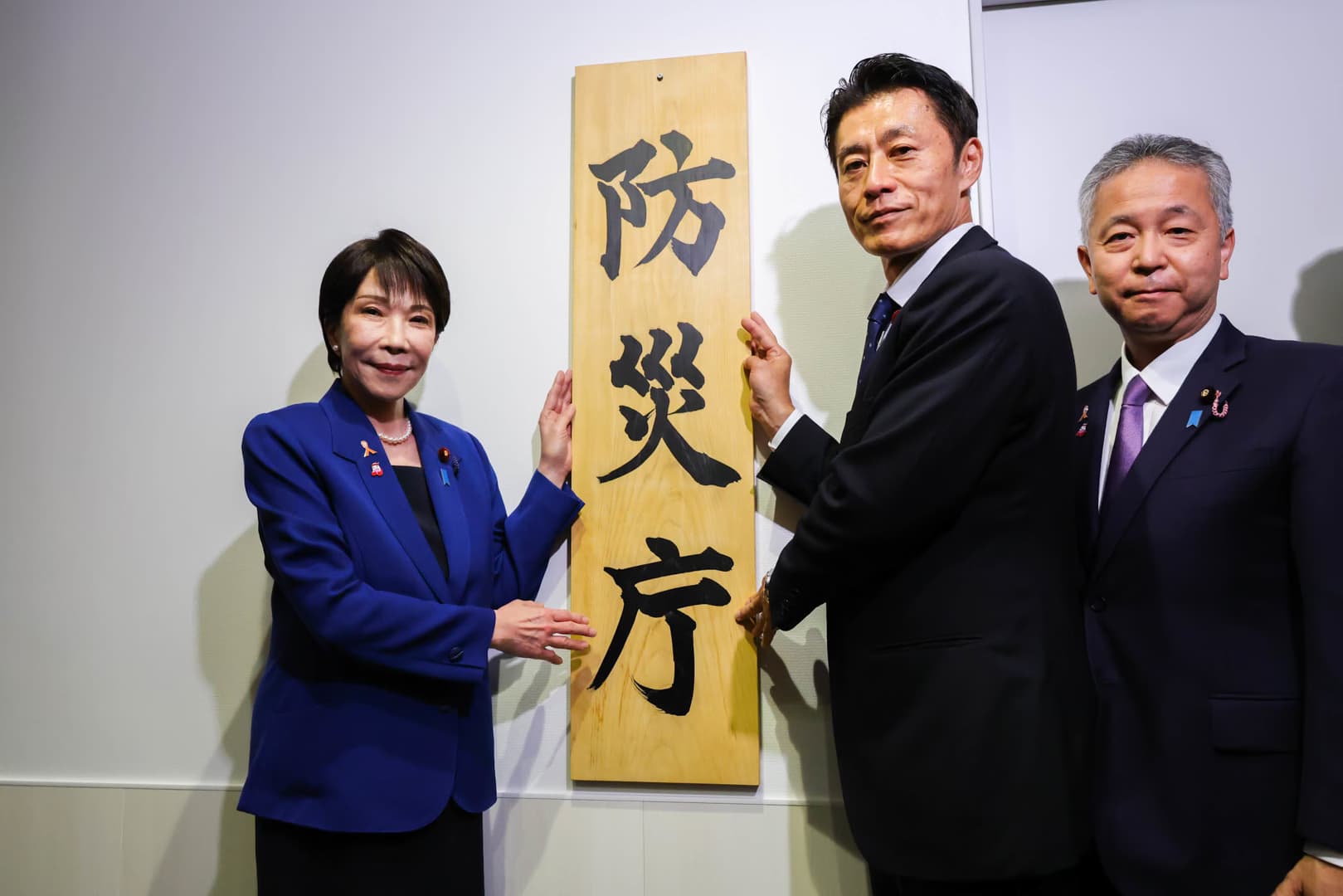
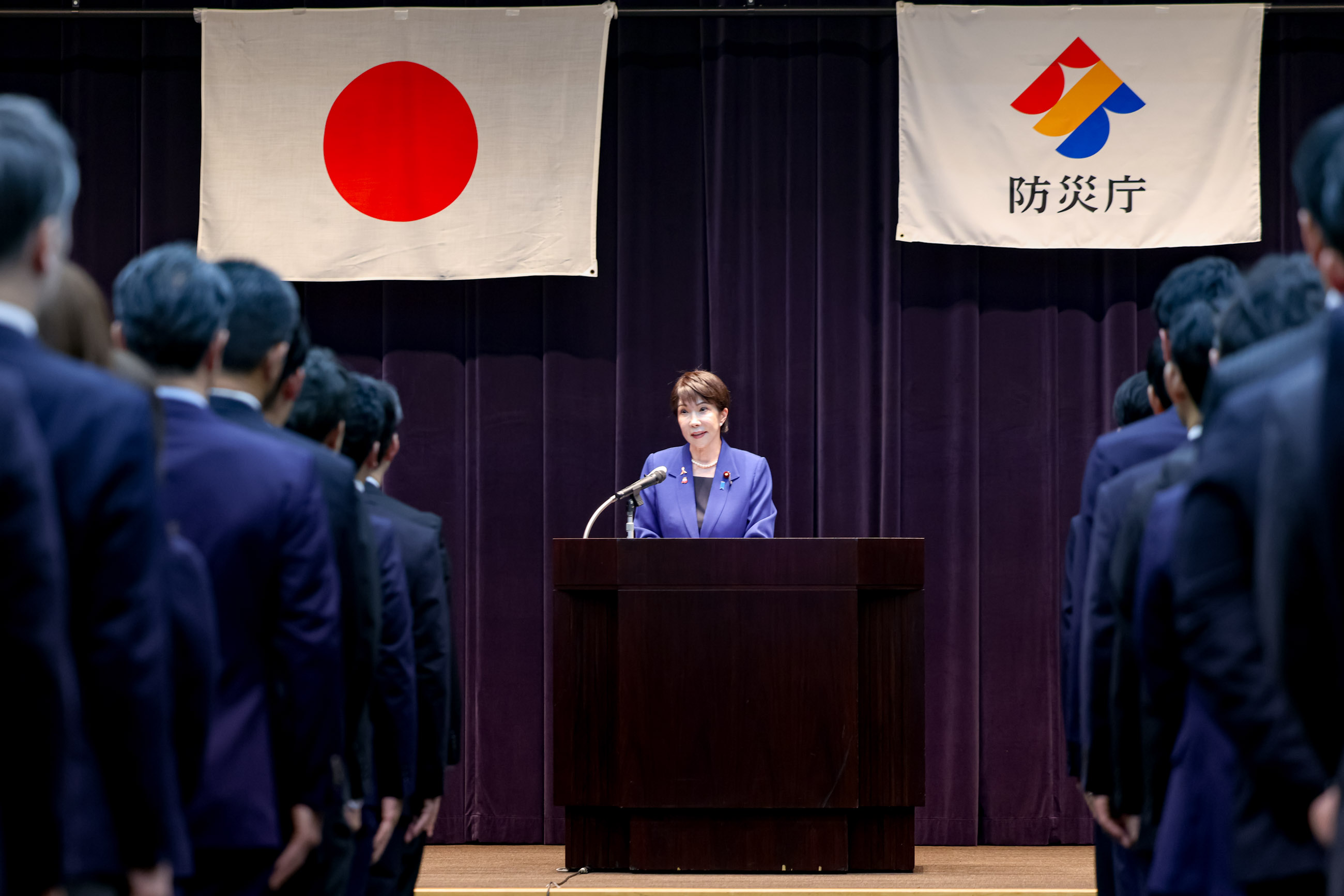
Japan’s Disaster Management Agency, which began operations today, issued its first appeal to citizens, local governments and ministries: “An urgent call to ensure disaster preparedness in advance.”
The appeal, announced under the signature of Disaster Management Minister Goshi Hosono, urged households to stock enough water and food for at least three days, and preferably one week. It recommended setting aside 3 liters of drinking water per person per day, including water used for cooking, as well as keeping essential supplies such as portable toilets, tissues and toilet paper ready.
The appeal stated that government intervention alone would be insufficient in the event of major disasters and stressed that every citizen must “protect their own life.”
The appeal lists five measures
- Have earthquake-resistance tests conducted on homes built before 1981, and secure furniture and household appliances
- Stock enough water and food for at least three days, and preferably one week
- Learn the locations of disaster risk maps, evacuation centers and evacuation routes
- Prepare an emergency bag and place it somewhere easily accessible, such as near the entrance
- Take part in disaster drills in the neighborhood
The ministry recommends buying slightly more of the products used in daily shopping rather than purchasing all supplies at once, and replacing items as they are consumed.
Takaichi: A disaster could happen right now
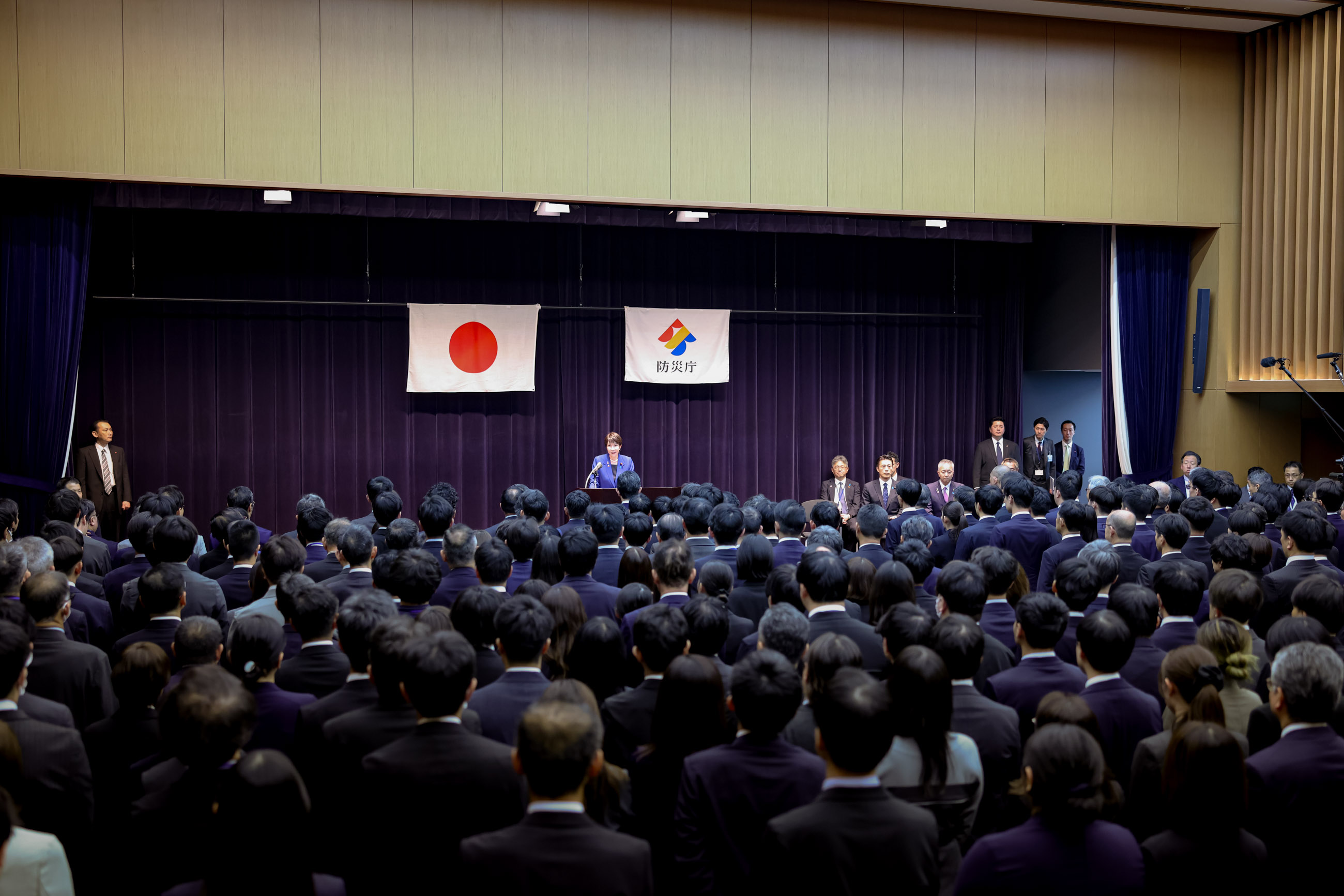
Prime Minister Sanae Takaichi, who unveiled the agency’s sign, said in a speech at the opening ceremony: “We cannot prevent natural disasters themselves, but we can reduce the damage through measures taken in advance.” Takaichi declared the goal of making Japan the world’s best-prepared country for disasters, saying, “A disaster could happen right now, at this very moment.”
The government is accelerating preparations for disasters on a national scale, including earthquakes in the Kuril–Japan Trench, a possible earthquake beneath Tokyo, a Nankai Trough earthquake and a possible eruption of Mount Fuji. According to the Japanese government’s estimate, the probability of a major earthquake occurring in the Nankai Trough within 30 years is calculated at between 60% and 90%.
Questions over whether “war is coming”
Calling the appeal “urgent” led to online comments in Japan suggesting that a war or major cyberattack was approaching. At a press conference on October 30, Hosono said the appeal was not based on any information about a war or an imminent disaster and that its purpose was to raise awareness of everyday preparedness.
33 countries advise households to prepare
Japan is not alone in issuing this advice. A review by the U.S.-based magazine Newsweek says 33 countries across six continents advise citizens to keep emergency supplies at home. These are ongoing preparedness guidelines in those countries, not a common emergency alert.
The list includes the United Kingdom, Ireland, France, Germany, the Netherlands, Denmark, Norway, Sweden, Finland, Estonia, Latvia, Lithuania, Poland, Czechia, Austria, Switzerland and Croatia in Europe; the United States, Canada, Mexico, Chile, Colombia, Argentina and Brazil in the Americas; Japan, Taiwan, Israel, India, the Philippines and Singapore in Asia; as well as South Africa, Australia and New Zealand.
The recommended periods vary from country to country. The United Kingdom and France recommend 72 hours, Sweden and Norway about one week, while Germany recommends supplies lasting up to 10 days. On October 22, the British government launched its “Be Ready” campaign, urging households to prepare for three days of power, water, telephone and internet outages.
AFAD recommends a 72-hour disaster kit for every home
In Türkiye, which is not included on the list, AFAD recommends preparing a “disaster and emergency bag” for every home to be used during the first 72 hours after a disaster, before aid teams can arrive.
Stay Updated with The Turkiye Times
Subscribe to be informed about special news, developments and announcements. We will keep you informed.
By signing up, you agree to our Privacy Policy