- BIST10011,509+4.41%
- USD50.03+0.05%
- EUR56.26+0.56%
- GOLD4,135.20+1.53%
- INTEREST36.00%-1.00
- BITCOIN80,404-0.03%
- November 5, 202612°
- BIST10011,509+4.41%
- USD50.03+0.05%
- EUR56.26+0.56%
- GOLD4,135.20+1.53%
- INTEREST36.00%-1.00
- BITCOIN80,404-0.03%
- November 5, 202612°
Paraguay takes over Ueno Bank as 3 million customers lose access to funds
The Central Bank of Paraguay has launched a resolution process for the country’s largest digital bank, Ueno Bank, after its capital adequacy ratio fell below half the legal threshold. The accounts of about 3 million customers were frozen, 8 executives were detained, the central bank governor resigned and protests took place in the capital, Asunción.

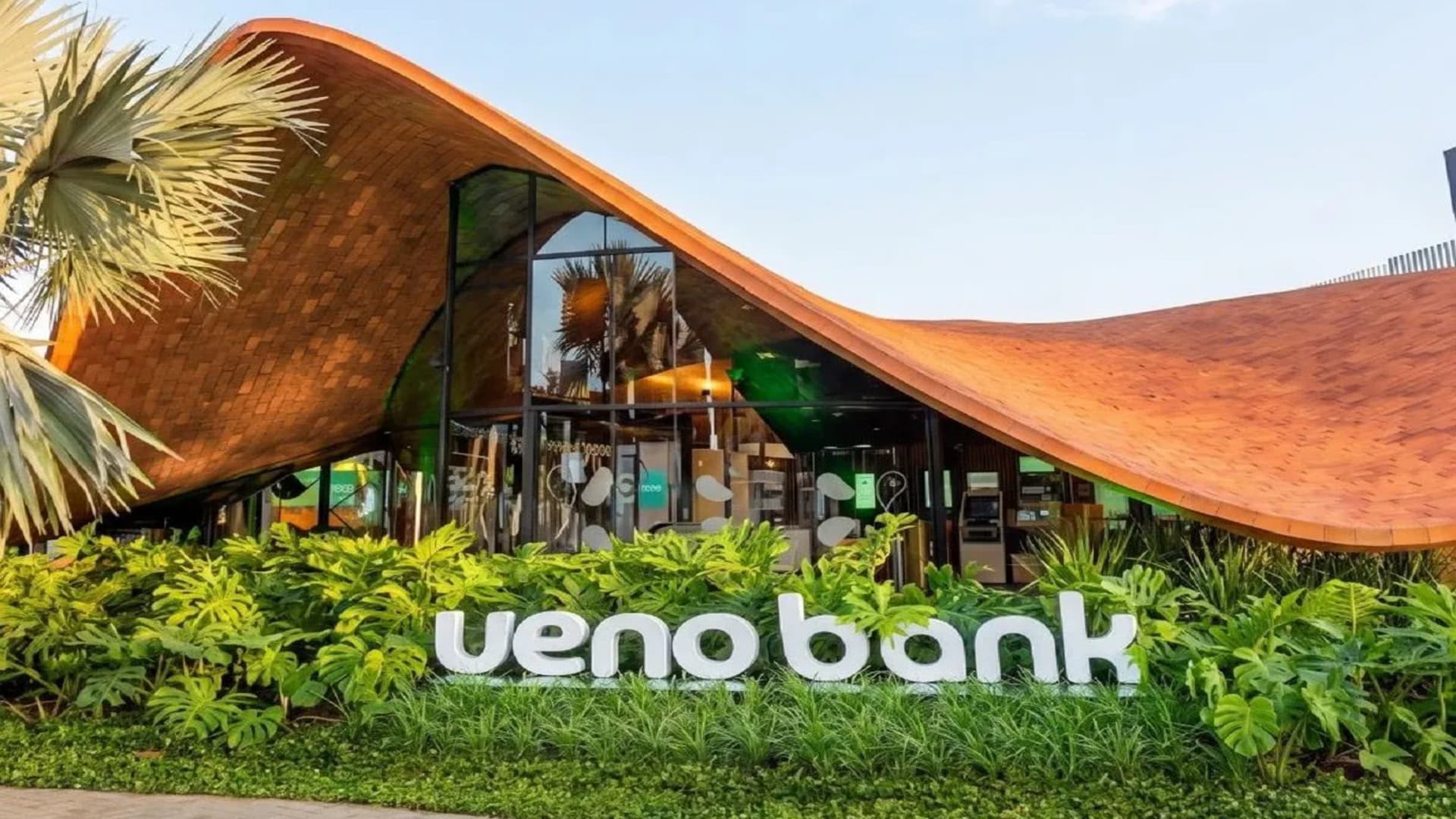
Paraguay’s largest digital bank, Ueno Bank, has come under the control of the Central Bank of Paraguay (BCP) following a severe financial crisis. On November 2, the bank’s management unanimously decided to launch a banking resolution process. As a result, the accounts and bank cards of about 3 million customers, along with the mobile application, were blocked; customers will be unable to access their savings for at least 15 days.
According to Argentina’s La Nación newspaper, the bank’s capital adequacy ratio fell to 5.56%, below half the legal threshold of 12%. Inspections found that credit risks had been inadequately assessed and that loans had been extended to companies linked to Grupo Vázquez, the bank’s owner.
Anger in the streets
Customers unable to access their accounts gathered on the evening of November 3 in front of the Pantheon of Heroes and around the presidential residence in the capital, Asunción. Latin Times reported that hundreds of people protested in the city center, while one group decided to keep vigil outside Congress. Deposit insurance is limited to 228.3 million guaraníes per person, or about $38,000; the Central Bank said this covers approximately 97% of depositors.
Detentions and resignation
Prosecutors detained 8 executives, including founder Federico Vázquez Villasanti and bank president Juan Manuel Gustale, on suspicion of breach of trust. A court imposed precautionary measures on the executives’ and companies’ assets worth $70 million and 1.62 trillion guaraníes. Central Bank Governor Carlos Carvallo resigned at the request of President Santiago Peña; Liana Caballero temporarily assumed the post.
The crisis also spilled into politics. Peña, who was among the partners of Ueno Holding until 2025, argued that the problem was specific to Ueno rather than a general crisis, while the opposition moved to initiate impeachment proceedings against Peña and Vice President Pedro Alliana. The bank holds $800 million to $850 million in public funds, of which about $380 million belongs to the social security institution IPS.
Video: social media. Photo: provided by the user
Have a story, event or announcement of your own?Send us your news on WhatsApp
Spotted an error in this story?Report it on WhatsApp
Share on all social platforms
Sponsored Ads
Featured Listings
Loading featured properties...
Stay Updated with The Turkiye Times
Subscribe to be informed about special news, developments and announcements. We will keep you informed.
By signing up, you agree to our Privacy Policy