- BIST10010,760-3.63%
- USD49.86+0.15%
- EUR55.82+0.52%
- GOLD3,898.90-3.29%
- INTEREST36.00%-1.00
- BITCOIN77,349+0.19%
- October 31, 202616°
- BIST10010,760-3.63%
- USD49.86+0.15%
- EUR55.82+0.52%
- GOLD3,898.90-3.29%
- INTEREST36.00%-1.00
- BITCOIN77,349+0.19%
- October 31, 202616°
Pink stone found in Sahara identified as 4.1-billion-year-old Mars fragment
A meteorite called Teghaza 001, found in Mali’s Sahara Desert in 2022, has been identified as a 4.1-billion-year-old fragment of Mars’s crust. NASA researchers say the stone comes from a previously unsampled region of Mars.
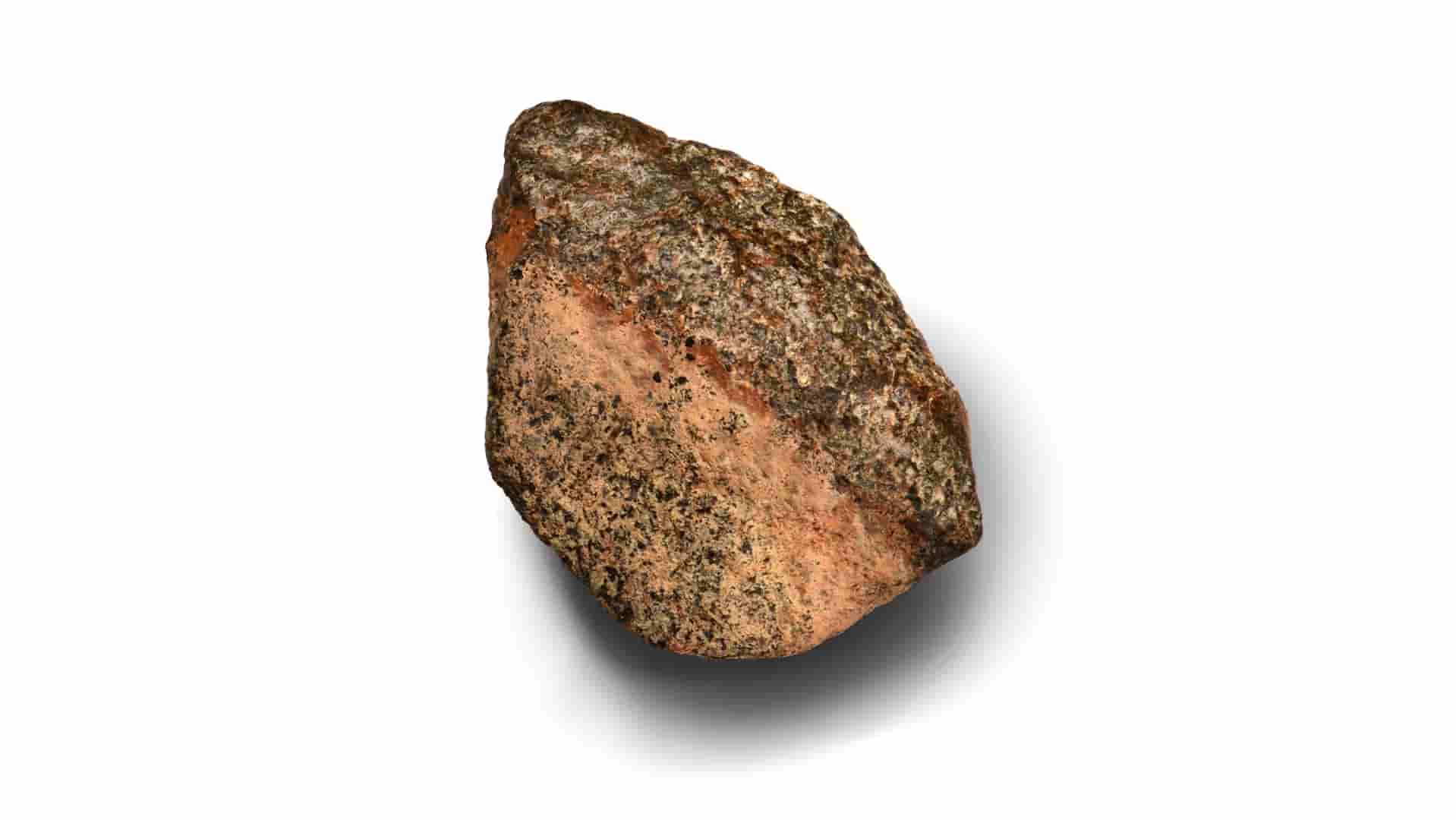
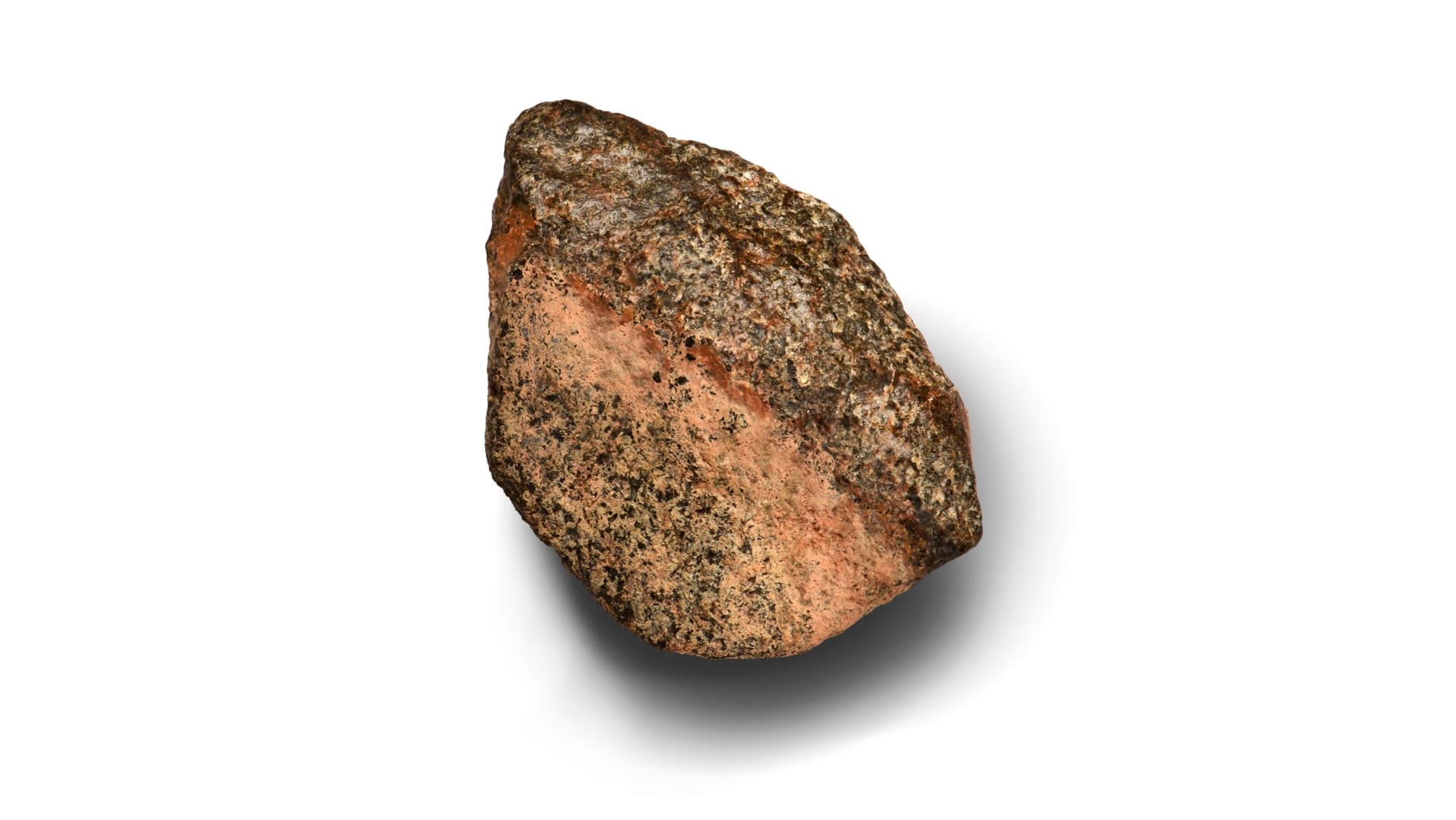
A pink meteorite found in Mali’s Sahara Desert in 2022 has been identified as a roughly 4.1-billion-year-old fragment of Mars’s crust. Named Teghaza 001 after the salt flat where it was found, the meteorite weighs approximately 900 grams.
The study, led by Yang Liu of NASA’s Jet Propulsion Laboratory and involving Lee Saper of NASA’s Ames Research Center, was published in the journal Science. The age was determined using a method developed by Francis Tissot, a professor of geochemistry at Caltech.
One of approximately 435 known Martian meteorites, Teghaza 001 is one of the three oldest Martian meteorites found on Earth. Researchers say it is the first fragment known to have come from a previously unsampled region of the Martian crust.
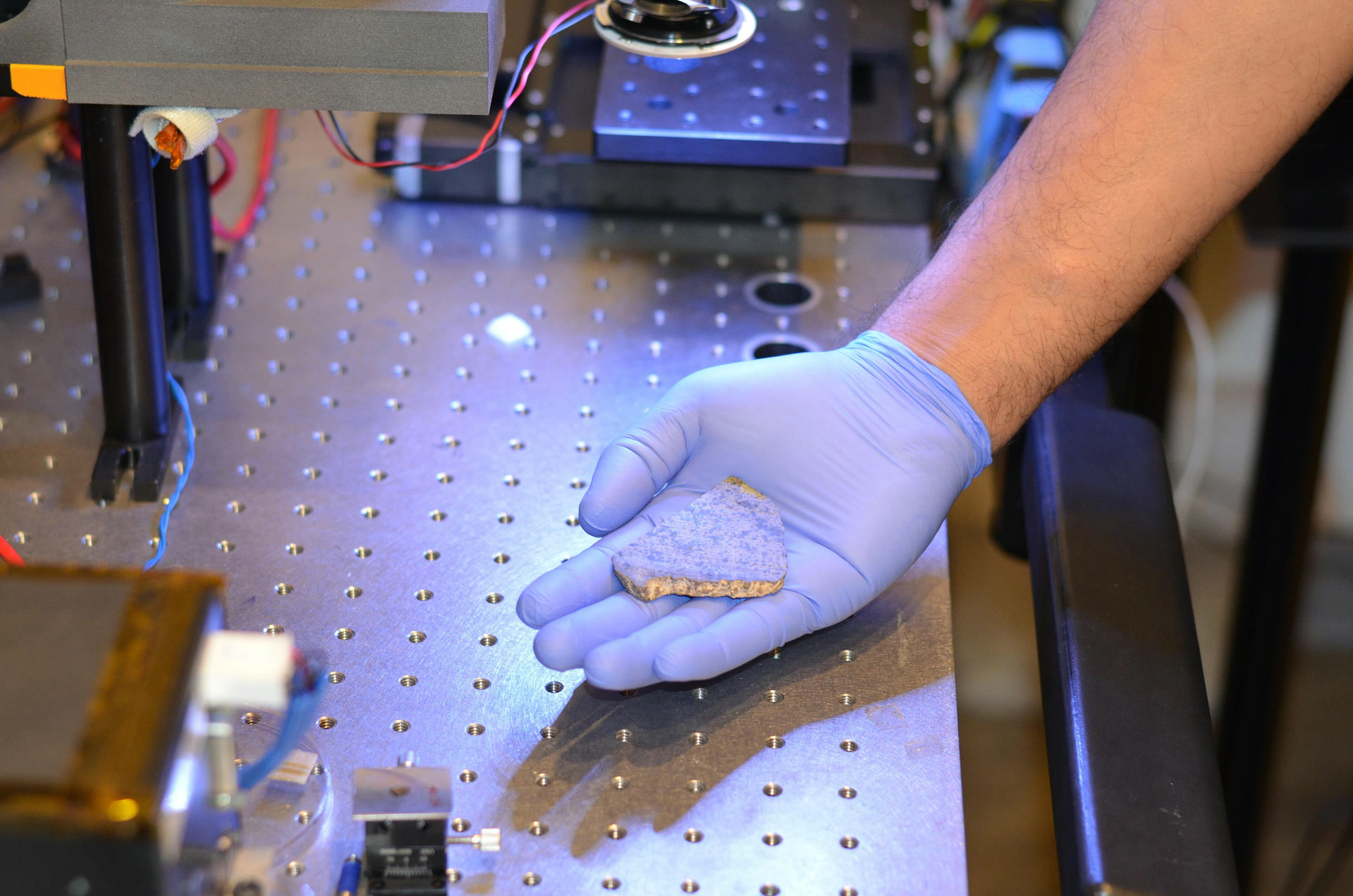
Analyses showed that water on Mars altered the rock approximately 4.1 billion years ago. The finding suggests that early Mars may have had a more active water cycle than scientists had thought. A separate study published in June focused on the rock’s water content.
“We are only just beginning to scratch the surface,” Liu said.
Stay Updated with The Turkiye Times
Subscribe to be informed about special news, developments and announcements. We will keep you informed.
By signing up, you agree to our Privacy Policy