The crisis between Polish Prime Minister Donald Tusk and President Karol Nawrocki over the Constitutional Court is escalating. In a statement, the Presidency said, "Prime Minister Donald Tusk is personally responsible for the attack on the Constitutional Court."
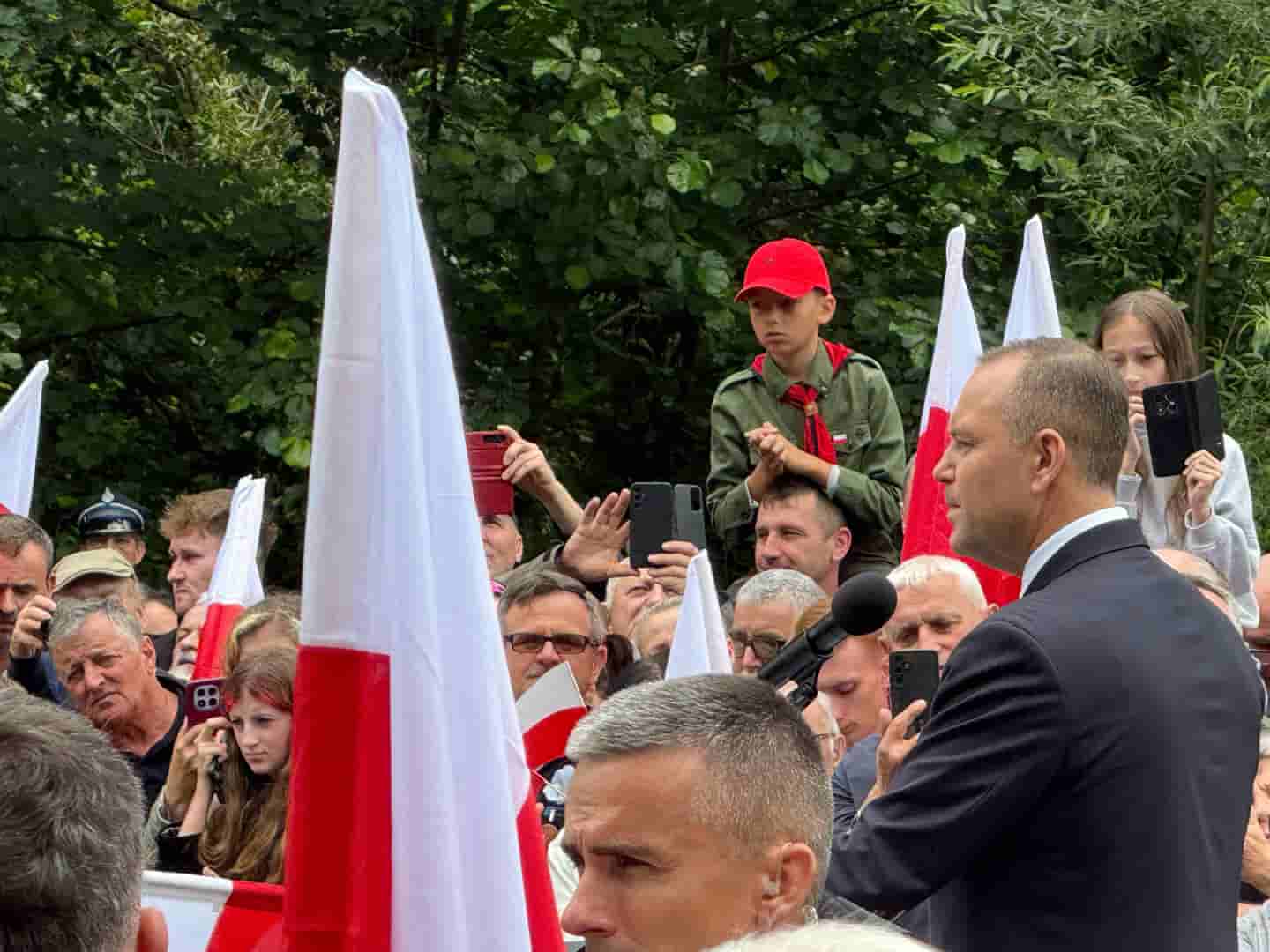
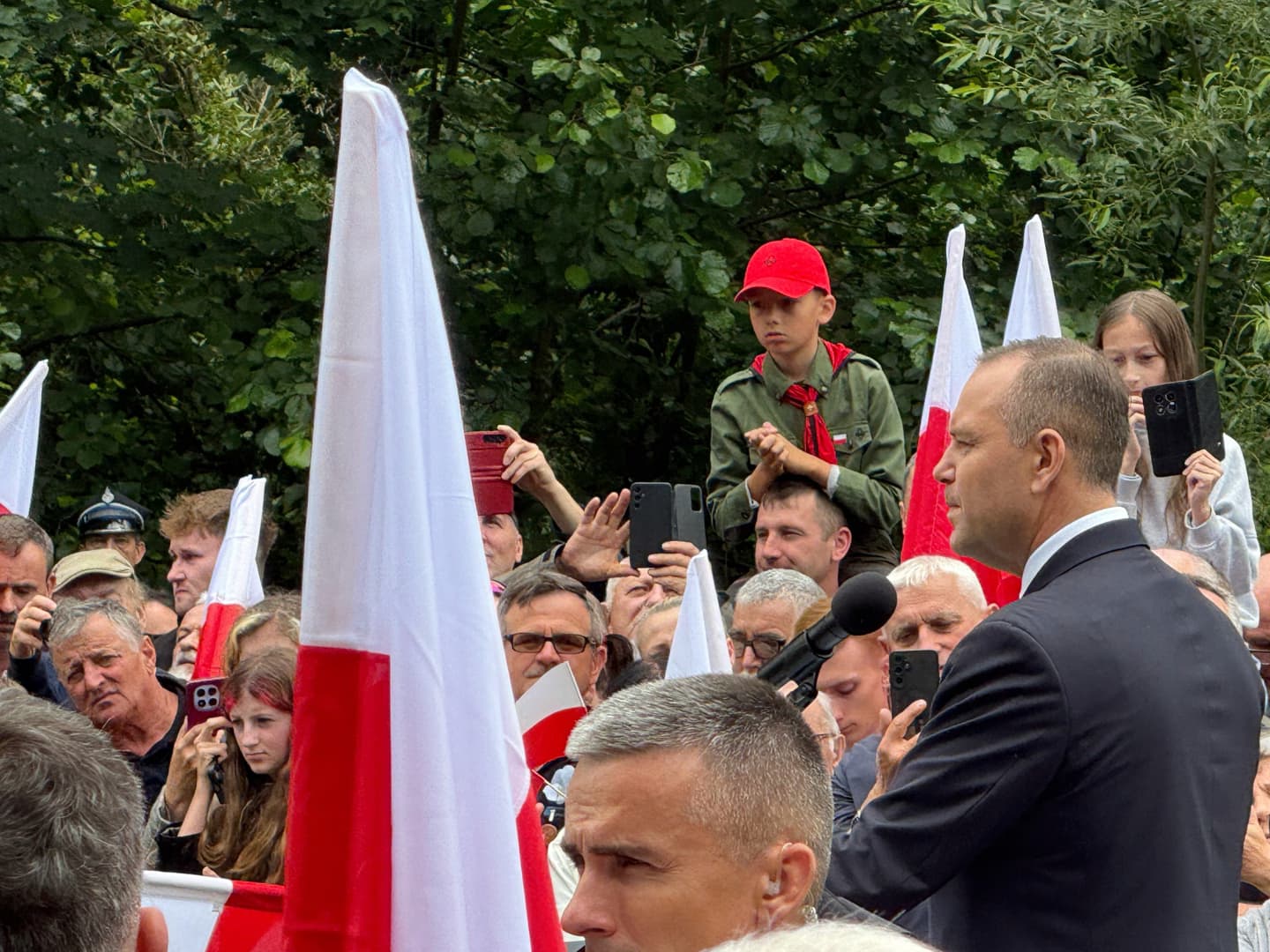
Police continued to surround the court building in the capital Warsaw on November 1. A crowd carrying Polish flags and riot police waited opposite each other outside the building.
How did the crisis begin?
The crisis began on the evening of October 30, when the court's most senior judge, Anna Korwin-Piotrowska, suspended Constitutional Court President Bogdan Swieczkowski and his deputy, Bartlomiej Sochanski, from their duties for one month. As police set up a cordon around the building, prosecutors moved to have the judges' immunity lifted. Nawrocki, who was traveling to Senegal, changed the route of his plane, came to the court and entered the building through the judges standing at the entrance.
Neither side is backing down
While Nawrocki described the events as "the forcible takeover of a constitutional body," Tusk said they would not abandon efforts to restore the court's independence and that compromise would not be possible on some issues. Nawrocki had also invited opposition and coalition parties to an emergency consultation at the Presidential Palace on October 31.
Tusk: "The democratic rule of law will not bow to violence"
Prime Minister Donald Tusk responded on social media on November 2 to the Presidency, which had declared him personally responsible for the crisis. In his post, Tusk said, "President Karol Nawrocki has chosen a coercive confrontation. A democratic rule of law cannot and will not bow to violence."