- BIST10011,060-0.51%
- USD49.65+0.05%
- EUR55.60-0.19%
- GOLD4,009.40+0.04%
- INTEREST36.00%-1.00
- BITCOIN79,850-0.24%
- October 26, 202619°
- BIST10011,060-0.51%
- USD49.65+0.05%
- EUR55.60-0.19%
- GOLD4,009.40+0.04%
- INTEREST36.00%-1.00
- BITCOIN79,850-0.24%
- October 26, 202619°
Prof. Dr. Osman Müftüoğlu: Do not buy spotted bananas with black stems
Prof. Dr. Osman Müftüoğlu warned consumers, claiming that bananas with black stems and spots may have been ripened with calcium carbide.
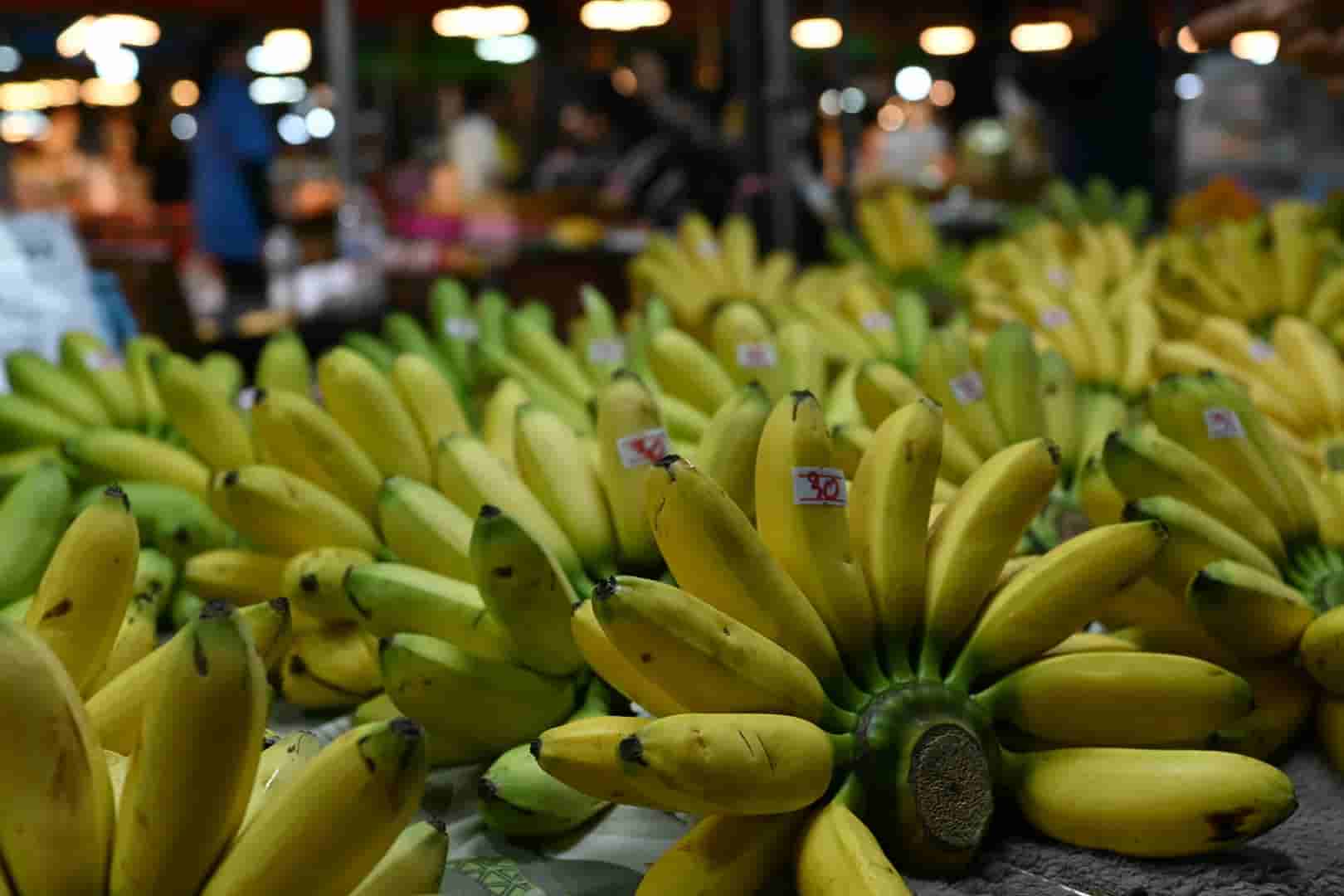
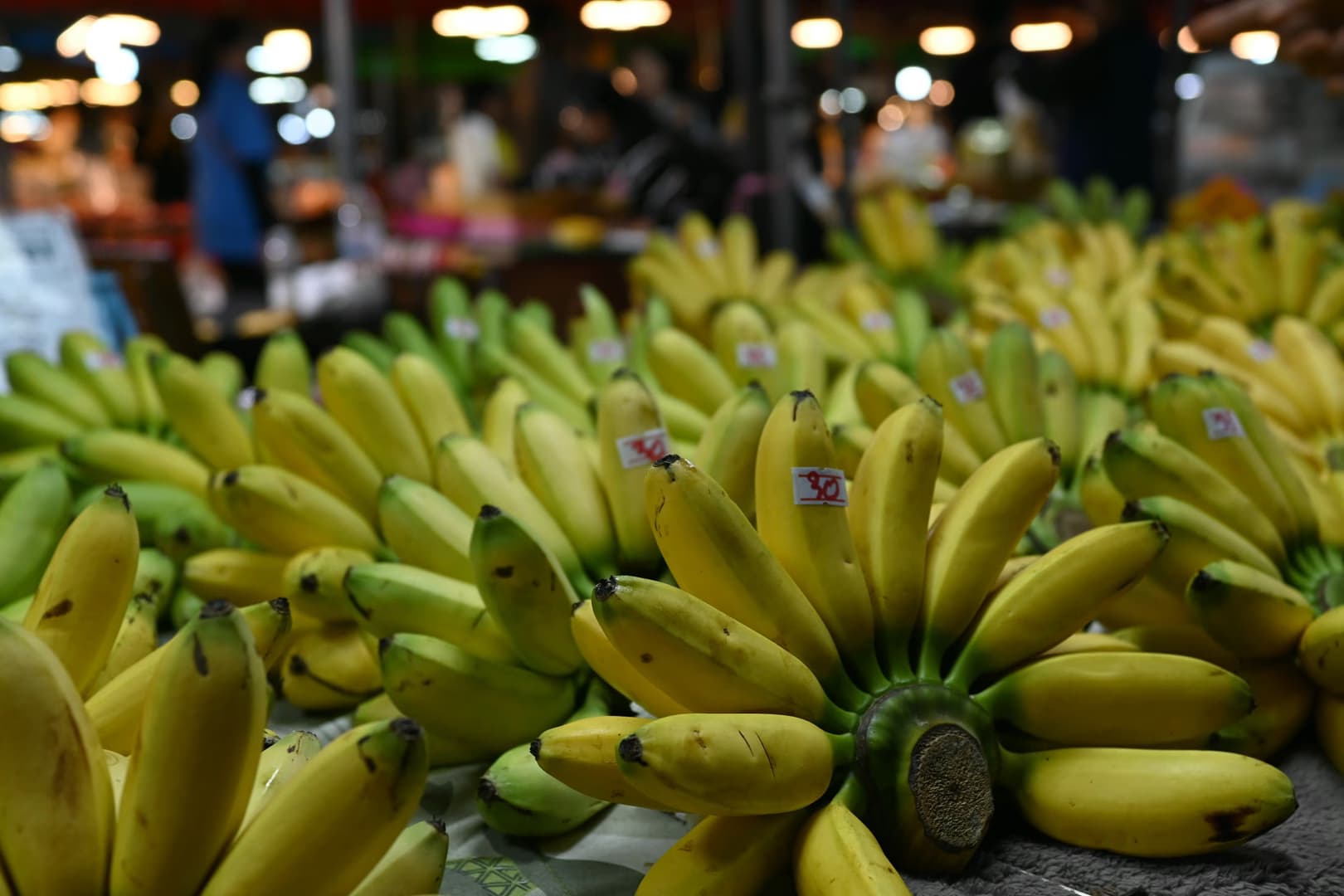
In remarks on what to look for when buying bananas, Prof. Dr. Osman Müftüoğlu advised consumers to avoid bananas with spots on the peel and blackened stems.
Müftüoğlu said, "If the banana has spots on it, dot by dot, don't buy it. Especially if the stem is black, it has been ripened with calcium carbide—that is a serious problem."

"Artificial ripeness"
Stating that consumers should check the banana's stem, Müftüoğlu said, "The stem where the banana attaches to the stalk, that tiny, thin part—if it is black, it has been ripened with calcium carbide; it is artificial ripeness."
Müftüoğlu claimed that imported bananas are loaded before they have ripened and are ripened with calcium carbide en route, saying, "So that they ripen by the time they reach Mersin Port, because they will be put on the market the next day."
Why is calcium carbide being debated?
Calcium carbide, also known as carbide, releases acetylene gas when it comes into contact with moisture, accelerating the ripening of fruit. Its use in fruit ripening has been banned in some countries, including India, because of the arsenic and phosphorus residues it may contain.
The common method used for commercial banana ripening is the use of ethylene gas in controlled ripening rooms. Brown spots on banana peels can also appear naturally as ripening progresses.
Have a story, event or announcement of your own?Send us your news on WhatsApp
Spotted an error in this story?Report it on WhatsApp
Share on all social platforms
Sponsored Ads
Featured Listings
Loading featured properties...
Stay Updated with The Turkiye Times
Subscribe to be informed about special news, developments and announcements. We will keep you informed.
By signing up, you agree to our Privacy Policy