- BIST10011,117-0.92%
- USD49.65+0.05%
- EUR55.60-0.19%
- GOLD4,007.90-1.29%
- INTEREST36.00%-1.00
- BITCOIN80,148-1.15%
- October 24, 202614°
- BIST10011,117-0.92%
- USD49.65+0.05%
- EUR55.60-0.19%
- GOLD4,007.90-1.29%
- INTEREST36.00%-1.00
- BITCOIN80,148-1.15%
- October 24, 202614°
76-year-old Neriman Fil leaves hospital walking after 30-year neck trauma
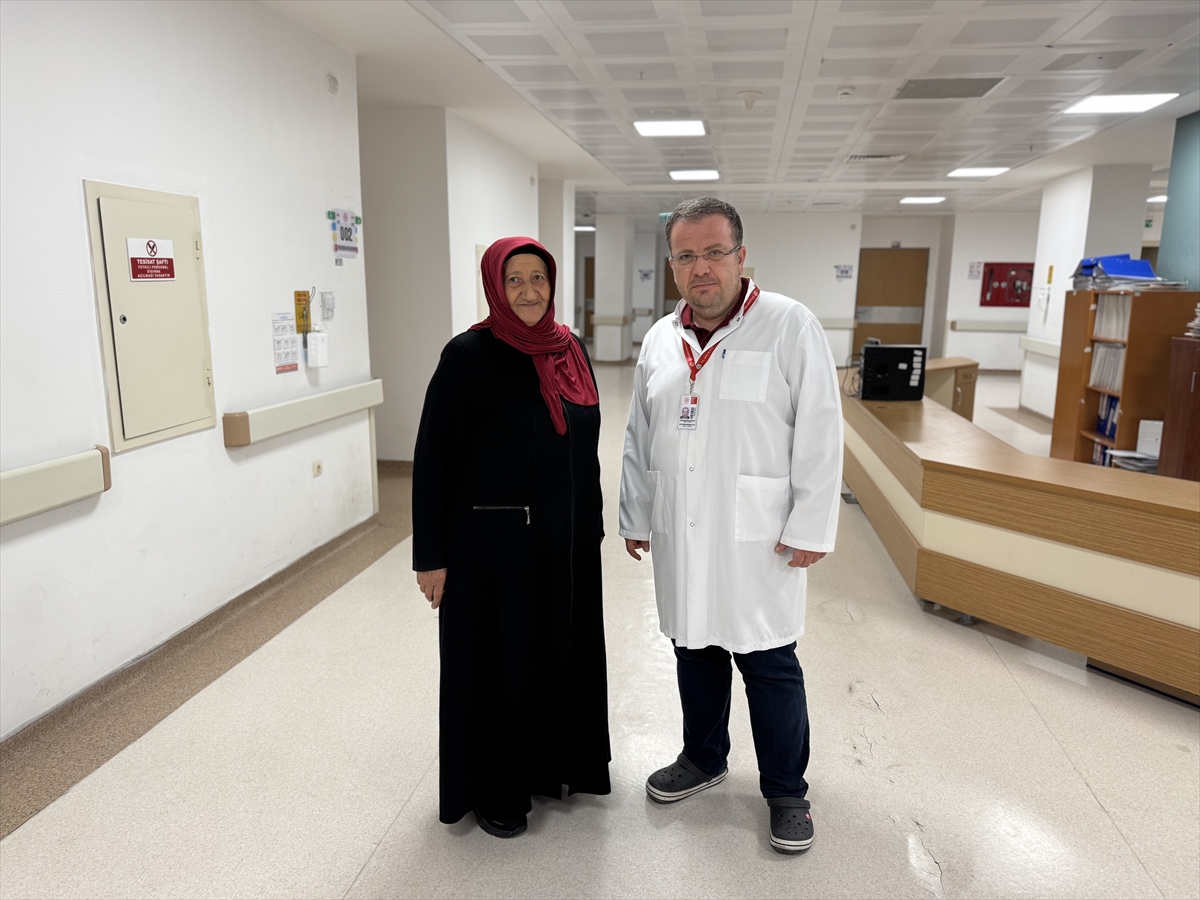
Seventy-six-year-old Neriman Fil, who lives in Istanbul, was paralyzed after a second fall following a neck fracture about 30 years ago. After approximately six hours of surgery and physical therapy at Seyrantepe Hamidiye Etfal Training and Research Hospital, Fil left the hospital walking, having arrived in a wheelchair.


Seventy-six-year-old Neriman Fil, who lives in Istanbul, sought medical attention after a second fall left her paralyzed from the neck down, following neck trauma she suffered about 30 years ago. Examinations found that the fracture in her cervical vertebrae had worsened and that spinal cord damage had developed because of pressure on the spinal cord.
Fil underwent surgery performed by Associate Professor Şevket Evran at the Department of Neurosurgery at Seyrantepe Hamidiye Etfal Training and Research Hospital. The procedure involved occipitocervical stabilization to secure the area between the back of the skull and the cervical spine.
Pressure on the spinal cord relieved
During the operation, part of the posterior skull bone and the posterior section of the first cervical vertebra were removed to relieve pressure on the spinal cord. The posterior skull was then connected to the second, third and fourth cervical vertebrae using screws and a stabilization system.
The surgery lasted approximately six hours. Direct screw fixation could not be performed in the first cervical vertebra because of an advanced fracture in that area. A different surgical technique was used for the second cervical vertebra because one of the main vessels supplying the brain passed through the screw channel.
Associate Professor Şevket Evran said Fil had arrived at the hospital with severe neck pain and advanced loss of strength in her arms and legs. Evran said the patient was initially unable to care for herself or move independently.
Evran said the fracture of the first cervical vertebra, resulting from the neck trauma Fil had suffered about 30 years ago, had progressed. He said angulation in the second cervical vertebra had caused pressure on the spinal cord and spinal cord damage. Evran noted that the surgery carried a high risk because of the unusual spinal anatomy, but said they decided to operate after evaluating the patient’s condition.
Loss of strength improved with physical therapy
Fil’s neurological condition improved significantly after the operation, and physical therapy was added to her treatment at an early stage. Evran said the weakness had completely resolved and that Fil was discharged walking.
Neriman Fil said she had fallen about 30 years ago while working in a tea plantation in Rize with a 70-kilogram load on her back, breaking her neck and foot in the incident. Fil said the neck fracture was not detected at the time, and that she later fell again at home and lost her ability to move.
Fil said the surgery had been successful and that she no longer had any problems. She added that she could now climb three flights of stairs.
Stay Updated with The Turkiye Times
Subscribe to be informed about special news, developments and announcements. We will keep you informed.
By signing up, you agree to our Privacy Policy