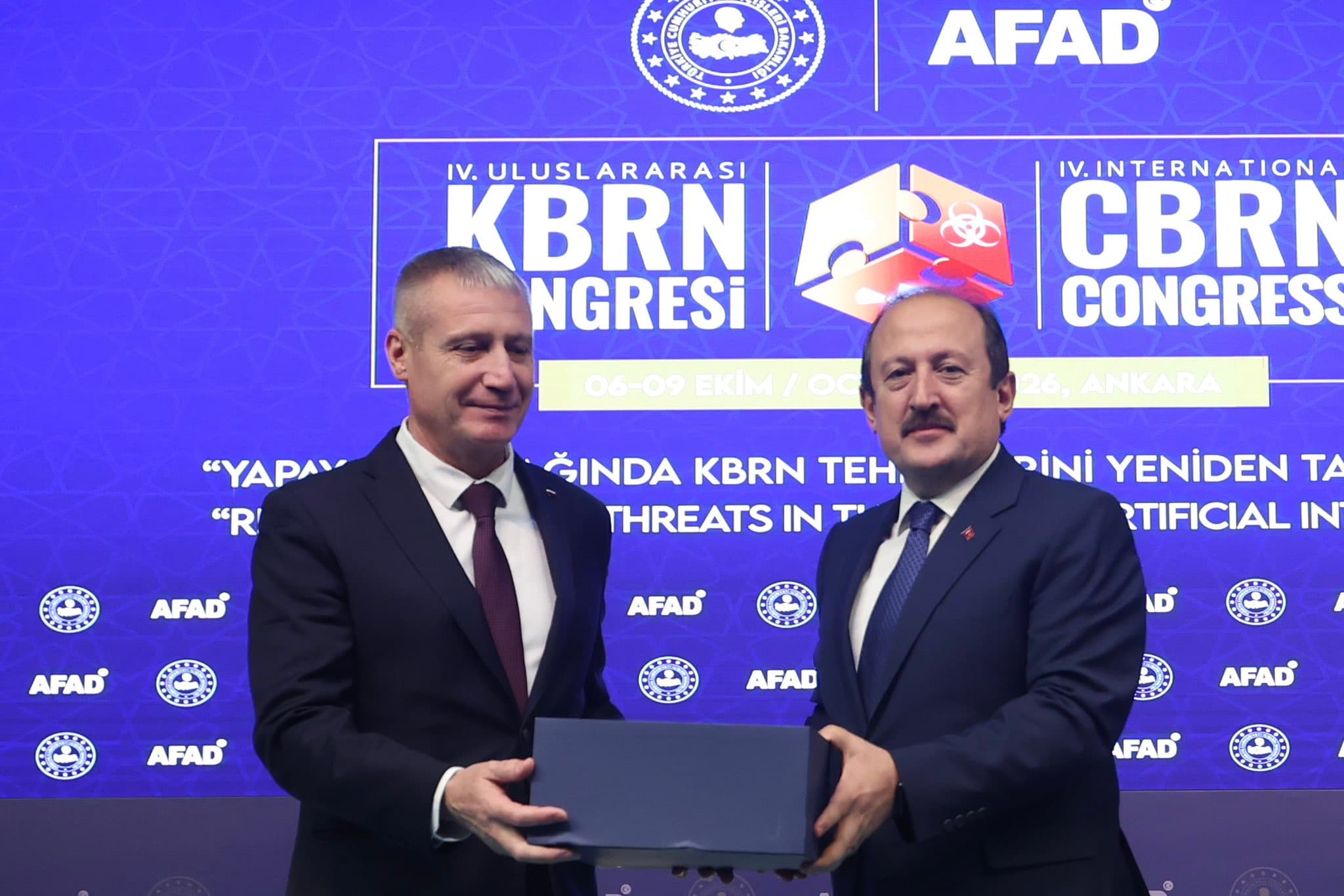
TEI General Manager Mahmut Faruk Akşit made statements about the company's engine projects at the Aviation, Space and Technology Festival held at Şanlıurfa GAP Airport. Akşit said it was important to bring young people together with national technologies and that the company aimed for the technological work at the festival to increase young people's interest in and awareness of these fields.
Certification process continues for GÖKBEY engines
Akşit recalled that the GÖKBEY helicopter had conducted a test flight with the indigenous TEI-TS1400 engine. Saying that the engine had reached flight maturity, Akşit stated that the type-certification process had to be completed for GÖKBEY to enter customer deliveries and the inventory in serial production with the indigenous engine.
The TEI general manager announced that eight different engines were being tested in parallel as part of the certification process. Various tests are expected to be conducted in the presence of the regulatory authority during this process.
Delivery plan for TF6000
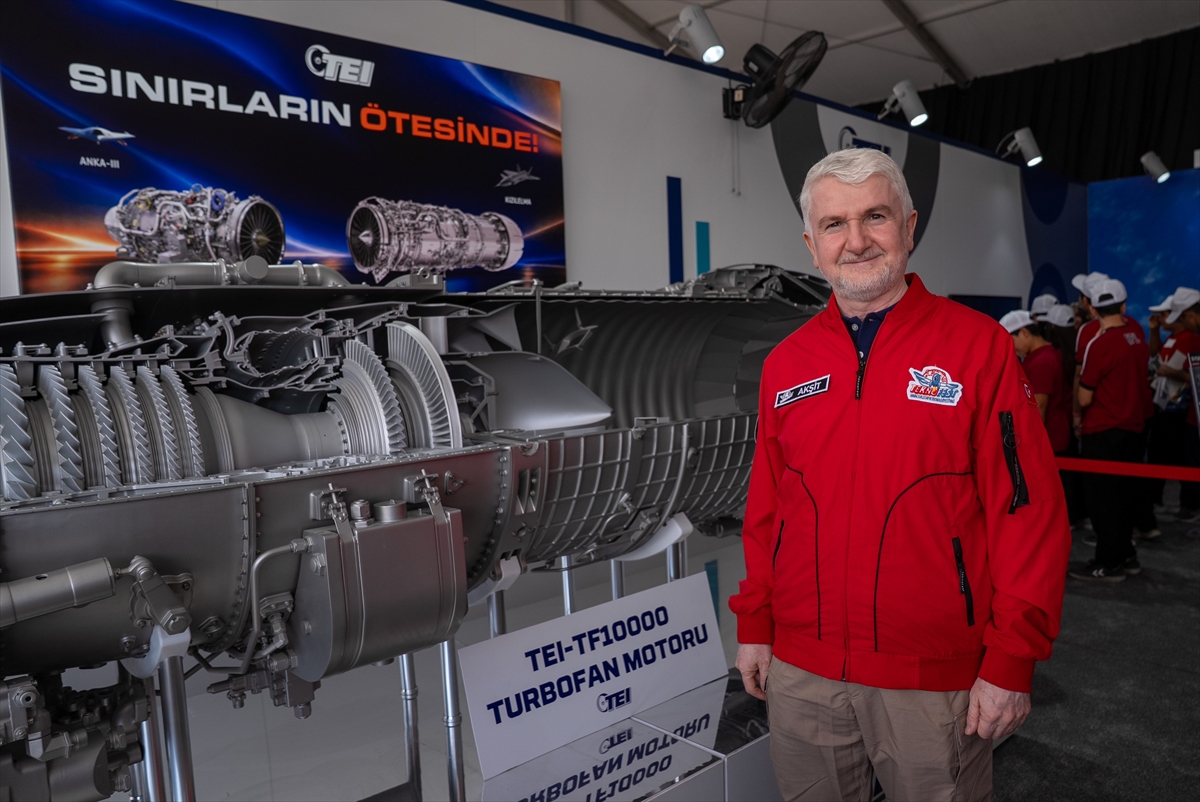
Akşit said the TEI-TF6000, one of TEI's jet-engine projects, had been started and subjected to numerous tests, adding that the team believed the engine had reached flight maturity.
Akşit said the TEI-TF6000 engine was planned for delivery to the first BAYKAR team at the end of the year or the beginning of next year, provided there were no setbacks. The TEI-TF10000 engine, which follows the TF6000, is targeted to be started before the end of next year.
TEITECH structure
Akşit said TEI's engineering and research-and-development capacity had grown over the past 10 years, adding that the research-and-development team, which consisted of approximately 80 to 90 people when he began his tenure, had now reached 1,200 to 1,300 people. He said the total engineering team working on engine development had grown to nearly 2,000 people.
Akşit announced that part of the team had been restructured under the name TEITECH to develop military and certain strategic engines. He said TEITECH would carry out work on the engine for the National Combat Aircraft and the newly developed heavy-class helicopter engine.
Exports and unmanned aerial vehicle engines
Akşit said TEI's export activities were continuing, adding that the company had previously exported to a technologically advanced country and that sales to this country were ongoing. Akşit said the country's name had not been disclosed because the customer wished to remain anonymous, and added that talks with a new customer in another country had begun in the past few months.
Akşit noted that which country would receive how many products under the exports program, as well as the sales method, were subject to state approval, and that the process was being conducted through correspondence with the relevant institutions.
Akşit said TEI's unmanned aerial vehicle engines were being actively used in the inventory, adding that the diesel engine series and unmanned aerial vehicle engines were flying on the Bayraktar TB3, AKSUNGUR and ANKA platforms. Akşit announced that the total flight time of these engines had reached 20,000 hours, adding that more than 100 engines had been produced this year and that figures in the 200 range could be reached soon.
TEI General Manager Akşit said the TF6000 engine will power KIZILELMA, the unmanned combat aircraft developed by Baykar, adding that they aim to deliver the first engine to Baykar for testing at the end of this year or early next year.