The number of active industrial robots in factories worldwide surpassed 5 million last year. Advances in artificial intelligence, transformations in supply chains and the growing use of automation in manufacturing pushed robot use to historic highs.
The International Federation of Robotics announced that the global stock of active robots rose 9% year on year. New industrial robot installations also increased 11%, surpassing 600,000.
China accounted for 59% of global installations
China increased its annual robot installations by 20% to 354,000, accounting for 59% of new installations worldwide on its own. Domestic companies in the country captured a 55% share of the robot market.
New robot installations in Japan fell 19% to 36,219. The United States increased its installations by 12% to 38,500, overtaking Japan to move into second place.
South Korea retained fourth place with 30,200 installations. Installations in Germany fell 8% to 24,800, while those in India rose 15% to 10,500.
Germany leads Europe
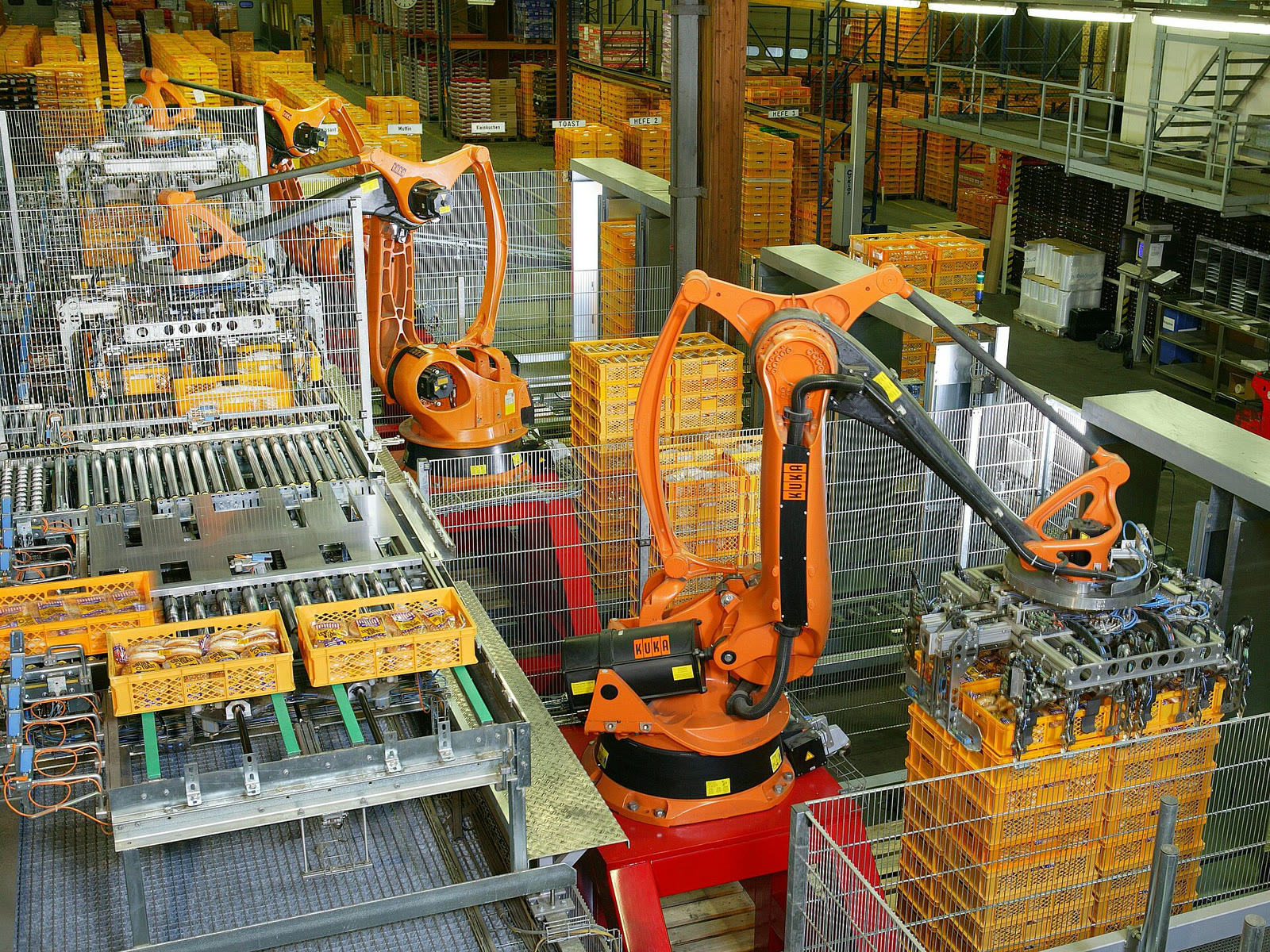
Germany accounted for 41% of robot installations across the European Union. At the same time, growth slowed in Germany, while installations also declined in Italy, France and Spain.
Global demand for robots is expected to increase in the coming years. New installations are projected to reach 655,000 this year and 806,000 in 2029.
Persistent labor shortages in advanced economies, the relocation of production closer to supply chains and lower installation costs for small and medium-sized enterprises due to artificial intelligence-driven technologies were cited among the main factors behind the increase in robot investments.
Türkiye ranks 17th
Türkiye ranked 17th in the global robot market last year. New robot installations in the country fell 9% to 3,194, remaining below the record of 4,429 set in 2023.
Türkiye’s active stock of industrial robots rose 7% to 30,990. As a result, Türkiye ranked 15th worldwide by the size of its total robot fleet.
Metal and automotive sectors stand out
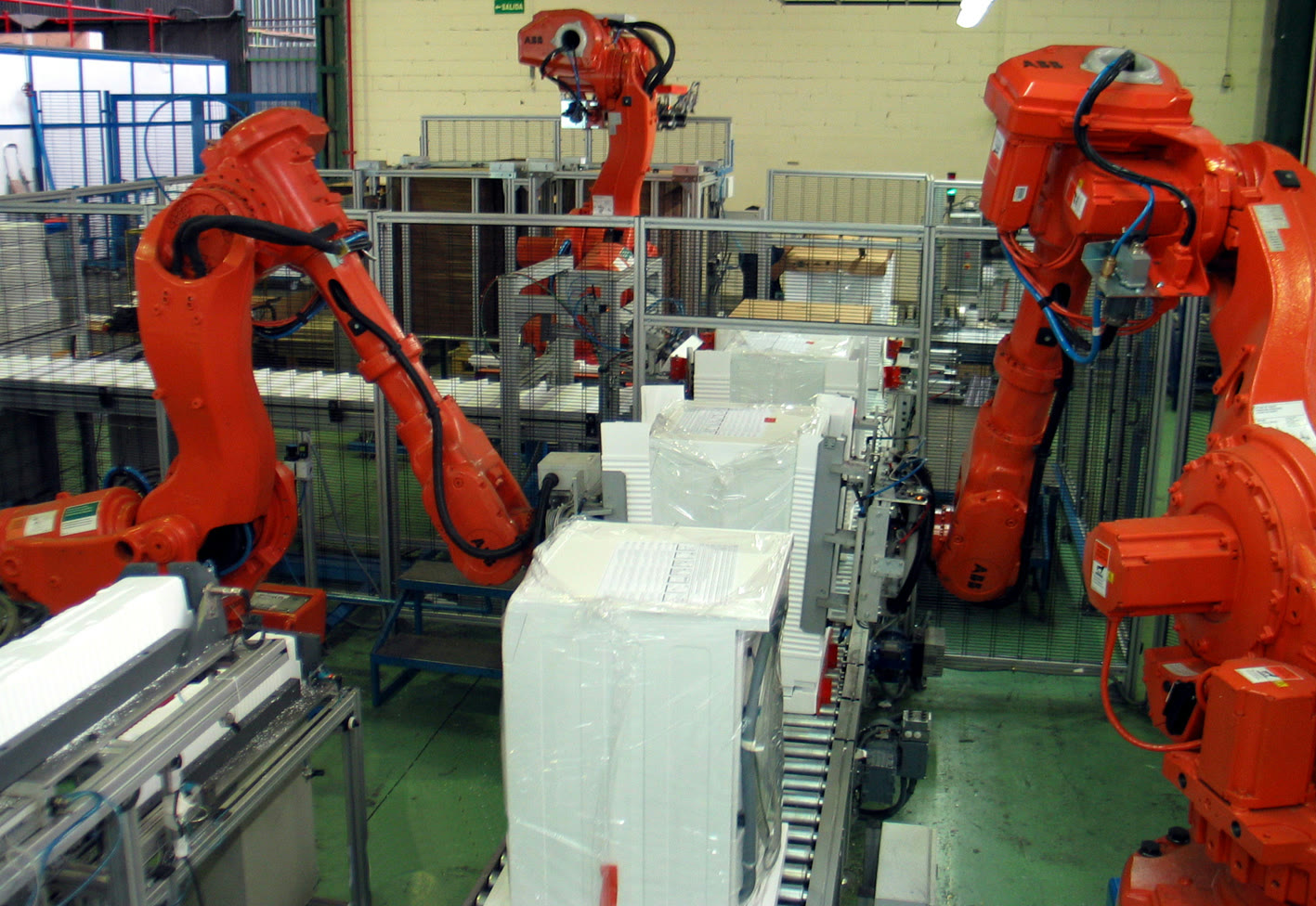
In Türkiye, the metal sector ranked first among other sectors in automation investments. New installations in the sector rose 8% to 990, accounting for 31% of the total market, while the number of active robots in the metal sector reached 6,774.
The robot stock in the automotive sector rose 3% to 889. The sector accounted for 28% of new installations, while its number of active robots was recorded at 11,017.
In the electrical and electronics sector, including household appliances and electrical machinery production, annual robot installations fell 37% to 136. Installations in the food, beverage and tobacco products sector also fell 40% to 144.
Of the new robots, 59% were used for handling and machine tending, while 16% were used for welding and soldering activities.
There are 52 robots for every 10,000 workers in the manufacturing industry. This density rises to 374 in the automotive sector, while it stands at 35 robots per 10,000 workers in other industrial branches.