A major step has been taken in the new cooperation process launched by Türkiye, Pakistan and Saudi Arabia in the fields of defense and security.
The first meeting of the Strategic Political and Defense Committee, established under the Mecca Joint Defense Agreement signed by the three countries on August 7, 2026, began in Istanbul on August 31.
The foreign and defense ministers and senior military officials of the three countries attended the meeting. Hosted by Türkiye, the gathering is the first major meeting aimed at institutionalizing the new defense mechanism.
Fidan, Güler and Bayraktaroğlu represent Türkiye
Türkiye is represented at the meeting by Foreign Minister Hakan Fidan, Defense Minister Yaşar Güler and Chief of General Staff General Selçuk Bayraktaroğlu.
The Pakistani delegation includes Deputy Prime Minister and Foreign Minister Muhammad Ishaq Dar, Defense Minister Khawaja Muhammad Asif and Chief of Army Staff and Chief of Defense Forces Field Marshal Asim Munir.
The Saudi delegation includes Foreign Minister Faisal bin Farhan, Defense Minister Khalid bin Salman and Chief of General Staff General Fayyad bin Hamed Al-Ruwaili.
The participation of the three countries’ foreign policy, defense and military leaderships at the same table underscores the importance of the Istanbul meeting.

Joint defense production on the agenda
One of the meeting’s most important subjects is turning military cooperation between the three countries into concrete initiatives.
In addition to international security issues, the talks are expected to address improving interoperability between the armed forces, strengthening defense capabilities and deepening cooperation in the defense industry.
Joint development and joint production projects are among the most prominent items on the agenda.
The committee is expected to provide strategic direction for future activities and lead the creation of the mechanisms needed to implement the agreement.
An attack on one country will be considered an attack on all three
One of the most notable elements of the Mecca Joint Defense Agreement is its principle of collective defense.
Under the agreement, a security mechanism has been established under which an armed attack against any one of the three countries will be considered an attack against the other parties as well.
In this respect, the agreement’s collective defense approach is being compared in the international press with the principle of mutual defense set out in Article 5 of the NATO treaty.

Hakan Fidan holds separate meeting with Saudi counterpart
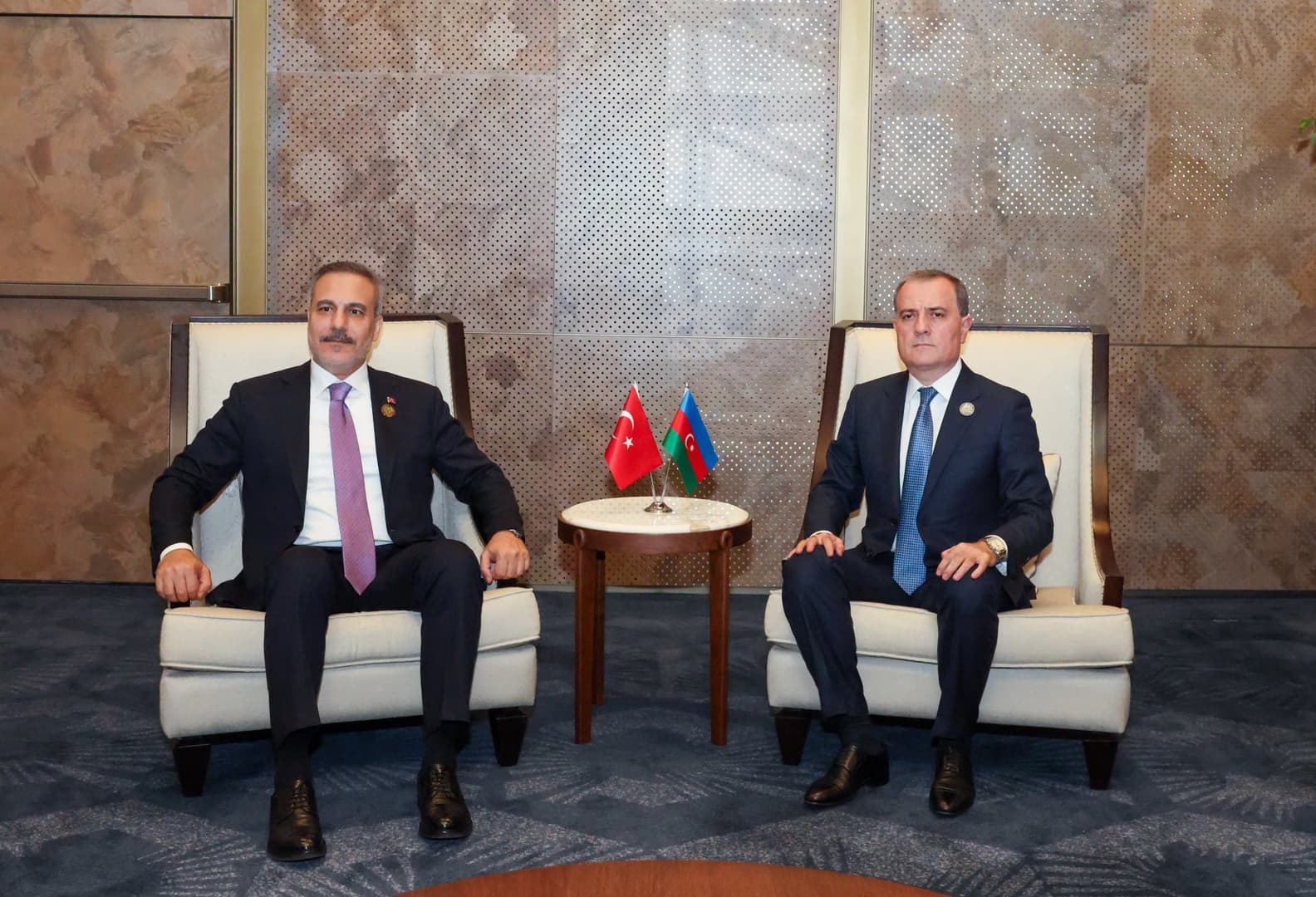
The trilateral meeting in Istanbul is also accompanied by intensive bilateral diplomacy.
Foreign Minister Hakan Fidan also met with Saudi Foreign Minister Faisal bin Farhan.
The meeting addressed Türkiye-Saudi Arabia bilateral relations, efforts to develop cooperation between the two countries and recent developments in the region.
The sides also assessed the need to step up efforts to strengthen regional security and stability.
One day earlier, on August 30, Fidan met in Istanbul with Pakistani Deputy Prime Minister and Foreign Minister Muhammad Ishaq Dar. The Ministry of Foreign Affairs announced this meeting through its official channels.
Road map for the new mechanism to be drawn up
The first meeting in Istanbul is not expected to focus solely on current security issues.
The parties are also expected to work on an institutional road map for how the Mecca Joint Defense Agreement will operate going forward.
The committee is expected to identify areas of joint activity, establish the operating framework for the relevant mechanisms and make political, military and defense-industry coordination among the three countries more systematic.

Notable meeting amid regional tensions
The Istanbul meeting is taking place at a time when security balances are rapidly shifting in the Middle East and surrounding areas.
Türkiye, with its strong defense industry and military capabilities within NATO; Pakistan, with its nuclear capabilities and large army; and Saudi Arabia, one of the Gulf’s most important economic and military actors, form the three principal parties to the new mechanism.
For this reason, the decisions emerging from the first committee meeting in Istanbul are expected to be closely watched not only for their impact on bilateral relations among the three countries but also for their implications for security balances in the Middle East and South Asia.
If statements are issued after the meeting on the defense industry, joint military activities and new cooperation mechanisms, a clearer picture will emerge of how the agreement will be implemented.