- BIST10012,151-0.94%
- USD49.220.00%
- EUR55.21+0.28%
- GOLD4,194.50-0.52%
- INTEREST37.00%-1.00
- BITCOIN83,014-0.79%
- October 12, 202619°
- BIST10012,151-0.94%
- USD49.220.00%
- EUR55.21+0.28%
- GOLD4,194.50-0.52%
- INTEREST37.00%-1.00
- BITCOIN83,014-0.79%
- October 12, 202619°
Türkiye’s biogas plants prepare to enter Europe’s biomethane market
Biotrend Enerji and Germany-based Uniper signed a memorandum of understanding to examine options for converting waste-based biogas plants into biomethane production facilities and delivering the gas to Europe through Türkiye’s natural gas network. The first stage will assess technical, commercial and regulatory feasibility; no timeline has yet been set for biomethane exports.


Biotrend Enerji ve Çevre Yatırımları AŞ, part of Doğanlar Holding, and Germany-based energy company Uniper have signed a memorandum of understanding to explore the conversion of waste-based biogas plants in Türkiye into biomethane production facilities and assess opportunities for developing new capacity.
The cooperation will also examine options for transporting the biomethane produced to Europe through Türkiye’s natural gas network. The work is currently defined as being at the conceptual development stage, and no timeline has yet been set for exports.
Biogas plants to undergo feasibility assessment
The first phase will analyse the technical and economic suitability of existing plants for biomethane production. Opportunities to develop new capacity will be assessed together with the plants’ locations, the characteristics and continuity of feedstock, infrastructure conditions, carbon intensity and sustainability criteria.
Biomethane is produced by purifying and upgrading biogas obtained from organic waste to remove impurities such as carbon dioxide, hydrogen sulfide and moisture. This renewable gas, which has properties similar to natural gas, can be used in existing natural gas infrastructure and can contribute to reducing greenhouse gas emissions in the industrial and transport sectors.
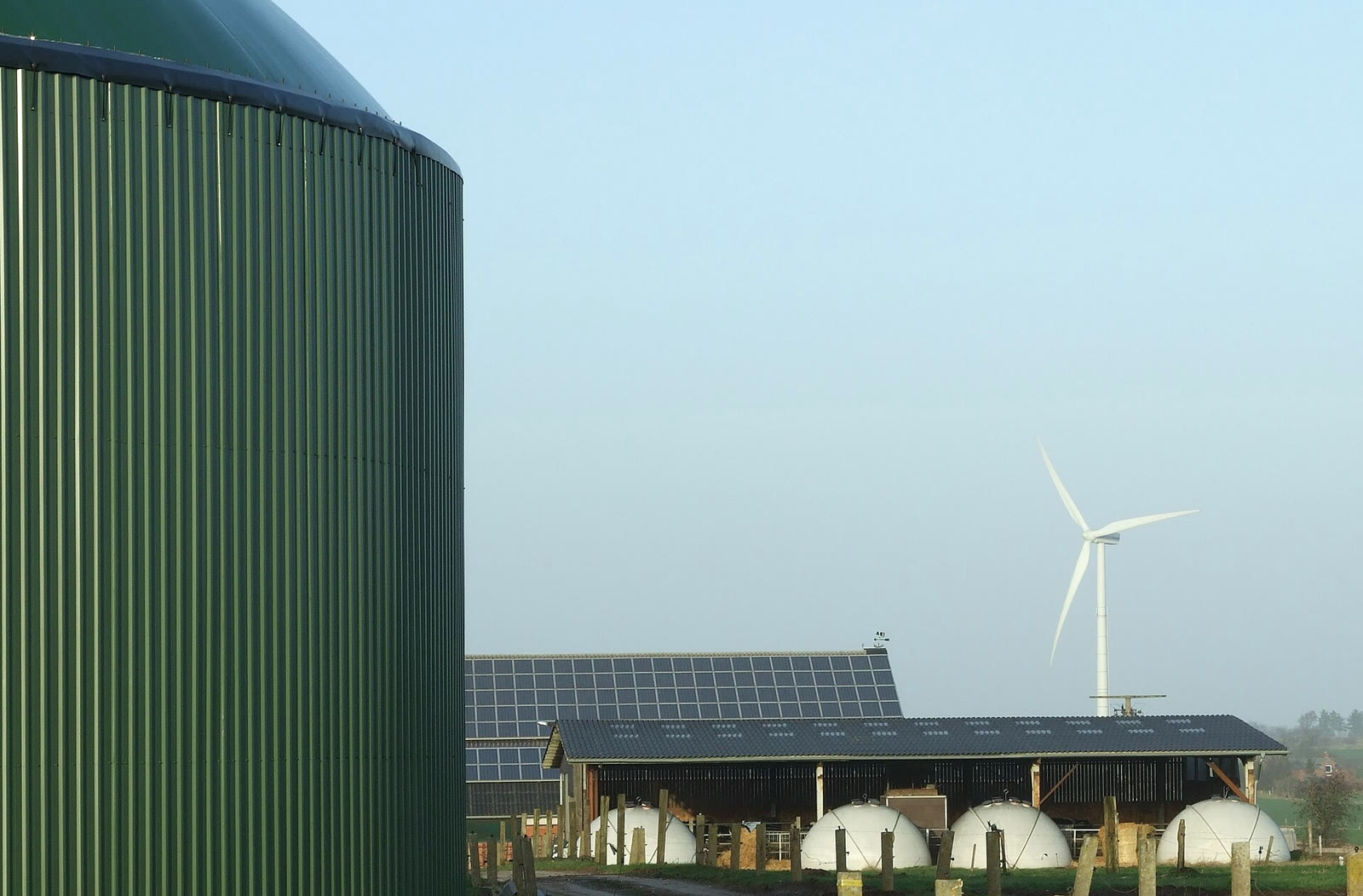
Türkiye’s biomethane potential is estimated to reach up to 50 terawatt-hours annually. This potential represents a significant resource for converting organic waste into renewable gas.
Technical and legal conditions for exports to be addressed
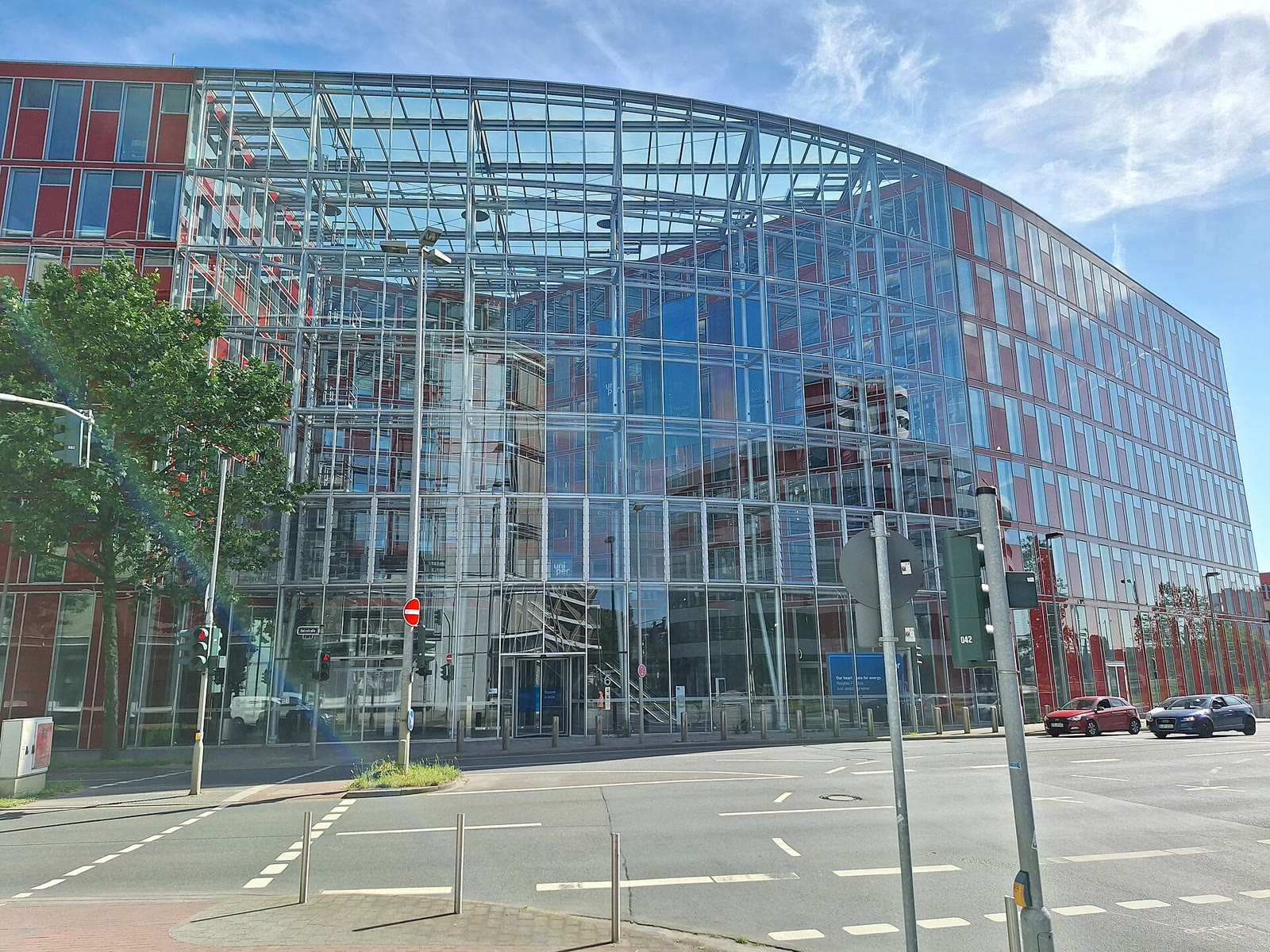
Uniper Chief Executive Officer Michael Lewis announced that the company was investigating whether biomethane imports from Türkiye to Germany would be possible. Lewis said energy companies needed to clarify regulatory issues as well as technical and commercial matters.
Lewis said they saw significant long-term market potential, but that no figures were being discussed at this stage. He said Germany or European Union countries could be the biomethane’s final destinations and noted that the gas could be transported by injecting it into existing natural gas pipelines.
Lewis also said that the amount of biomethane fed into the natural gas system needed to be verified through certificates. Technical, commercial and regulatory challenges must be overcome for the export process to move forward.
Three-stage conversion plan
Doğanlar Holding Group Chief Executive Officer Hakan Göral described the memorandum as a starting point for bringing Türkiye’s biogas potential to the growing biomethane market. Göral said the company’s plant portfolio, spread across different regions, had the potential to produce approximately 1.4 terawatt-hours of biomethane annually as of the first quarter of the year.
Göral said the existing infrastructure would be preserved as far as possible and that a gradual conversion would begin with plants that had high biomethane potential. In the first phase, feasibility studies will be prepared for the plants, while the gas’s purifiability and production conditions will be examined.
The second phase will involve pilot and commercial-scale applications at selected plants to convert biogas into biomethane, separate carbon dioxide, improve gas quality and establish measurement and certification infrastructure. The third phase aims to offer the biomethane produced to suitable markets.
Göral said technical feasibility, appropriate operating practices, the legal framework and sustainability certification were key areas for exports to Europe. In line with Biotrend’s goal of becoming carbon neutral by 2040, the company aims to turn production into a biomethane value chain verified against sustainability and traceability criteria.
Stay Updated with The Turkiye Times
Subscribe to be informed about special news, developments and announcements. We will keep you informed.
By signing up, you agree to our Privacy Policy

















