- BIST10012,251-0.12%
- USD49.34+0.24%
- EUR55.21-0.01%
- GOLD4,184.20+0.17%
- INTEREST37.00%-1.00
- BITCOIN83,422+2.04%
- October 14, 202617°
- BIST10012,251-0.12%
- USD49.34+0.24%
- EUR55.21-0.01%
- GOLD4,184.20+0.17%
- INTEREST37.00%-1.00
- BITCOIN83,422+2.04%
- October 14, 202617°
Warning from Iran to Beirut: War may flare up again
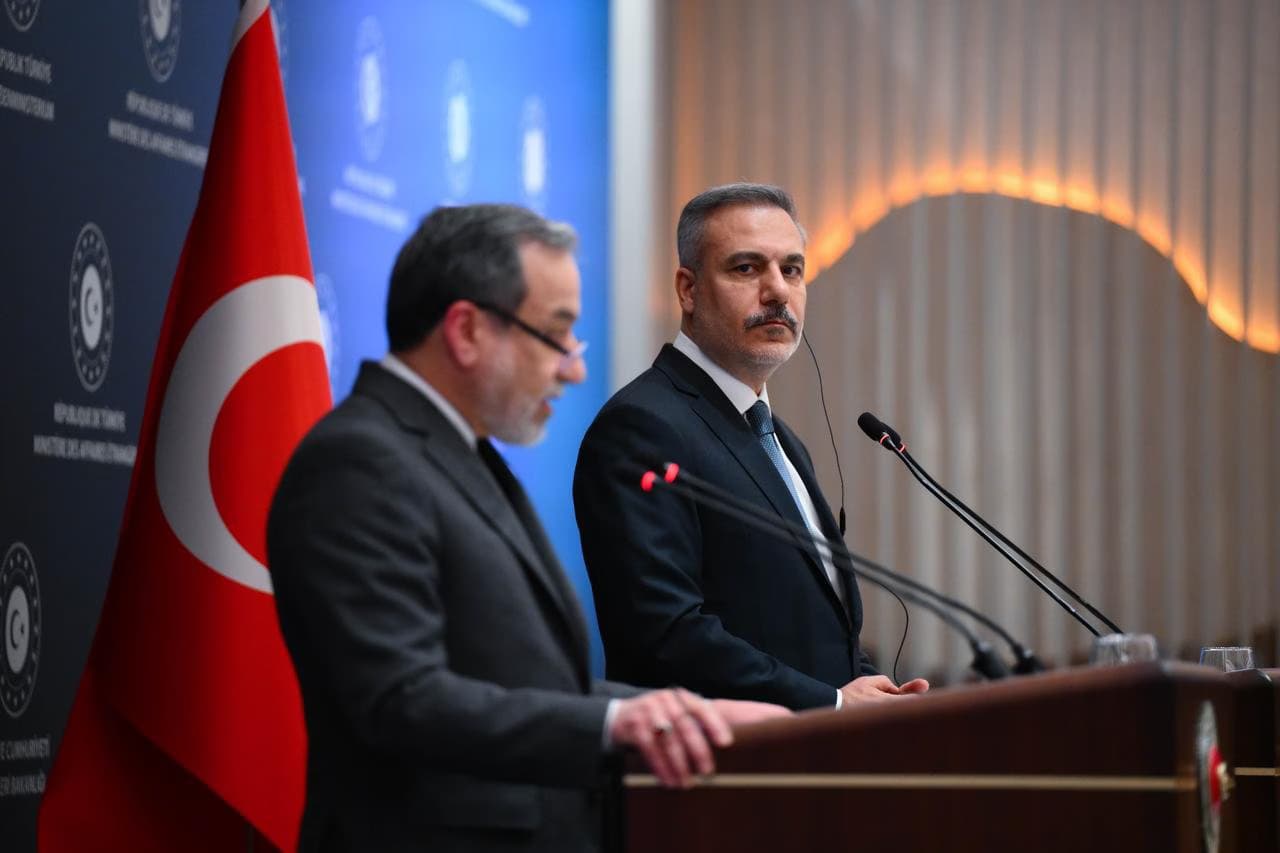
Iran's Foreign Minister Abbas Araghchi said that an attack on Beirut could turn the Middle East war back into a full-scale conflict.


Iran's Foreign Minister Abbas Araghchi said that any attack on Beirut could lead to the war in the Middle East flaring up again on a full scale. Araghchi also stated that Iran's armed forces are ready to respond if Israel attacks Beirut.
Araghchi's statement came at a time when Israel is continuing its campaign against Hezbollah in Lebanon. The Iranian minister argued that Israeli forces must withdraw from the country for the conflict in Lebanon to end.
Highlights
- Araghchi said that an attack on Beirut would have severe consequences.
- The Iranian minister warned that the war could become widespread again.
- Iran argues that the end of the war in Lebanon depends on the withdrawal of Israeli forces.
- Araghchi expressed that the Iranian army is ready to respond if Israel attacks Beirut.
- Israeli and Lebanese diplomats were expected to hold direct talks in Washington for the second day.
The Lebanon front is escalating tensions
Araghchi said that the fate of the war between Iran, Israel, and the US cannot be considered separately from the conflict in Lebanon. According to him, the two fronts have been linked since the first day of the clashes.
The Iranian minister emphasized that the "occupation must also end" for the war in Lebanon to finish. In this context, he demanded that Israeli forces withdraw from the occupied areas.
Comments came amid ongoing contacts in Washington
These statements were made as Israeli and Lebanese diplomats were holding direct talks for the second day in Washington. The talks were part of the fourth round of contacts since the clashes began in Lebanon.
It was also reported that Hezbollah strongly opposed these direct talks. Meanwhile, Israeli Prime Minister Benjamin Netanyahu said in an interview with CNBC that he and Donald Trump share the goal of disarming Hezbollah and demilitarizing Lebanon.
Background of the conflict
The war in Lebanon escalated after Hezbollah fired rockets at Israel. These attacks were said to be in response to the killing of Iran's religious leader.
Araghchi's words showed that the tension in the region keeps the risk of a broader conflict alive not only on the Lebanon front but also on the Iran-Israel line. This warning about the possible consequences of an attack on Beirut coincides with a period when the boundaries of the war are being reconsidered.
Context: While Iran conditions the end of the conflict in Lebanon on military withdrawal and the end of occupation, the Israeli side demands the disarmament of Hezbollah and the demilitarization of Lebanon. These opposing positions keep tensions high as diplomatic contacts continue in Washington.
Stay Updated with The Turkiye Times
Subscribe to be informed about special news, developments and announcements. We will keep you informed.
By signing up, you agree to our Privacy Policy