- BIST10012,251-0.12%
- USD49.34+0.24%
- EUR55.21-0.01%
- GOLD4,184.20-0.15%
- INTEREST37.00%-1.00
- BITCOIN83,244+1.82%
- October 14, 202617°
- BIST10012,251-0.12%
- USD49.34+0.24%
- EUR55.21-0.01%
- GOLD4,184.20-0.15%
- INTEREST37.00%-1.00
- BITCOIN83,244+1.82%
- October 14, 202617°
YÖK Chairman Özvar says nearly half a million may apply for student amnesty
Erol Özvar said nearly half a million people could apply under the student amnesty regulation that took effect on August 9, excluding current students. Those who benefited from previous amnesties will also be eligible to apply, with applications closing on December 9.


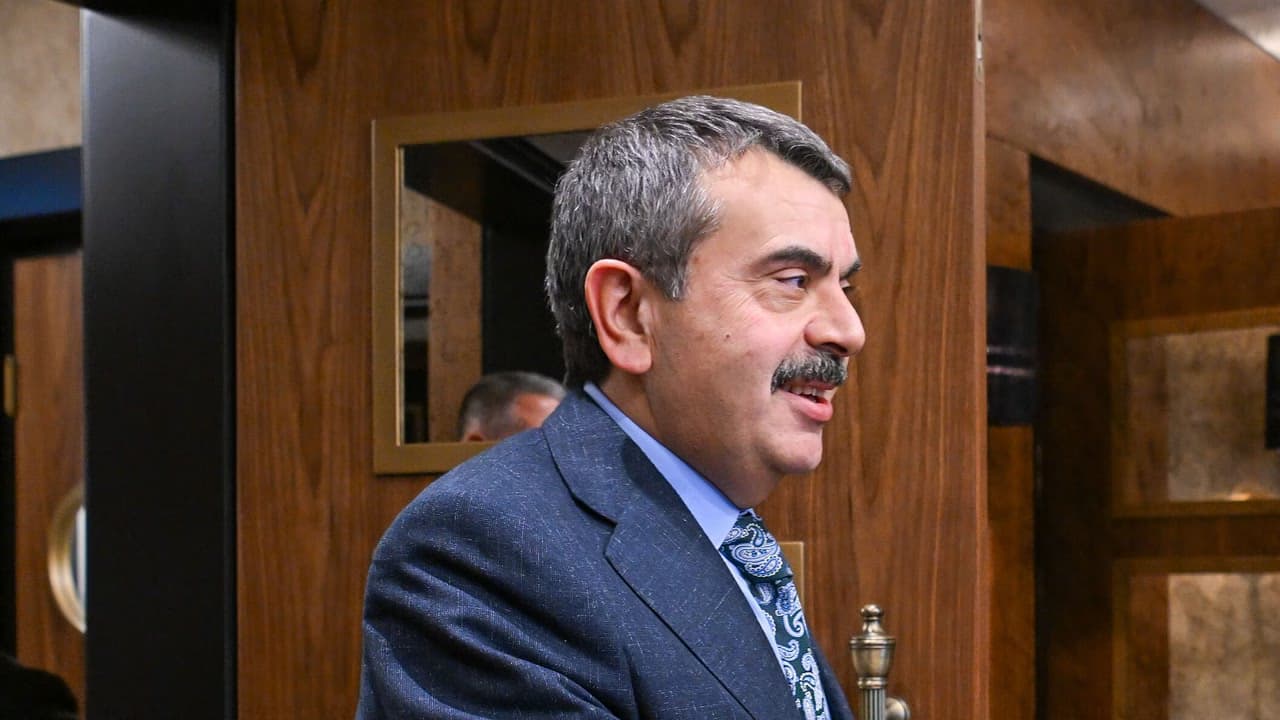
YÖK Chairman Prof. Dr. Erol Özvar made statements about the scope of the student amnesty and higher education regulation that was published in the Official Gazette and took effect on August 9.
Özvar said it was difficult to estimate the total number of applications precisely because some current students may also be eligible to benefit from the amnesty. He estimated that nearly half a million students whose enrollment had been terminated could apply, excluding current students.
Those who benefited from previous amnesties will also be eligible to apply
Özvar said that people who had benefited from previous student amnesties, as well as those who had not applied for them, could benefit from the new regulation. He stated that having applied or not applied in the past would not prevent people from benefiting from the new amnesty.
Those convicted of terrorism, intentional killing, torture, torment, sexual assault, sexual abuse of children, or the manufacture and trafficking of narcotic or stimulant substances will not be eligible to benefit from the regulation. Those whose enrollment was terminated because they used unlawful means or submitted forged documents will also be excluded.
Maximum study periods will be calculated according to the year of enrollment
Özvar said the maximum study periods for students returning to university under the amnesty would be calculated according to the year in which they were enrolled or the level to which they were assigned after academic adjustment. In a four-year undergraduate program, where the maximum period is normally seven years, the period will be reassessed according to the year to which the student is assigned.
For example, a student assigned to the third year will be considered to have used two years of the program's maximum period and will have five years remaining to graduate. The time elapsed up to the year or semester in which the student was enrolled will be included in the calculation of the maximum study period.
An exception will apply to students in programs involving professional or practical training, such as medicine and dentistry, who have reached the internship stage. Students whose enrollment was terminated because they exceeded the maximum period after completing their theoretical courses will be expected to complete their internship training in order to graduate.
Those unable to enroll and preparatory-class students are also covered
Those who were placed in a program but could not enroll, as well as those whose enrollment was terminated while registered in any program from an associate degree to a doctorate, will also be eligible to benefit from the student amnesty. Students in preparatory classes will also be covered by the regulation.
Students whose programs have closed may be placed in equivalent programs
If the program from which a student's enrollment was terminated has closed or no longer accepts students, universities will take steps to enable the applicant to enroll in an equivalent program. Ranking and minimum admission scores will be taken into account during this process.
If no suitable equivalent program can be found, universities will consult YÖK and develop a solution allowing the student to continue their education in another program without suffering a loss of rights.
Enrollment will be required before applying for a transfer
Özvar said students must first enroll in the program from which their enrollment was terminated or, if that program is unavailable, in an equivalent program. After completing this process, students will be able to apply for a transfer to an equivalent program at the same university or another university.
For equivalent programs such as economics, business administration and labor economics, the student's score type and the requirements of the relevant programs will be taken into account. Students will be able to continue their education from the year to which they are assigned.
Applications will be accepted until December 9
Universities will apply to the Council in cases that do not comply with the procedures and principles set by YÖK. The application period for those wishing to benefit from the student amnesty will end on December 9.
Those who are currently students but plan to withdraw from their programs and apply under the amnesty in order to benefit from the maximum study period will need to carefully assess the conditions applicable to their programs. Özvar said the regulation would expand access to higher education and offer young people new career opportunities.
Stay Updated with The Turkiye Times
Subscribe to be informed about special news, developments and announcements. We will keep you informed.
By signing up, you agree to our Privacy Policy