- BIST10010,760-3.63%
- USD49.86+0.15%
- EUR55.82+0.52%
- GOLD3,898.900.00%
- INTEREST36.00%-1.00
- BITCOIN77,765+0.42%
- November 1, 202616°
- BIST10010,760-3.63%
- USD49.86+0.15%
- EUR55.82+0.52%
- GOLD3,898.900.00%
- INTEREST36.00%-1.00
- BITCOIN77,765+0.42%
- November 1, 202616°
Hagia Sophia's underground tunnels will open after 3,000 tons are removed
Türkiye's Culture and Tourism Minister Mehmet Nuri Ersoy said work continues in the tunnels, water channels and cisterns beneath Hagia Sophia, with the aim of introducing sections that meet safety and conservation requirements to the press before opening them to visitors.
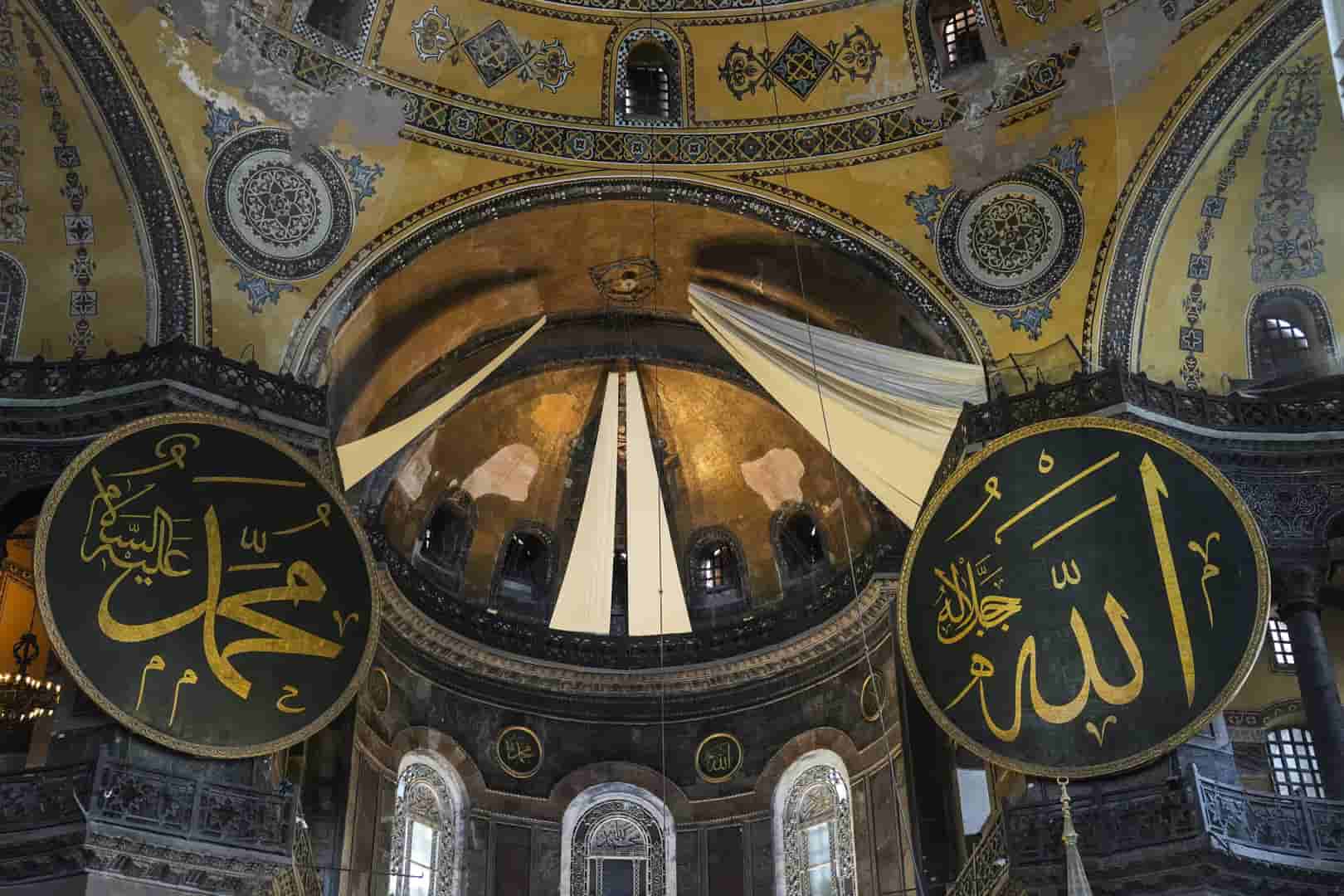
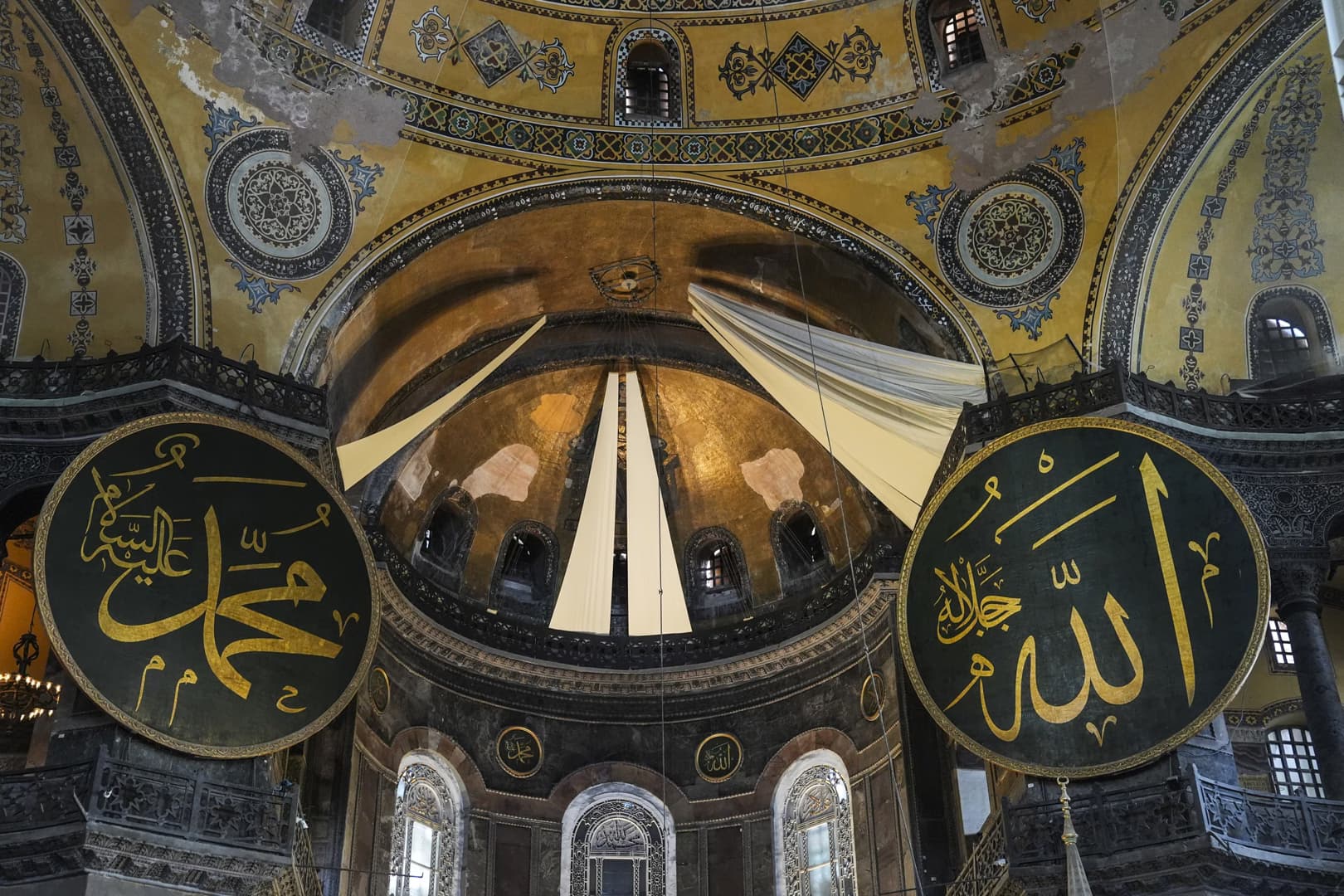
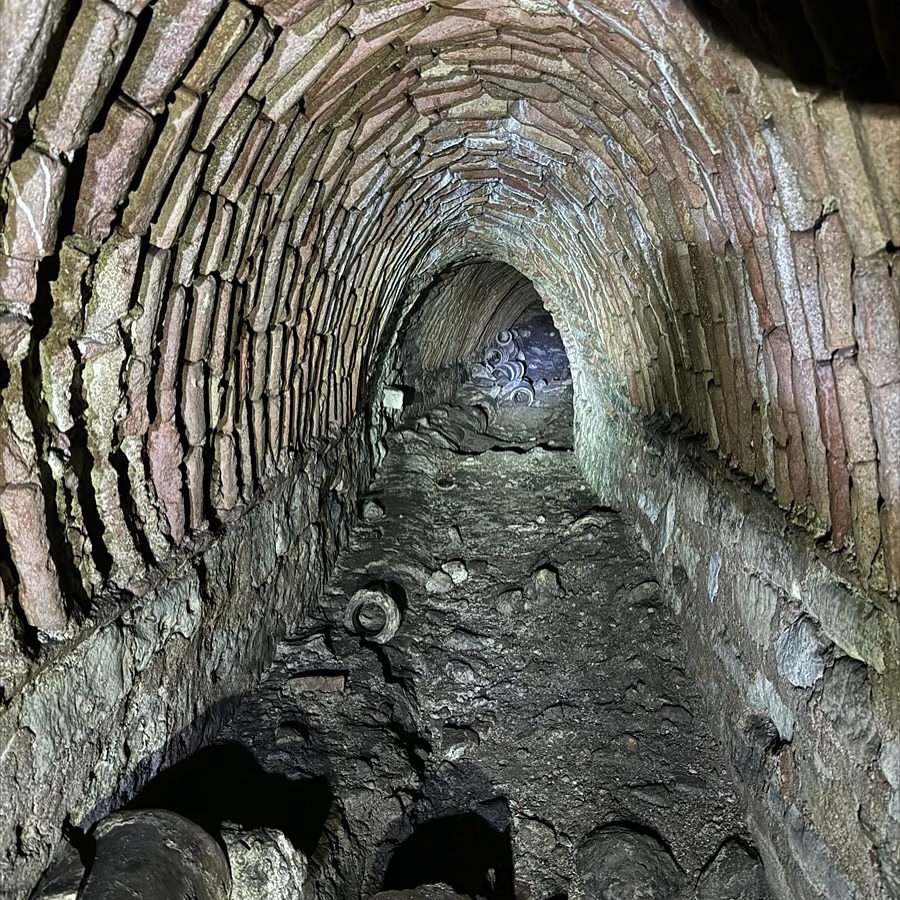
Hagia Sophia's historic underground tunnels, water channels and cisterns are being prepared for visitors. Türkiye's Culture and Tourism Minister Mehmet Nuri Ersoy said approximately 3,000 tons of mud and rubble had been removed from the structure's underground areas so far, adding that new spaces had been reached as work progressed in some sections.
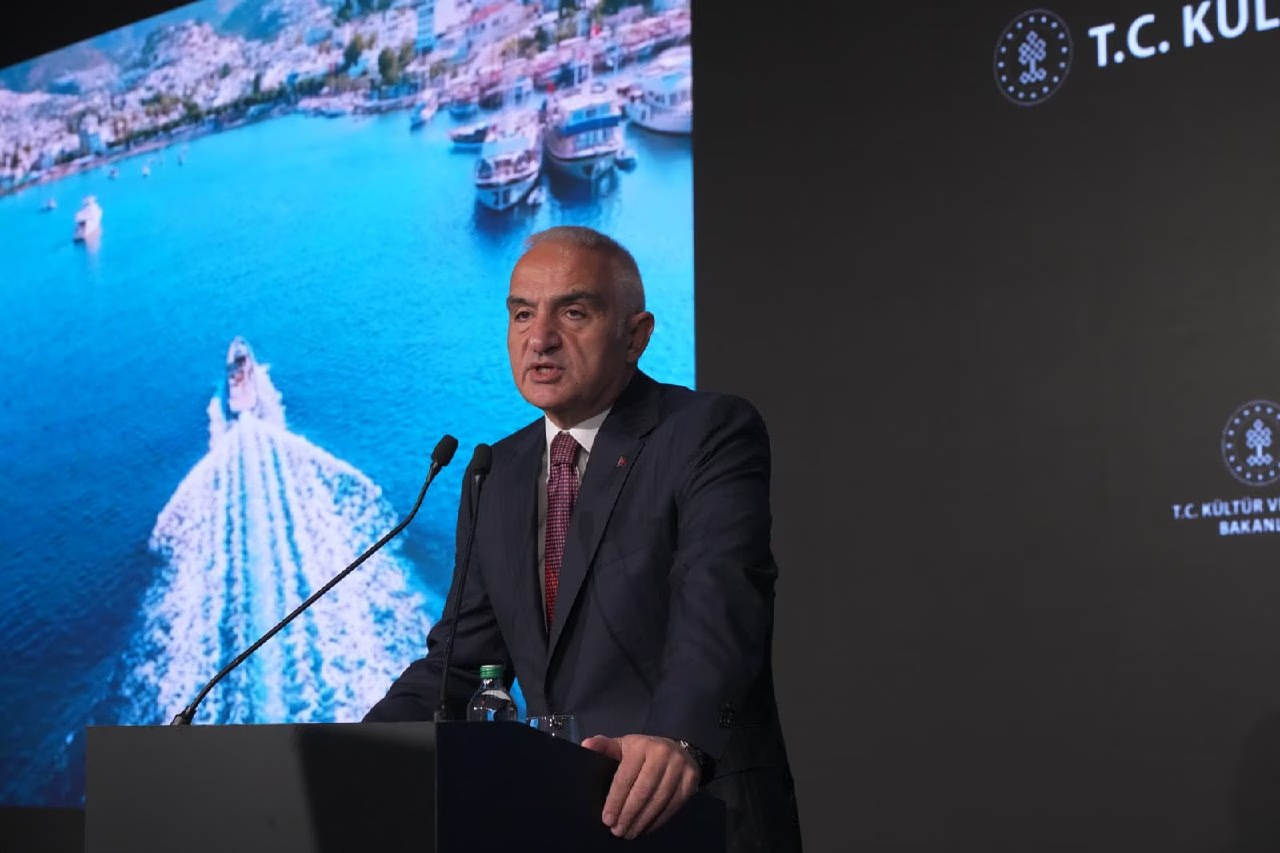
Responding to journalists' questions as part of the Antalya Culture Route Festival, Ersoy said the underground structures also provided important information about Istanbul's historic water management and infrastructure.
“Some sections are large enough for people to pass through”
“We are researching underground systems that served functions such as draining rainwater and distributing water. Some sections are large enough for people to pass through. However, we have not yet identified the functions and historical connections of all the areas,” Ersoy said. He added that work in the four-room underground tomb, or hypogeum, in the northeastern section was helping researchers understand traces dating to periods older than Hagia Sophia.
Ersoy said the following about the visitor schedule: “At an early date, we want to first introduce these areas to members of the press and show our work on site. We then aim to open the suitable sections whose necessary conservation, safety and visitor infrastructure work has been completed to the public. Scientific examinations and safety conditions will determine which areas can be opened to visitors.”
Most comprehensive intervention since Mimar Sinan
Minister Ersoy said the most comprehensive restoration, conservation and reinforcement work in the history of the Republic was continuing at Hagia Sophia, adding that members of the scientific board had described the work as one of the most extensive interventions since the era of Mimar Sinan. He said reinforcement had begun not only on the main dome but also on the semi-dome in the eastern section, where the mihrab and minbar are located. “We are carrying out an extremely delicate engineering project to protect Hagia Sophia's safety and original fabric,” Ersoy said.
In an earlier statement, Ersoy said Hagia Sophia had a system of tunnels and passages extending approximately 9 kilometers beneath it. No definitive opening date has yet been announced.
Stay Updated with The Turkiye Times
Subscribe to be informed about special news, developments and announcements. We will keep you informed.
By signing up, you agree to our Privacy Policy