- BIST10011,117-0.92%
- USD49.65+0.05%
- EUR55.60-0.19%
- GOLD4,007.90-1.29%
- INTEREST36.00%-1.00
- BITCOIN80,444-0.78%
- October 24, 202614°
- BIST10011,117-0.92%
- USD49.65+0.05%
- EUR55.60-0.19%
- GOLD4,007.90-1.29%
- INTEREST36.00%-1.00
- BITCOIN80,444-0.78%
- October 24, 202614°
Iraq to invite Erdoğan to Development Road groundbreaking ceremony
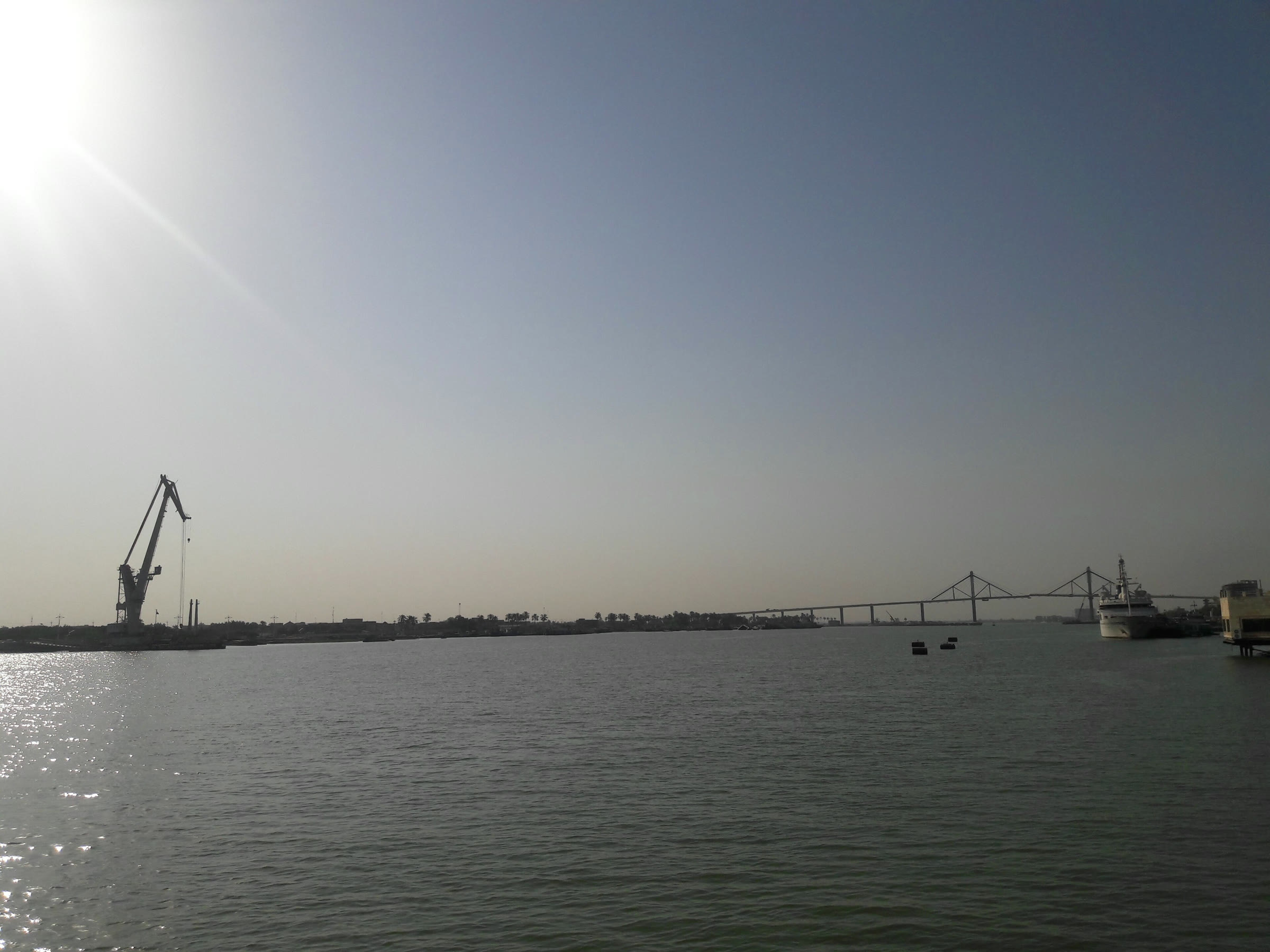
Iraqi Prime Minister Ali Zeydi announced that they would invite Turkish President Recep Tayyip Erdoğan to the groundbreaking ceremony for the Development Road Project after the general budget law is approved. The project, which includes a 200-kilometer road and railway line, aims to connect Iraq with Türkiye and Europe.


Iraqi Prime Minister Ali Zeydi announced that the government would invite Turkish President Recep Tayyip Erdoğan to the groundbreaking ceremony for the Development Road Project after the general budget law is approved.
In an exclusive interview with an Iraqi television channel, Zeydi said implementation work on the project would begin and a groundbreaking ceremony would be held after the budget is approved. He said the Iraqi government had completed its draft budget and was preparing to submit it to parliament shortly.
Implementation preparations for the Development Road
Zeydi said the Development Road Project would bring major economic, commercial and development benefits to Iraq, describing it as the country's "third river." The prime minister said the project's concrete results would become visible once work began on the ground.
The project includes road and railway lines extending from Iraq to Türkiye and the ports in Türkiye. The route is planned to run for approximately 1,200 kilometers through Iraqi territory and is intended to facilitate freight transport between the Gulf countries and Europe via Türkiye.
The governments of Iraq, Türkiye, Qatar and the United Arab Emirates signed a quadrilateral cooperation memorandum for the project in April 2024 and established a joint ministerial mechanism to oversee its implementation. Türkiye announced its support for the project in November 2024 and said it expected the project to be completed by 2030.
Zeydi and Türkiye's Minister of Transport and Infrastructure Abdulkadir Uraloğlu discussed the project's latest status on July 21, 2026. During the meeting, Zeydi called for a clear mechanism based on specific timetables for financing and implementation, while Uraloğlu said the two countries shared the view that basic infrastructure needed to be put in place.
Weapons to be brought under state control
Commenting on domestic affairs, Zeydi said the government had succeeded in keeping Iraq away from international isolation. He said such isolation would delay development and hinder efforts to meet the people's needs.
Zeydi said agreements had been reached with five groups on bringing weapons under state control. He announced that files concerning three of them had been completed, while procedures involving the other two were ongoing. He said talks with both groups were continuing and that he expected agreements to be reached in the coming period.
Zeydi said no weapons would remain outside state control after June 30, 2027. The Iraqi prime minister argued that the presence of weapons in the hands of non-state groups had previously been justified by the presence of foreign military forces in the country, and that this justification had disappeared after the foreign forces left.
A committee was formed on June 3, 2026, to bring weapons under state control in Iraq, and instructions were issued on August 11 to prepare a draft law aimed at regulating the issue within a constitutional framework.
U.S. forces and the Iranian border
Zeydi said Iraq no longer needed the presence of foreign military forces and that relations had shifted from a military framework to economic cooperation. He said U.S. forces had left Iraq and officially handed over their bases, adding that no U.S. military personnel currently serving in the country had a combat or advisory role.
Commenting on border crossings with Iran and air transport between the two countries, Zeydi said closing the Iraq-Iran border would not serve the interests of either country. He said such a step would economically encircle Iraq, not Iran.
Zeydi said Iran had conveyed various requests to Iraq, some confidential and some public, and that Iraq had also conveyed its own requests to the Iranian side. He said the Iraqi government wanted an exemption from navigation restrictions in the Strait of Hormuz because of the political, social and religious ties between the two countries.
The Iraqi government announced on October 21, 2026, that the Shayb border crossing on the Iranian border had been closed because it was not ready in technical, technological and development terms, while trade with Iran continued through other border crossings. The crossing, located in Maysan province, faces the Jazabeh crossing point in Iran's Khuzestan province.
Relations with the Gulf countries
Zeydi said Iraq was part of the Arab world and the Gulf region, adding that they attached importance to developing relations with Arab and Gulf countries. He said Iraq was willing to establish strong and good relations with these countries despite the security and political conditions in the region.
Source: Anadolu Ajansı
Have a story, event or announcement of your own?Send us your news on WhatsApp
Spotted an error in this story?Report it on WhatsApp
Share on all social platforms
Sponsored Ads
Featured Listings
Loading featured properties...
Stay Updated with The Turkiye Times
Subscribe to be informed about special news, developments and announcements. We will keep you informed.
By signing up, you agree to our Privacy Policy














